
Table of Contents
Why Cuenca’s Historic Center Deserves a Place on the World Stage
In 1999 UNESCO recognized Cuenca’s historic center as a World Heritage Site for its well-preserved urban fabric and rich layering of cultural influences. The cobblestone streets, tiled domes, carved stone façades and intimate courtyards tell a story of indigenous settlements, Spanish colonial planning and republican-era growth. This guide helps you read that story, pointing out the architectural highlights, practical visiting tips and little-known spots that bring Cuenca’s built heritage to life.
Understanding the Architectural Palette of Cuenca
Cuenca’s visual identity blends Spanish colonial geometry with local materials and later stylistic flourishes. Expect to see:
- Grid-pattern plazas and streets centered on the main square—Parque Calderón—reflecting colonial urban planning.
- Dominant ecclesiastical forms: twin bell towers and the soaring blue-tiled domes of the New Cathedral (Catedral de la Inmaculada Concepción).
- Decorative baroque and neoclassical façades on civic and religious buildings, often in carved stone or brightly painted stucco.
- Intimate interior patios, wooden balconies and tiled roofs that adapt Spanish forms to Andean climate and materials.
As you wander, notice how stonework and mortar vary from one block to another—each era left its mark. Conservation efforts have focused on restoring façades and protecting archaeological remains under modern plazas and museums.
Start Here: Parque Calderón and the Cathedral Complex
Every architectural tour of Cuenca should begin at Parque Calderón, the heart of the UNESCO district. The park’s shady trees and statues anchor views to the massive blue domes of the New Cathedral.
The New Cathedral is the city’s most photographed landmark—its cobalt-tiled domes visible across the rooftops. Built mainly in the late 19th and early 20th centuries, the cathedral marries European cathedral proportions with local stone. Nearby, the Old Cathedral offers a different experience: its quieter, more compact interior and adjacent spaces have been repurposed for museum exhibits and cultural events, so step inside if you want to compare styles and learn about religious patronage in Cuenca.
Tips for Visiting the Cathedral
- Morning light (8–11am) is ideal for exterior photos that show the domes against blue Andean skies.
- Respect service times—photography may be limited during mass.
- There may be a small fee to enter certain parts of the cathedral complex or to climb viewpoints; carry small change (USD).
A Walking Route to Read Cuenca’s Streets
Cuenca’s compact historic center is perfect for a half-day or full-day walking tour. Here’s a practical loop that balances major sights and quieter corners:
- Begin at Parque Calderón and admire the cathedral façades.
- Stroll down Calle Larga—Cuenca’s main pedestrian artery—lined with shops, cafes and 19th-century façades.
- Turn toward the Tomebamba River and walk the riverside promenades to see restored bridges and riverside gardens that reveal urban renewal projects.
- Cross one of the bridges and explore the San Sebastián neighborhood with its narrow streets and colonial houses.
- Visit Museo Pumapungo for archaeology and a glimpse of pre-Hispanic layers under the city.
- Finish at El Mirador de Turi (or another high viewpoint) for panoramic photos that show how the historic center nestles into the Andean valley.
This route can be shortened or lengthened depending on how many museums you enter and how much time you spend in cafes.
Museums That Explain Cuenca’s Layers
To understand the architecture in context, visit at least two museums:
- Museo Pumapungo—Located adjacent to archaeological remains, Pumapungo shows Inca terraces and foundations unearthed beneath later urbanization. The exhibits trace indigenous life, Spanish conquest and local craft traditions.
- Museo del Banco Central—Houses colonial-era paintings, textiles and pre-Columbian artifacts that illuminate the religious and social world behind many church commissions.
- Museo de las Conceptas—An atmospheric convent museum with gilded altarpieces and cloistered architecture; it offers a good comparison to parish churches.
Allow 1–2 hours per museum. Museums often close 1–2 hours for lunch—check opening times before you go.
Architectural Details to Look For
When you’re not in museums, make the architecture itself your exhibit. Look for:
- Stone lintels and carved façades around doors and windows—local sandstone and volcanic rock were often used.
- Wooden balconies—some are lavishly carved and have been restored with traditional techniques.
- Decorative tiles on domes and roofs—The New Cathedral’s blue domes are ceramic-clad, while other churches sport colorful tile patterns.
- Hidden patios—many older homes open onto central courtyards with fountains and gardens that temper the busy streets.
Take time to peer down alleys and into small plazas—Cuenca’s charm is often found in intimate spaces away from major thoroughfares.
Photography and Drone Notes
Cuenca is a photographer’s paradise—golden light at sunrise and sunset brings out the warm tones of stone and tile. A few practical points:
- Respect placards and signs that prohibit flash or tripods inside certain churches or museums.
- Many religious sites allow still photography but restrict video and commercial shoots; ask staff if in doubt.
- Drones are regulated across Ecuador; if you plan to fly a drone for aerial shots, check national and municipal rules and obtain permits in advance—unregulated drone use can lead to fines.
Seasonal Considerations: When to Visit
Cuenca sits at roughly 2,560 meters above sea level, giving it a temperate, spring-like climate year-round. The dry season (June–September) usually offers clearer skies and easier walking; the wet season (October–May) brings afternoon showers, which can deepen colors but make cobbles slippery.
Festival times are especially rewarding if you enjoy cultural immersion—Semana Santa and Corpus Christi feature processions that wind through the historic streets, accentuating the architecture with religious pageantry. Local foundation celebrations and artisan fairs also animate the plazas; plan ahead if you want to witness these events.
Practical Tips for a Comfortable Visit
- Altitude and layers: At over 2,500 m elevation, sunny afternoons can be warm but mornings and evenings cool—wear layers and bring sun protection.
- Currency and payments: Ecuador uses the US dollar. Small museums, taxis and market stalls may prefer cash, so carry small denominations.
- Language: Spanish is the dominant language. Learning a few phrases opens doors—many vendors and guides will speak conversational English in tourist areas, but not always.
- Footwear: Wear sturdy, comfortable shoes; historic streets are cobblestone and can be uneven or slippery when wet.
- Connectivity: Wi‑Fi is widespread in cafes and hotels, but a local SIM card gives better coverage for maps during walks.
Responsible Tourism: How to Respect a UNESCO Site
UNESCO designation brings attention—and responsibility. You can help preserve Cuenca’s heritage by following a few simple rules:
- Stay on marked paths and avoid entering private courtyards without permission.
- Do not touch fragile stonework, paintings or textiles; oils from hands damage surfaces over time.
- Support conservation by paying entrance fees at museums and donating to restoration projects if offered.
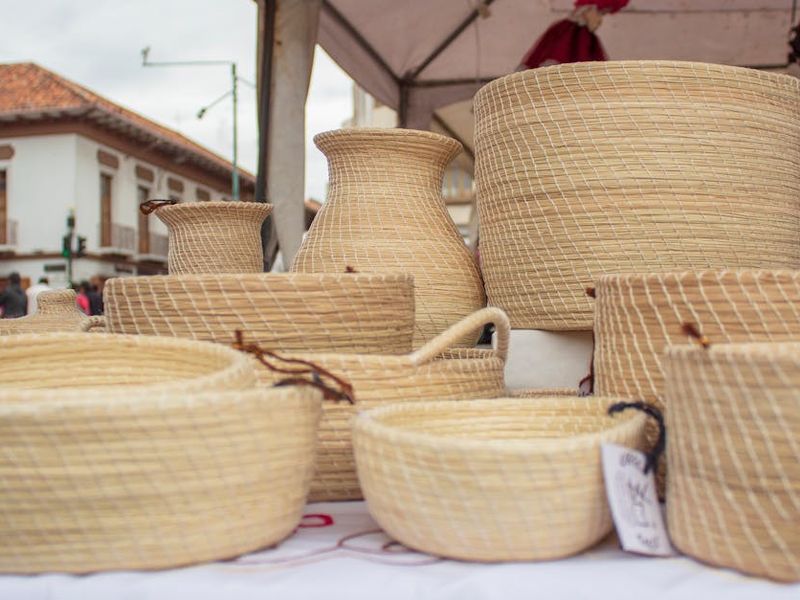
- Buy from local artisans and fair-trade workshops rather than unverified vendors—this supports traditional crafts like the weaving of toquilla straw hats and local textiles.
Eating and Drinking Near the Monuments
Food is part of the cultural experience. Around the historic center you’ll find traditional dishes—locro de papa (potato and cheese soup), hornado (slow-roasted pork) and regional desserts—alongside international cafes that cater to travelers. Try a small family-run comedor for authentic flavors or pick up empanadas and coffee from a corner stand if you want to keep exploring.
For a break with a view, choose a café with terrace seating facing the cathedral or along Calle Larga. Local coffee is excellent and many places serve single-origin Ecuadorian beans.
Getting Around and Accessibility
Cuenca’s historic center is compact and mostly walkable. For longer hops, local buses and taxis are inexpensive. A handful of steep streets and cobbles can challenge mobility-impaired visitors—if you need assistance, plan routes in advance and ask hotel staff for accessible options. The city has been gradually improving ramps and signage at major tourist points, but accessibility varies block by block.
Guided vs Self-Guided Tours: Which Is Best?
Both have advantages. Self-guided walks let you savor corners and linger in cafés, using guidebooks or apps to identify façades and styles. Guided tours—whether small-group walking tours or specialized architectural tours—add context, oral histories and access to sites that may be closed to the public otherwise. Consider a mix: a guided tour on your first day to orient yourself, then free exploration once you know the landmarks.
Souvenirs That Support Heritage
If you want to take a piece of Cuenca home, choose ethically made crafts: hand‑woven textiles, toquilla straw hats (locally woven), and small ceramics from reputable artisan cooperatives. Avoid buying pieces that might be made from protected materials or mass-produced copies—authentic crafts encourage local economies that invest in cultural conservation.
Final Notes: See, Listen and Let the City Reveal Itself
Cuenca’s UNESCO historic center rewards slow travel. Look up at domes and cornices, then down to patterned cobbles worn smooth by centuries of footsteps. Pop into side chapels, linger on river promenades, and let guides or museums explain the layers you see. With thoughtful planning and a bit of curiosity, you’ll leave with more than photographs—you’ll have a deeper sense of how a living city preserves its past while evolving for the future.
Whether you’re an architecture buff, a history lover or a curious traveler, the stones, domes and courtyards of Cuenca offer a rich itinerary worth savoring.