
Table of Contents
Why Cuenca Is the Best Place in the World for Dental Tourism
If you are considering dental implants, crowns, or veneers, Cuenca, Ecuador deserves a top spot on your list. The city combines world-class dentistry with dramatic cost savings—often 60–70% less than prices in the U.S. and Canada—without sacrificing quality. Dentists in Cuenca are trained at respected universities and many pursue advanced continuing education abroad. Clinics are modern and outfitted with cutting-edge technology, and the city itself offers a calm, colorful environment ideal for recovery and relaxation.
Why Timing Matters for a Dental Vacation
Choosing when to travel matters more than most people expect. Timing affects not only weather and sightseeing but also your healing experience, availability of appointments, and the overall cost of your trip. Some months make it easier to schedule multiple clinic visits with short wait times, others are better for quiet recovery in mild weather. This guide explains the best months to visit Cuenca for dental work and how to plan your itinerary around procedures like implants, crowns, and veneers.
Cuenca’s Climate and the Best Months for Recovery
Cuenca enjoys a temperate, highland climate often called “eternal spring.” That means mild days and cool nights year-round—great for comfort during recovery. However, the city does have wetter and drier stretches.
- June–September: These are generally the driest and sunniest months. Blue skies, comfortable temperatures, and lower humidity make this the most comfortable time for gentle outdoor recovery activities like strolling the historic center and sitting in parks.
- Shoulder seasons (September–November, March–May): These months can offer fewer tourists and lower travel costs. Expect some rain, but also many clear days. Good for flexible travelers who want quieter clinics and potentially better scheduling.
- Rainier months: The highland wet season tends to bring more frequent showers. If you’d rather avoid umbrella weather during recovery walks, aim for the drier months.
Bottom line: If you want the most pleasant outdoor recovery and the best sightseeing weather, plan for June–September. If you prefer lower tourism and are okay with occasional rain, the shoulder months can work well and may save on accommodations.
Scheduling Dental Procedures: How Long to Stay in Cuenca
Different procedures require different amounts of time. One of the benefits of Cuenca is short wait times; many clinics can schedule consults and procedures quickly, often within days of arrival. Below are realistic timelines to plan around:
- Single crowns or veneers: Typically 1–2 visits over 1–2 weeks. Many clinics offer same-week service with digital impressions and in-house labs that speed up production.
- Multiple crowns or veneer cases: Plan 2–3 weeks for consultations, impressions, temporary restorations, and final placement, with follow-up checks.
- Dental implants (traditional): Implant placement is usually a short surgical procedure. If bone grafting is required, add 3–6 months of healing before placing the final crown. Many patients choose to split the trip—surgery one visit and final restoration on a later visit.
- Immediate-load implants and All-on-4/All-on-X: Many modern clinics in Cuenca offer immediate provisional teeth the same day as implant placement or within a few days. Expect an initial stay of 1–2 weeks for surgery and temporary prostheses, with a follow-up visit months later for final prosthetics.
- Extractions and bone grafts: Add 1–2 weeks for soft tissue healing and follow-up checks; bone grafts extend timelines for final restorations.
When planning, ask clinics whether they offer in-house labs or digital milling (which can shorten timelines), and whether they can coordinate staged visits to minimize repeated long-distance travel.
Practical Tip: Ideal Trip Lengths by Procedure
- Crowns/veneers (single or small case): 7–14 days.
- Full smile makeovers (multiple crowns/veneers): 10–21 days.
- Implant surgery (with immediate provisionalization): 10–14 days plus a 3–6 month follow-up visit.
- Traditional staged implants: initial visit 3–7 days, return visit for final prosthesis several months later.
Always build extra days into your plan for follow-ups or unexpected delays. Cuenca’s compact layout and short appointment scheduling make adding buffer days easy and stress-free.
Combine Dental Care with a Low-Stress Vacation
Cuenca is a UNESCO World Heritage city whose colonial architecture, plazas, and quiet cafes create an ideal recovery backdrop. The light altitude (about 2,560 meters / 8,400 feet) means days are often sunny and cool—perfect for gentle walks that won’t stress surgical sites.
Recommended low-impact activities during dental recovery:
- Leisurely strolls around Parque Calderón and the historic center.
- Relaxing in neighborhood cafés and trying local cuisine (soft foods and soups are plentiful).
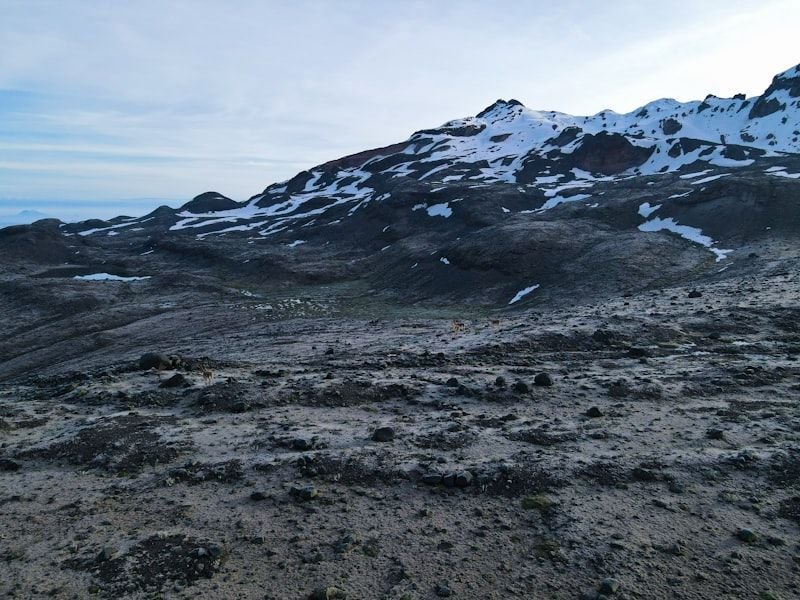
- Short scenic drives to Cajas National Park for photos from scenic overlooks—avoid strenuous hikes right after oral surgery.
- Visiting artisan markets and museums for culture-rich, low-effort outings.
Avoid strenuous hikes, high-intensity activities, or long international flights immediately after major oral surgery. Plan your most vigorous sightseeing for before the procedure or several weeks after, depending on your dentist’s advice.
How Cuenca Delivers Exceptional Value: Costs, Quality, and Personalized Care
Why is Cuenca considered the best for dental tourism? It’s the combination of savings and care. Many patients report paying 60–70% less for implants, crowns, and veneers than they would in the U.S. or Canada. But cost savings don’t come at the expense of quality. Key reasons to choose Cuenca include:
- Highly trained dentists: Dentists in Cuenca often hold advanced degrees and take continuing education courses internationally. Many have experience with implant systems used worldwide.
- Modern clinics and technology: Clinics frequently use digital imaging, CBCT (3D scans), CAD/CAM milling, and on-site labs—allowing for precise, fast restorations.
- Short wait times: Compared to overbooked North American practices, Cuenca clinics typically can schedule consultations and procedures quickly, sometimes within days.
- Personalized one-on-one care: Clinics in Cuenca often operate with smaller patient loads, enabling more time with the dentist and individualized treatment planning.
- Incredible overall value: With lower procedure costs, you can afford higher-end materials or additional cosmetic options while still spending far less than at home.
Choosing the Right Clinic: Questions to Ask Before You Book
Cuenca has many reputable practices. To find the right one, ask potential clinics the following:
- Are dentists board-certified and where did they receive their training?
- Do they use CBCT imaging and digital treatment planning?
- Is there an in-house lab or partnerships with trusted dental technicians?
- What is their experience with the specific implant system or ceramic material you prefer?
- Can they provide before-and-after photos and references from international patients?
- Do they offer English-speaking coordinators and virtual consultations prior to travel?
Many high-quality clinics in Cuenca offer free virtual consultations and detailed treatment plans with cost breakdowns—use these to compare before you book flights.
Logistics: Travel, Accommodation, and Recovery Essentials
Cuenca is served by Mariscal Lamar International Airport (CUE) with connections through Quito or Guayaquil. Many patients fly into these larger hubs and take a short domestic connection. Travel planning tips:
- Book flights with arrival flexibility: Allow a buffer day for any travel delays so you’re rested for your first consultation.
- Stay near the historic center: Most clinics are within easy reach of downtown accommodations, cafes, and pharmacies—very convenient for recovery days.
- Watch the altitude: Cuenca is high, and some patients feel mild breathlessness at first. Hydrate, take it easy on the first day, and avoid heavy exertion after oral surgery.
- Currency and pharmacies: Ecuador uses the U.S. dollar, making budgeting straightforward. Modern pharmacies in Cuenca easily fill prescriptions written by local dentists.
- Language and coordination: Many clinics provide English-speaking staff and patient coordinators who manage translation, transport, and aftercare instructions.
Safety, Follow-up Care, and Travel Insurance
Cuenca is considered safe for international patients, and dental clinics maintain high standards of sterilization and infection control. Still, good planning helps avoid surprises:
- Choose clinics that provide a written aftercare plan and emergency contact numbers.
- Confirm what follow-up visits are included and how long the clinic will support you after final placement.
- Consider travel insurance that covers medical emergencies and trip interruptions; some plans also provide limited coverage for elective medical procedures if complications occur abroad.
If your treatment plan requires staged visits, organize your schedule so you can return for follow-ups or plan for local follow-up care with your home dentist if clinically appropriate.
Sample Itineraries for Different Procedures
Short Trip — Crowns or Veneers (7–10 days)
Day 1: Arrival and rest. Day 2: Initial consult and imaging. Day 3: Preparation and impressions; temporary restorations placed. Days 4–7: Light recovery and sightseeing. Day 8: Final placement and bite check. Day 9: Follow-up; departure on Day 10.
Moderate Trip — Implant Placement with Immediate Provisionals (10–14 days)
Day 1: Arrival. Day 2: Consult and CBCT. Day 3: Surgery (implant placement) and provisional prosthesis. Days 4–10: Rest, gentle activities, and a follow-up visit to check healing. Days 11–14: Final adjustments or minor prosthetic refinements; depart.
Comprehensive Trip — Full-Mouth Rehab (2–3 weeks)
Day 1–2: Arrival and full evaluation. Day 3–7: Preparations, extractions, or surgical work as needed. Day 8–14: Provisional restorations, adjustments, and recovery in a calm setting. Day 15–21: Final prosthetics, polishing, and aftercare instruction.
Final Thoughts: Cuenca’s Winning Combination for Dental Tourism
Choosing Cuenca for dental tourism gives you exceptional value—world-class trained dentists, state-of-the-art clinics, personalized one-on-one care, and savings of 60–70% on implants, crowns, and veneers compared to North America. The city’s mild climate, accessible cultural attractions, and peaceful recovery environment make it uniquely suited to a dental vacation. For the best overall experience, plan your trip during the drier months (June–September) or during shoulder seasons if you prefer quieter travel and potentially lower prices.
Whether you need a single crown or a full-arch, Cuenca offers an unbeatable combination of quality, convenience, and cost savings—all wrapped in a beautiful, historic setting perfect for rest and gentle exploration. Book a virtual consult with a trusted clinic, choose dates that fit your recovery timeline, and get ready to return home with a healthier smile and unforgettable memories from one of Ecuador’s most charming cities.