
Table of Contents
Why Cuenca is an ideal place to go green
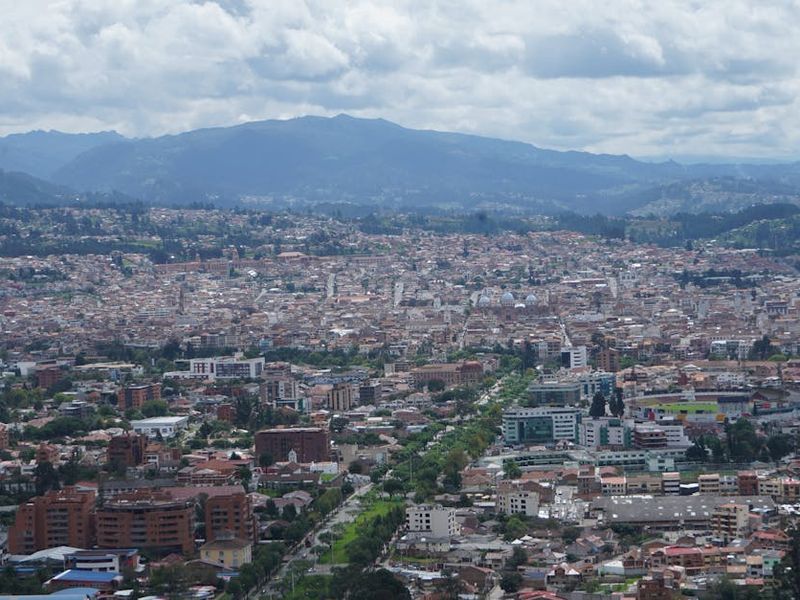
Cuenca’s compact historic center, temperate mountain climate, and strong local food traditions make it an excellent city for living more sustainably. The walkable streets around Parque Calderón, the riverside promenades along the Tomebamba and Yanuncay, and easy access to highland ecosystems like El Cajas National Park give expats plenty of low-impact lifestyle options. Rather than adopting “green” practices that feel imported or expensive, the smartest sustainable choices in Cuenca build on what’s already here: lively mercados, neighborhood networks, and an everyday culture of fresh, seasonal food.
Getting around: low-carbon transport options
One of the easiest ways to lower your footprint in Cuenca is to change how you move. The historic city center is compact and very walkable — many errands can be done on foot. For longer trips, the city has an extensive, inexpensive bus system that reaches most neighborhoods. Taxis are plentiful and cheap by North American standards; consider sharing rides with neighbors for errands.
For people who want more independence without driving, cycling is becoming more popular. Bring or buy a sturdy city bike and secure a good lock — you’ll find bike lanes in parts of the city and pleasant rides along the rivers. Many expats also use electric scooters or e-bikes for short commutes, but remember to follow local traffic rules and park responsibly.
Eat local and seasonal: how mercados and tiendas help
Shopping at local mercados is one of the most powerful sustainability tips for expats. Cuenca’s mercados and neighborhood vendors sell a huge variety of fresh produce — tubers, Andean greens, fruit, dairy, and artisanal cheeses — often sold with little or no plastic packaging. Look for neighborhood mercados and weekend ferias where small farmers and growers sell directly; you’ll pay less, get better flavor, and avoid the environmental cost of imported supermarket produce.
Practical tips when shopping: bring a set of reusable produce bags and a mesh tote for bulk items, keep a cotton string bag or foldable tote in your backpack, and ask vendors to skip plastic when possible. Try shopping weekly rather than daily to reduce impulsive purchases and food waste.
Reducing single-use plastic and packaging
Cuenca, like many cities, still uses single-use plastic in stores and restaurants — but small behavior changes go a long way. Carry a reusable water bottle and a lightweight cutlery set for takeout. Many neighborhoods have small shops that will refill your glass or stainless-steel containers with cooking oil, grains, or legumes. For purified drinking water, you’ll find many refill stations that sell 5-gallon garrafones; buying fewer disposables and refilling a quality container is far greener than single-use bottles.
Also, be mindful of items that come wrapped in multiple layers. Choose unpackaged bread and produce when possible, buy cheese from a quesero who wraps it in paper instead of plastic, and favor products in glass or cardboard over plastic when available.
Manage waste with local systems and community solutions
Formal recycling infrastructure varies by neighborhood. A practical first step is to separate your waste at home into organics, recyclables (paper, cardboard, plastics, glass, metal), and residual trash. Many expats find that local recicladores — informal waste pickers who collect bottles, cardboard and metal — provide an easy way to divert recyclables from landfills. Ask your building manager or neighbors whether a regular reciclador visits your street, or post in local Facebook groups to locate collection points and centros de acopio.
If formal collection is limited where you live, consider partnering with neighbors to arrange bulk drop-offs to a recycling center. Some private companies and NGOs also offer pick-up services for a fee; these can be worth it if you generate a lot of recyclables or want a more organized solution.
Composting in Cuenca apartments: small-space solutions
Composting food scraps might sound tricky for apartment dwellers, but there are practical options that work well in Cuenca’s mild climate. Vermicomposting (worm composting) is compact, low-odor, and highly effective. A small worm bin fits under a sink or on a balcony and turns vegetable trimmings and non-citrus fruit peels into rich compost for potted plants.
If worms aren’t your thing, consider bokashi, an anaerobic fermentation method that suits indoor spaces and handles a wider range of food waste, including cooked foods. Some expats use a hybrid approach: bokashi for kitchen waste, then finish the material in a community garden or backyard compost pile. Check local gardening shops or expat groups to find supplies and instructions in Spanish or English.
Water: drink smart and conserve
Tap water in Cuenca is treated and generally considered safe to drink in many parts of the city, though some expats prefer to use filters or buy purified water depending on their building’s plumbing. The easiest sustainable habit is to carry a reusable water bottle and refill at home or at a refill station. Avoid buying single-use plastic bottles for daily use.
To reduce household water use, install simple faucet aerators, use low-flow showerheads if your building allows, and collect water when rinsing produce to water plants. In homes with outdoor space, set up a rainwater barrel where permitted — even modest amounts can help irrigate balcony gardens and reduce reliance on municipal supplies.
Energy-saving tips tailored to Cuenca’s climate
Cuenca’s highland climate usually means you won’t need heavy heating, but nights can be cool. Simple steps save energy and money: swap to LED lighting, unplug chargers when not in use, and use thermal curtains to keep warmth in at night. For cooking, try using pressure cookers and efficient stovetops to reduce gas or electricity use.
If you own a house or long-term rental, consider investing in solar panels for hot water or electricity if your roof and budget allow. Solar companies operate in Ecuador and some neighborhoods have homeowners exploring rooftop systems — just check local regulations and condo rules before installing anything.
Green housing choices: what to look for when renting
When searching for an apartment, prioritize features that support a low-impact lifestyle: good natural light for plants, secure storage for reusable goods and recycling bins, a balcony or small outdoor space for container gardening, and proximity to mercados and bus routes. Thermal insulation and double-pane windows are nice-to-have for reducing heating needs.
Many expats find second-floor or higher apartments near the Centro histórico provide the best walkability, while neighborhoods farther out offer more space for gardens. Balance your desire for green features with budget and access to services.
Buy used, repair, and support local artisans
Cuenca’s vibrant artisan markets and active expat resale scene make it easy to find second-hand furniture, appliances, and household goods. Join local Facebook groups and check community boards for used items — buying used saves resources and strain on your wallet. When something breaks, try to repair it locally; Cuenca has skilled carpenters, seamstresses, and appliance repairers who can extend the life of items.
When buying new, favor locally made products. Supporting Cuenca’s artisans and small producers reduces the carbon cost of long-distance shipping and strengthens the local economy. Browse markets and galleries around Parque Calderón and in neighborhood plazas for textiles, ceramics, and woodwork crafted by local hands.
Grow something — even in a small space
Container gardening thrives in Cuenca’s climate. Lettuce, spinach, herbs (cilantro, parsley, mint), tomatoes in sunny spots, and a few native Andean flowers will do well on a balcony or window ledge. Use lightweight potting mixes, and re-use containers when you can (washed yogurt tubs make good seedling pots).
If you have a communal garden or access to a small yard, native shrubs and pollinator-friendly plants attract bees and butterflies and reduce watering needs. Community gardening projects are also a great way to meet neighbors and learn Spanish while exchanging seeds and tips.
Get involved: community groups and volunteer options
Joining local green initiatives amplifies your impact and helps you meet like-minded people. Look for neighborhood cleanup events along the rivers, tree-planting projects, and community gardens. Expats often partner with Ecuadorian NGOs and municipal programs for riverbank restoration and environmental education — volunteering is a practical way to give back and learn about local environmental challenges and solutions.
Online groups like local Facebook communities, WhatsApp neighborhood chats, and expat forums are excellent places to learn about upcoming events, find swap meets, or connect with people offering compost or recycling advice.
Practical checklist for your first month
- Visit a local mercado and start using reusable produce bags.
- Set up basic waste separation at home (organics, recyclables, residual).
- Buy a refillable water container and locate a nearby refill station.
- Explore walking routes and identify bus routes for regular errands.
- Find a local reciclador or centro de acopio for recyclables.
- Join one expat or neighborhood group focused on sustainability.
- Start one small-growing project: herbs on a windowsill or a worm bin.
Common barriers and how to handle them
Not every neighborhood has the same services, and language can be a barrier. Use these workarounds: team up with neighbors to arrange recycling pick-ups, learn key Spanish phrases for shopping and gardening, and rely on bilingual expat groups for recommendations. If hassle or cost prevents an ideal solution (private recycling collection or rooftop panels), start with small, high-impact habits — reducing plastic use, buying local, and composting — which often deliver the biggest environmental return for the least effort.
Final thoughts: small steps, lasting impact
Living sustainably in Cuenca isn’t about perfection; it’s about aligning everyday choices with local systems and traditions. Walk the streets, shop the mercados, talk to your neighbors, and try one new green habit each month. Over time, these small changes — fewer plastic bags, a worm bin in the kitchen, choosing a second-hand wardrobe — add up to a lifestyle that’s lighter on the planet and richer in local connection. Cuenca’s natural beauty and community resources make it a welcoming place to develop a practical, affordable, and joyful sustainable life.
Adam Elliot Altholtz serves as the Administrator & Patient Coordinator of the “Smilehealth Ecuador Dental Clinic“, along with his fellow Expats’ beloved ‘Dr. No Pain‘, right here in Cuenca, Ecuador, and for purposes of discussing all your Dental needs and questions, is available virtually 24/7 on all 365 days of the year, including holidays. Adam proudly responds to ALL Expat patients from at least 7:00am to 9:00pm Ecuador time, again every single day of the year (and once more even on holidays), when you write to him by email at info@smilehealthecuador.com and also by inquiry submitted on the Dental Clinic’s fully detailed website of www.smilehealthecuador.com for you to visit any time, by day or night. Plus, you can reach Adam directly by WhatsApp at +593 98 392 9606 -or by his US phone number of 1‐(941)‐227‐0114, and the Dental Clinic’s Ecuador phone number for local Expats residing in Cuenca is 07‐410‐8745. ALWAYS, you will receive your full Dental Service in English (NEVER in Spanish), per you as an Expat either living in or desiring to visit Cuenca by your Dental Vacation, plus also to enjoy all of Ecuador’s wonders that are just waiting for you to come arouse and delight your senses.