
Table of Contents
Why Cuenca is a great place to adopt a greener lifestyle
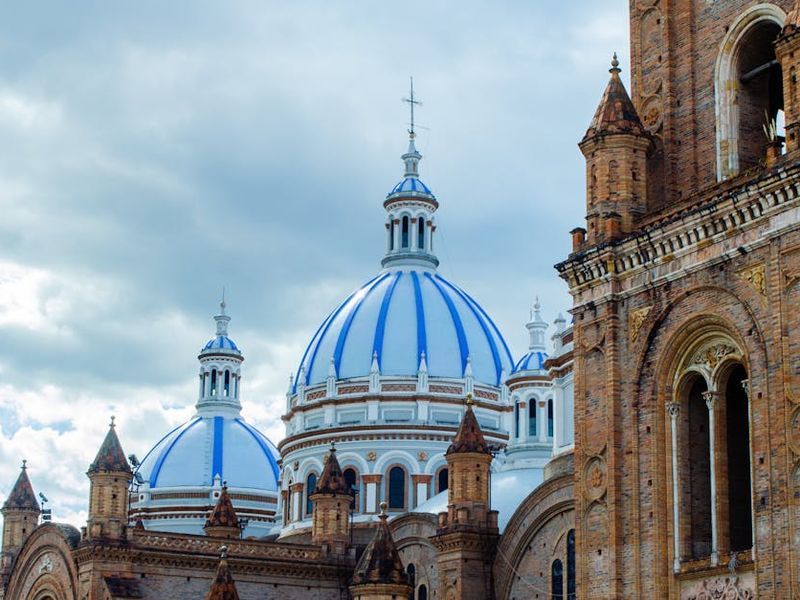
Cuenca’s compact historic center, mild Andean climate and strong community life make it one of Ecuador’s most practical cities for sustainable living. The UNESCO-designated old town invites walking, neighborhood markets supply fresh produce daily, and an engaged mix of locals and international residents opens the door to collaborative environmental projects. If you’re an expat looking to shrink your footprint while enjoying a comfortable life abroad, Cuenca offers tangible opportunities—if you know where to look.
Start with the basics: waste reduction and recycling
Reducing the amount you throw away is the quickest route to living greener. In Cuenca, that means rethinking single-use plastics, shopping habits, and what you do with organic waste.
Smart shopping at mercados and tiendas
Frequenting local markets and small tiendas helps you avoid over-packaged supermarket items. Look for vendors who sell produce by weight and will happily pack items in paper or let you bring your own cloth bag. Many central markets still sell in the old-school, waste-minimizing way: loose fruits, bulk grains and cheeses sold to order.
Recycling: what to expect
Formal curbside recycling is still developing in many Ecuadorian cities, so expect a mix of municipal services, private cooperatives and informal collectors who buy glass, cardboard and some plastics. Ask neighbors or building managers about pick-up schedules—or connect with local recycling cooperatives who will collect sorted recyclables for a small fee or donation. Learn the Spanish terms: reciclaje (recycling), envases (containers), cartón (cardboard) and vidrio (glass).
Composting even in an apartment
Composting is one of the most impactful actions you can take. If you have a yard, a tumbler or simple pile works well. Apartment dwellers can use small worm bins (vermicomposting), bokashi systems or sealed countertop composters to avoid odors. Basic tips: avoid meat and dairy in home compost, balance “green” (vegetable scraps, coffee grounds) with “brown” (dry leaves, shredded paper), and keep the pile aerated. Use finished compost for container plants or share with neighbors and community gardens.
Water and energy: practical savings for Cuenca’s climate
At about 2,500–2,600 meters above sea level, Cuenca has cool nights and warm days. You’ll use some hot water but likely less heating than in colder climates. Still, small adjustments save money and resources.
Water-wise living
Tap water in Cuenca is generally treated and safe in most parts of the city, though many expats prefer to filter it at home for taste and peace of mind. Simple measures to conserve water include repairing drips, installing low-flow showerheads, and reusing rinse water (greywater) to irrigate non-edible plants. If you install any rainwater catchment, check building regulations or HOA rules first—many multi-unit buildings have restrictions.
Lower your electricity use
LED lighting, energy-efficient appliances and mindful habits (unplug chargers, turn off lights) are easy wins. Cuenca receives plenty of sunlight year-round being near the equator, so solar options—especially for water heating—are viable. Start with small, off-grid solar kits for lights and phone charging if you rent; for homeowners, investigate larger rooftop systems and talk with local installers about how to connect to the grid and incentives, if any.
Greener transport: how to move around sustainably
Cuenca’s compact layout favors walking, cycling and public transit—good news for reducing transport emissions and discovering the city.
Walk or bike whenever possible
Many of Cuenca’s neighborhoods are pedestrian-friendly. Use the city’s historic center and nearby barrios on foot to run errands and enjoy plazas, cafés and artisan shops. If you prefer cycling, consider a durable commuter bike or an e-bike for hills and longer commutes. Wear reflective clothing at night and choose routes with lighter traffic; learn to navigate cobblestone streets—they’re charming but can be bumpy!
Take public transit and shared options
Cuenca has a modern tram system (Tranvía) that links key parts of the city and complements an extensive bus network. Using public transit reduces your carbon footprint and often saves money compared to maintaining a car. For occasional trips, taxis and ride-hailing services are widely available—try to share rides or combine errands to lower overall fuel use.
Eat seasonally and support local producers
Food choices have a big environmental and cultural impact. Cuenca’s proximity to highland farms and mountain valleys means a steady supply of fresh, local produce when you eat seasonally.
Shop at farmers’ markets and meet the producer
Seek out weekly markets and small-scale vendors where you can ask how food is grown. Buying directly from farmers supports sustainable agriculture, reduces transport miles, and often gives you tastier produce. Bring a reusable shopping bag and glass jars for bulk goods.
Eat more plants, less imported meat
Shifting toward plant-forward meals reduces your environmental footprint. Try Andean staples—beans, corn, quinoa, and tubers—prepared with local vegetables and herbs. Not only is this budget-friendly, it also deepens your experience of regional cuisine.
Housing choices: how to rent or buy sustainably
Whether you rent an apartment in the Centro Histórico or buy a home in suburban Cuenca, look for features that lower environmental impact and operating costs.
What to look for in a sustainable home
- Good insulation and double-glazed windows to cut drafts and reduce need for heat.
- Efficient water heaters or solar water systems.
- South-facing windows for passive solar gain (note: in equatorial climates orientation matters differently; focus on sunlight access and shading).
- Space for composting or a small garden if you plan to grow herbs or vegetables.
- Proximity to public transit and amenities to reduce driving.
If you plan to modify a rental property—installing low-flow fixtures or adding insulation—discuss these changes with the landlord and offer to cover costs or restore the property when you leave. Many improvements increase property value and appeal to future tenants.
Community engagement and volunteering
Cuenca’s environmental scene includes neighborhood cleanups, tree plantings and educational workshops run by civic groups, universities and NGOs. Joining these activities is a great way to meet locals and other expats while making a measurable impact.
Where to plug in
Look for opportunities through community centers, local bulletin boards, Facebook groups for expats and neighborhood WhatsApp groups. Universities in Cuenca often run sustainability initiatives and welcome volunteers. Participating in a community garden or helping organize a waste-reduction campaign builds goodwill and accelerates change at the neighborhood level.
Practical shopping and consumption habits
Sustainable living isn’t only about big systems—daily purchasing choices add up fast. Here are realistic ways to consume less and better in Cuenca.
Buy used, mend, and swap
Secondhand furniture, clothing and household items are widely available and often in good condition. Instead of buying new, check thrift shops, flea markets and community swap events. Learn basic repairs—mending clothes, reupholstering a chair and repairing appliances save resources and money.
Choose durable over trendy
When you do buy new, prioritize quality and repairability. Local artisans produce durable goods like leather sandals, woven textiles and handcrafted ceramics; supporting them keeps money in the community and lowers the environmental cost of mass-produced imports.
Health, safety and cultural considerations
Making sustainable choices in Cuenca is straightforward, but keep local context in mind to be effective and respectful.
Respect local norms
Ask neighbors about garbage separation and recycling rules for your building—what works in one barrio may not in another. Engage Spanish when possible; environmental vocabulary and polite requests open doors and build local support for greener habits.
Balance health and eco-choices
While avoiding plastic is a good habit, prioritize safe drinking water and food hygiene. If you have health concerns, choose filtered water and packaged items where appropriate—sustainability should not compromise health, especially for those new to high-altitude living.
Getting started: a 30-day green plan for new expats
To make change manageable, try this month-by-month mini-plan to adopt greener ways in Cuenca.
- Week 1: Audit your waste and energy use. Note habits and identify two easy wins (e.g., reusable bags, LED bulbs).
- Week 2: Visit a local market, buy bulk where possible, and start a simple compost system (counter or balcony bin).
- Week 3: Try walking or using the Tranvía for errands; test an e-bike or bike route for commuting.
- Week 4: Connect with a community group or attend a clean-up. Explore simple solar options or energy efficiency upgrades for your home.
Final thoughts: small steps, big impact
Living sustainably in Cuenca doesn’t require perfection—just consistent, practical choices that align with local realities. From embracing the city’s markets and tram system to composting kitchen scraps and supporting local artisans, each action contributes to cleaner air, healthier neighborhoods and stronger community ties. As an expat, you bring fresh ideas and can also learn from long-standing local practices. Combining both creates a richer, more sustainable life in one of Ecuador’s most livable cities.
Start with one change today—bring a reusable bag to the mercado or swap one meat meal for a plant-based option—and watch how those small steps build a greener life in Cuenca.