
Table of Contents
Why neighborhood choice matters in Cuenca
Moving to Cuenca is exciting: UNESCO-designated architecture, tree-lined rivers, and a comfortable Andean climate. But where you live shapes your daily life—from how you commute to which cafés you favor, how loud the nightlife is, and how close you are to doctors and markets. This guide breaks down the most popular areas with clear pros and cons, practical costs, and local tips so you can pick the neighborhood that fits your lifestyle.
Quick orientation: Cuenca essentials for newcomers
Cuenca sits at roughly 2,500–2,600 meters elevation, so expect mild, spring-like weather year-round with cool nights. The city’s historic center centers around Parque Calderón and the Tomebamba River, with several bridges and riverside promenades that make walking enjoyable. Public transport is inexpensive and plentiful; taxis are affordable and plentiful; many expats rely on walking and short taxi trips rather than owning a car.
Healthcare in Cuenca is good by regional standards. Major hospitals and private clinics serve the city, medical tourism exists, and many expats report reliable care. The Universidad de Cuenca and Universidad del Azuay enrich cultural life and create student-focused districts that feel lively during the academic year.
How I evaluated neighborhoods (and what matters most)
When recommending neighborhoods to expats, consider proximity to these essentials: the historic center, healthcare facilities, supermarkets and weekly markets, green space, public transport options, and overall safety. Budget, lifestyle (party vs. quiet), and mobility (walking vs. driving) are personal but also decisive. Below you’ll find neighborhood profiles tailored to different priorities.
1. Historic Center (Centro Histórico): For those who want to be at the heart
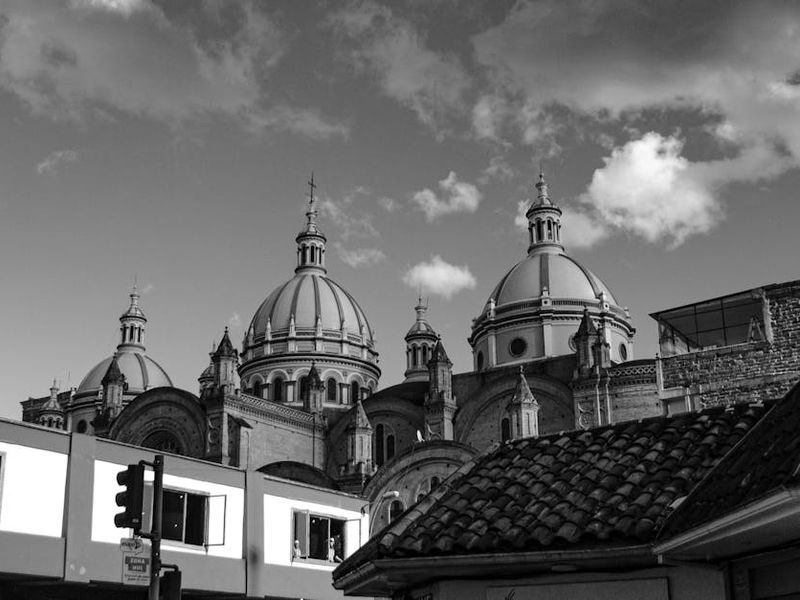
The Centro Histórico is Cuenca’s crown jewel: colonial plazas, ornate cathedrals, cobblestone streets, and a lively mix of cafes, artisan shops, and municipal services. Many expats favor living here for walkability and the evening ambiance—church bells, sunset views, and immediate access to cultural events.
Pros: Every amenity within walking distance, excellent public transit, stunning architecture, and a dense expat community with plenty of language-exchange opportunities. For short stays or those prioritizing lifestyle over space, Centro is ideal.
Cons: Narrow streets, parking is scarce, and accommodations tend to be smaller or pricier for modern finishes. Noise can be an issue near busy plazas or weekend nightlife. Buildings in the older parts may lack elevators.
Practical tip: If you want the Centro vibe but need more space, look for apartments on the edges of the historic area—still walkable but with better parking and newer construction.
2. San Sebastián and nearby barrios: Cozy, local, and charming
San Sebastián sits northwest of the main square and is a long-standing neighborhood popular with both locals and expats who appreciate traditional markets, bakeries, and quieter streets. It retains a village-like feel in parts while still offering easy access to the center.
Pros: More affordable rents compared with prime Centro addresses, strong neighborhood identity, local bakeries and mercados, and many houses with small courtyards. Great choice for those wanting to immerse in local life without sacrificing convenience.
Cons: Some areas are hillier and walking can be steeper. Public transport is available but less frequent than in the very center. If you need frequent hospital access at odd hours, verify proximity to the clinic you prefer.
3. El Batán and north-central residential areas: Family-friendly and leafy
El Batán and adjoining residential neighborhoods north of the Tomebamba are favored by families and retirees. You’ll find parks, wider streets, and a mix of stand-alone homes and mid-rise apartment buildings. Many schools and playgrounds are nearby.
Pros: More green space, calmer streets, and often newer buildings with underground parking and elevators. Ideal for those with pets or who want a quieter environment without being too far from central attractions.
Cons: A bit farther from the historic center, so expect 10–20 minute taxi rides to the main plaza. Nightlife and tourist services are limited here—this is a residential retreat rather than the social hub.
4. Riverside neighborhoods (Tomebamba corridors): Scenic walks and cafes
The Tomebamba River divides the city and provides pleasant riverside promenades, bridges, and cafes on both banks. Small neighborhoods along these stretches combine attractive views with easy access to the heart of town.
Pros: Scenic walks and morning runs along the malecón (riverside path), lots of boutique cafés, and frequent cultural events by the riverbanks. Apartments often have balconies facing the water—great for sunset photos.
Cons: Popular riverside streets can be busier with tourists and weekend crowds. If you’re sensitive to foot traffic or want absolute quiet, consider streets one block back from the river.
5. University districts: Energetic and affordable
Areas close to the Universidad de Cuenca and other institutions feel youthful and lively. Expect cafes, bookstores, affordable eateries, and small grocery shops. Rents here can be lower, particularly for smaller units suitable for students or single expats.
Pros: Budget-friendly, vibrant cultural calendar, and easy access to public transport. Good for short-term rentals and for expats who enjoy being around university energy.
Cons: Noise during term time, occasional late-night activity, and more seasonal rental market because students rent by the semester.
6. Suburban developments and gated communities: Modern convenience and security
If you prefer modern finishes, gated security, and community amenities like gyms or swimming pools, look to newer developments outside the immediate downtown core. These can include gated housing complexes and condominium towers with 24/7 security.
Pros: Secure compounds, private parking, modern appliances, and landscaped communal areas. Good for families or anyone who values peace of mind about safety and property management.
Cons: Longer commutes to the center during peak hours and sometimes a sense of being isolated from local culture. If you rely on public transit, verify bus routes or plan on occasional taxi use.
Budget expectations and practical housing tips
Rents in Cuenca vary by neighborhood, building age, and included utilities. As a rough guide, expect to pay roughly these monthly ranges: a small studio or one-bedroom in or near Centro may start in the low hundreds and go up for renovated units; comfortable one-bedrooms in desirable neighborhoods often range from mid-hundreds to around $700; larger two- and three-bedroom apartments or houses typically start in the high hundreds to over $1,000 for upscale options.
Utilities are generally reasonable but can vary. Internet service via fiber is available in many areas—ask about speeds and provider options before signing. Many rentals include basic gas and water but not electric or internet; always clarify in writing which utilities are included.
Practical tip: Visit multiple apartments at different times of day. Check cell reception in the unit, ask neighbors about noise, and verify elevator access if mobility is a concern. When negotiating, bilingual owners or managers are common; offering to pay a few months upfront can sometimes secure a better rate.
Safety, healthcare access, and daily logistics
Cuenca is generally considered one of Ecuador’s safer large cities, but petty crime like pickpocketing exists—especially in crowded tourist areas. Standard precautions apply: use a money belt in busy areas, avoid showing large amounts of cash, and install simple deadbolts or use doormen in your building.
For healthcare, identify the hospitals and private clinics closest to prospective neighborhoods—Hospital Vicente Corral Moscoso is one of the city’s main public hospitals, and there are multiple private clinics with English-speaking staff. If regular medical care is a priority, pick a neighborhood with easy taxi access or walking distance to your preferred clinic.
Public transport is affordable and covers most neighborhoods. If you plan to use buses, learn the main routes and carry change. Taxis are inexpensive for short trips; many expats use them frequently rather than owning a car. If you plan to drive, consider traffic patterns and parking availability when selecting a neighborhood.
Lifestyle match: which neighborhood fits you?
Match priorities to neighborhoods: If you crave culture, nightlife, and walkability, Centro Histórico is unmatched. If you want local flavor with bakeries and markets nearby, San Sebastián fits. Families and those seeking calmer days tend toward El Batán and north-central residential areas. For scenic daily walks and a slower pace with coffeehouses, riverside neighborhoods deliver. Budget-conscious or academically minded expats will appreciate the university districts, and those focused on modern amenities and security often choose gated developments.
Moving in: paperwork, renovations, and local contractors
Many rental contracts are month-to-month or six- to twelve-month agreements. Landlords often request references and a deposit. If you plan renovations or want to modify a space, hire reputable local contractors and get written estimates. Expat groups and local Facebook forums are a good source of contractor recommendations and reviews.
Practical tip: Before signing, ask about pest control history, plumbing age, and whether the building has good insulation for chilly nights. If a unit lacks heating, a few small electric heaters suffice for most months.
Getting social: where to meet other expats
Expat meetups, language exchanges, and cultural events are common in Cuenca. Cafés in and around the historic center and riverside often host informal groups. Look for local Facebook groups or community bulletin boards at language schools and cultural centers. Volunteering and joining fitness classes are great ways to make local friends and integrate.
Final checklist for choosing your Cuenca neighborhood
- Commute and transport: How will you get to work, medical appointments, or classes?
- Noise and nightlife: Do you prefer lively evenings or quiet nights?
- Amenities: Are supermarkets, pharmacies, and parks within easy reach?
- Healthcare access: Which clinics or hospitals should be close by?
- Budget: Does the rent match your expectations for space and quality?
- Safety: Does the building or street feel secure and well-lit?
- Community: Are there neighbors and local groups you’d like to be near?
Conclusion: Narrow down, then explore in person
Cuenca offers a variety of neighborhoods to suit different expat priorities—from the hustle and history of the Centro Histórico to the leafy calm of residential El Batán and the scenic life along the Tomebamba. Use this guide as a starting point, create your shortlist based on the checklist above, and spend several days in each area before deciding. Neighborhood personality matters in a city as walkable and community-focused as Cuenca, and a little on-the-ground exploration will pay off with a home that fits your new life in the Andes.
Ready to start apartment hunting? Pack comfortable shoes for cobblestones, a notepad for questions, and a camera—Cuenca’s neighborhoods are full of character and likely to charm you at every corner.