
Table of Contents
Why the Southern Highlands Deserve a Spot on Your Ecuador Map
The southern highlands of Ecuador blend colonial architecture, vibrant artisanal traditions, and cloud-forest valleys that draw long-term travelers and day-trippers alike. From UNESCO-protected Cuenca with its stone cathedrals and lively markets, to Loja’s reputation as a cultural and musical center, then down to the mellow, sun-kissed valley of Vilcabamba — this triangle offers varied climates, foods and outdoor adventures within a few hours’ travel.
Quick Essentials: Altitude, Currency and Best Time to Go
Practical facts to plan around:
- Altitude: Cuenca sits around 2,560 meters (8,400 ft), Loja is slightly lower at roughly 2,060 meters (6,760 ft), and Vilcabamba drops to roughly 1,500–1,700 meters (4,900–5,600 ft). Acclimatize gradually if you’re coming from sea level.
- Currency: Ecuador uses the US dollar—no need to exchange to a local currency, but carry small bills for markets and taxis.
- Best time to visit: The dry months (roughly June–September and often December–February) generally bring more sun, but the highlands are mild year-round. Expect afternoon showers in the wetter season.
Getting There and Getting Around
Cuenca is a major hub in southern Ecuador. Domestic flights link Cuenca with Quito and Guayaquil, while long-distance buses and shuttle services connect to other cities like Loja and Machala. If you prefer scenic ground travel, buses between Cuenca and Loja typically take 3–4 hours depending on stops and traffic; Vilcabamba is a shorter ride from Loja (about 45–60 minutes) or a 3–4 hour trip from Cuenca by bus or private transfer.
Within towns, taxis are inexpensive—use the meter or agree a price up front. Ride-hailing apps work sporadically in the south, so plan accordingly. Renting a car gives maximum flexibility for exploring hidden valleys and national parks but be prepared for narrow mountain roads and limited signage outside urban centers.
Cuenca: A Deep Dive into Colonial Charm and Modern Life
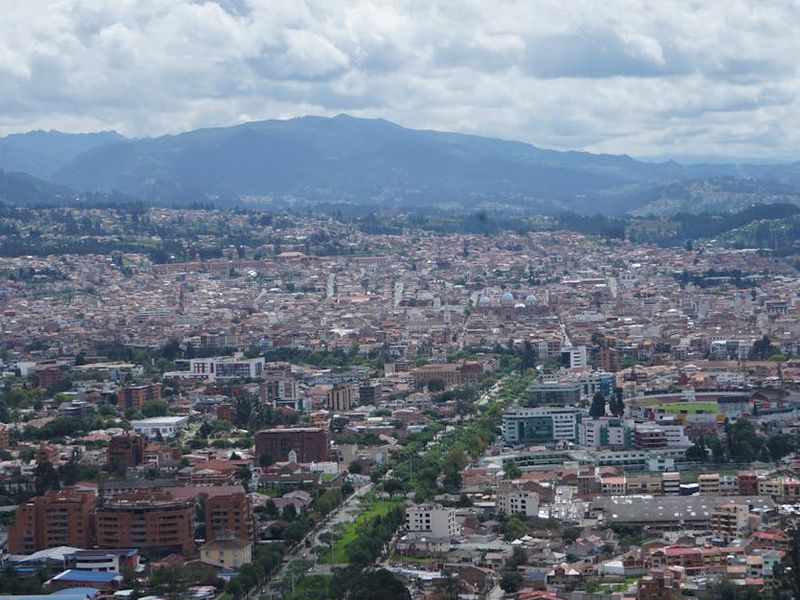
Cuenca is Ecuador’s best-preserved colonial city and a UNESCO World Heritage Site. Cobblestone streets, red-tile roofs and three blue-domed cathedrals define the skyline around Parque Calderón, the city’s heartbeat. Stroll the riverfront along the Tomebamba River to see old stone bridges and parks, and pop into boutique cafes and bakeries that line the historic district.
Must-see highlights:
- Parque Calderón: the central plaza where locals gather; excellent starting point for walking tours.
- The new cathedral with its turquoise domes: a striking landmark visible from several vantage points.
- Museo Pumapungo and archaeological sites: immerse yourself in local Indigenous and colonial history.
- Mercados and artisanal shops: shop for Panama hats, textiles, ceramics and silverwork produced in nearby towns.
Food in Cuenca is a highlight: sample local dishes such as hornado (slow-roasted pork), locro de papa (creamy potato soup), and hearty soups at neighborhood markets. Cuenca is also a great base for day trips to Ingapirca (the largest Inca ruins in Ecuador) and the artisan towns of Gualaceo and Chordeleg for textiles and jewelry.
Practical Tips for Cuenca
- Healthcare: Cuenca has modern private clinics and hospitals—many doctors speak some English. If you plan a longer stay, investigate private health insurance or an international policy.
- Housing: Expect a range from budget hostels to restored colonial boutique hotels. Monthly rentals vary widely but long-term tenants can find comfortable one-bedroom apartments near the center for a fraction of North American prices.
- Safety: Cuenca is considered one of Ecuador’s safer cities for travelers and expats. Standard precautions—watch your belongings in crowded markets, avoid poorly lit streets at night—apply.
Loja: Ecuador’s Cultural Heartland
South of Cuenca, Loja is known as a cultural and musical hub, with a strong university presence and a reputation for conservatory-level music traditions. Its compact historic center invites wandering between plazas, churches and local eateries that serve generous portions and local specialties.
Outdoor lovers use Loja as a jumping-off point for Podocarpus National Park, where cloud-forest trails offer birdwatching, waterfalls and dramatic biodiversity. Loja’s local markets and craft stalls are ideal for picking up handcrafted goods that reflect the region’s artisan skills.
What to Do in Loja
- Explore the town’s plazas and enjoy an evening of live music—many cafes host informal concerts featuring classical and folk styles.
- Take a day trip into Podocarpus for hiking and birding; bring sturdy shoes and rain protection.
- Sample local treats: Loja is known for its artisanal ice cream styles and regional pastries—don’t miss helado de paila, an old-fashioned ice cream made in a large copper pan.
Vilcabamba: The Valley of Well-Being
Vilcabamba, often called the “Valley of Longevity,” attracts visitors seeking a gentler pace, sunshine and outdoor living. Located down a winding road from Loja, the town is small, friendly and full of guesthouses, health-food cafes and yoga studios. Expats and retirees are common here, drawn by the comfortable climate and affordable lifestyle.
Activities in Vilcabamba center on nature: easy to moderate hikes, waterfalls, horseback riding, and short drives to lookouts that show sweeping valley views. The town’s weekend artisan markets and small restaurants serve fresh, local fare—often organic—making it a restful spot after the colonial bustle of Cuenca.
Tips for Staying in Vilcabamba
- Expect smaller medical facilities than Cuenca; for serious treatment, travel to Loja or Cuenca.
- Internet speeds can vary; if you need reliable connectivity for work, confirm Wi‑Fi and mobile options before booking longer stays.
- Transportation: public buses and shared taxis run to Loja and sometimes to Cuenca, but schedules can be infrequent—private shuttles or renting a car make logistics easier.
Suggested Itineraries: From Short Visits to Relaxed Explorations
Three practical itineraries to match different travel styles:
- Long Weekend (3–4 days): Focus on Cuenca. Day 1: arrival, evening stroll around Parque Calderón. Day 2: museums, artisan markets, riverwalk. Day 3: day trip to Ingapirca or Cajas National Park. Day 4: leisurely morning and departure.
- One Week Southern Loop: Cuenca (3 days) → Gualaceo & Chordeleg day trip → Loja (2 days) → Vilcabamba (2 days). This mixes culture, shopping for crafts, national park hiking and valley relaxation.
- Two-Week Slow Travel: Use Cuenca as a base (5–7 days) for deeper exploration—Cajas hikes, rural homestays, and artisan workshops—then move south for an immersive week in Loja and Vilcabamba, focusing on music, nature and wellness.
Packing, Health and Safety Notes
Layering is essential: even sunny days turn cool after sunset at higher altitudes. Bring a lightweight rain jacket, comfortable walking shoes for cobblestones and trails, sunscreen, a hat, and a basic first-aid kit. If you’re susceptible to altitude effects, plan to take it easy your first 24–48 hours in Cuenca, hydrate, and avoid heavy exertion.
Pharmacies are common in Cuenca and Loja, but if you rely on specific prescription drugs, bring an adequate supply and the prescription. Many pharmacies will ask for identification—carry a photocopy of your passport or your passport itself when purchasing medications.
Where to Eat and What to Try
Southern highlands cuisine features highland staples: hearty soups, roasted meats, and fresh cheeses. In Cuenca, look for markets that serve daily traditional fare at modest prices—perfect for sampling without commitment. Loja and Vilcabamba offer more informal health-food and vegetarian-friendly cafes, often with fresh fruit juices, local coffee and organic produce.
- Must-try dishes: hornado (roast pork), locro de papa (potato soup), empanadas (various types), and regional ice cream specialties in Loja.
- Coffee: both Loja and the surrounding highlands produce excellent coffee—ask for a local roast at cafes or visit a small roasting shop for a tasting.
- Snacks and markets: hunt out street stalls for quick bites and fresh juices—great energy for a day of sightseeing.
Final Practical Advice for Travelers and Potential Expats
For short-term visitors, prioritize acclimatization and plan a relaxed schedule that mixes cultural activities with outdoor time. If you’re considering a longer stay or moving as an expat, spend time in Cuenca to test healthcare, connectivity and neighborhoods, then sample stays in Loja and Vilcabamba to see which pace suits you best.
Connect with local expat groups, attend language exchanges to boost Spanish, and consider hiring local guides for deeper cultural context—these contacts will enrich your stay and help you discover corners of the southern highlands many visitors miss.
Where to Learn More and Next Steps
Build your trip around a few anchor experiences—one city stroll in Cuenca, a hike in Cajas or Podocarpus, and a slow day in Vilcabamba’s central park doing nothing. Use those anchors to book lodging, then fill in with artisan towns, local eateries, and day trips. With a combination of historic charm, musical culture and quiet valley life, Ecuador’s southern highlands offer an ideal mix for travelers seeking varied experiences within short distances.
Pack light, move slowly, and leave room to linger over coffee—this region rewards a relaxed pace and curiosity.