
Table of Contents
Overview: Why the Southern Highlands Deserve a Spot on Your Itinerary
The southern highlands of Ecuador blend colonial architecture, biodiverse cloud forests, and a relaxed pace of life that attracts both short-term visitors and long-term residents. This region—anchored by Cuenca, Loja and the valley town of Vilcabamba—offers easy access to nature, vibrant markets, and strong expat communities. Whether you’re planning a week-long trip or scouting a new place to call home, this guide brings practical travel information, neighborhood recommendations, and insider tips to help you make the most of your time.
Quick Orientation: Altitudes, Distances and Climate
One of the first things to understand is altitude. Cuenca sits at about 2,560 meters (8,400 feet), Loja at roughly 2,060 meters (6,760 feet), and Vilcabamba down in a mellow valley around 1,500–1,600 meters (5,000–5,250 feet). That means mornings and evenings can be cool in Cuenca, while Vilcabamba feels more temperate and almost subtropical.
Travel times between these towns vary: expect several hours on scenic mountain roads—buses and private shuttles link Cuenca and Loja in roughly 3–5 hours depending on route and traffic; Vilcabamba is a short drive from Loja (about 45–60 minutes). Bring layers: sun by day, chill by night, and occasional heavy showers in the cloud forest and rainy season.
Cuenca: Colonial Charm, Modern Conveniences
What to See and Do
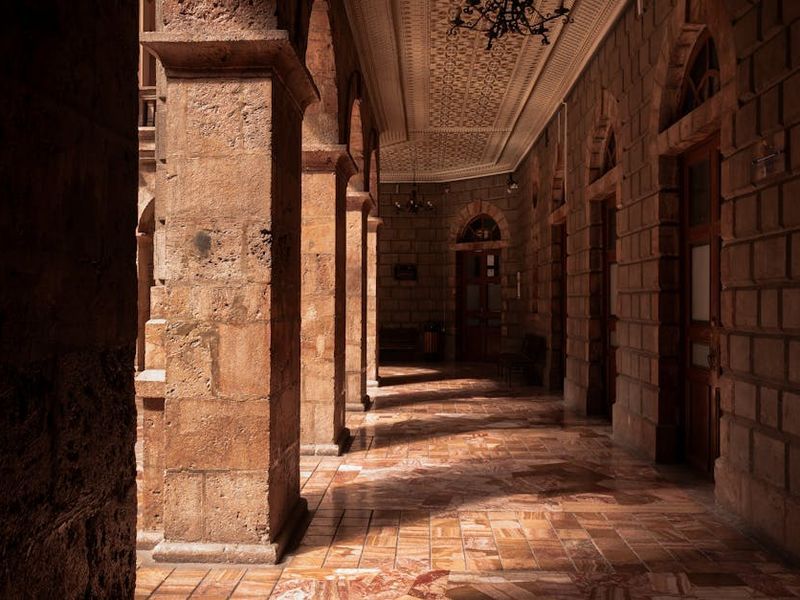
Cuenca is a UNESCO World Heritage city prized for its red-domed cathedral, cobblestone streets and well-preserved center. Start at Parque Calderón to feel the city’s rhythm—street musicians, artisans and cafés spill into the plazas. Walk along the Tomebamba River for flower-lined promenades and colorful houses in Barrio El Carmen.
Don’t miss Museo Pumapungo for archaeology and ethnography, and the Turi viewpoint for sweeping panoramas of the city. For nature lovers, Cajas National Park is under an hour’s drive: expect glacial lakes, peatlands and bright reflections—perfect for hiking, birdwatching and photography.
Where to Stay
For first-timers, the Centro Histórico around Parque Calderón is ideal—walk to restaurants, museums and nightlife. If you want quieter residential life, look into neighborhoods along the Río Tomebamba or near Yanuncay and Parque San Blas for tree-lined streets and local bakeries. Boutique hotels and restored mansions offer characterful stays, while hostels and guesthouses around the center suit budgets.
Food, Markets and Local Flavors
Cuenca’s food scene ranges from traditional market stalls to international restaurants. Visit Mercado 9 de Octubre for fresh fruit, empanadas and hearty local dishes; try hornado (slow-roasted pork), llapingachos (potato patties) and cuy if you’re adventurous. The city’s cafés are excellent for coffee and pastries, and the artisan markets showcase toquilla (Panama) hats, textiles and silverwork from nearby towns like Chordeleg and Gualaceo.
Practical Tips for Cuenca
- Healthcare: Cuenca has modern private clinics and public hospitals, and expatriates often cite the city’s dental and medical services as a reason to base themselves here.
- Transport: Taxis are plentiful—agree on a fare if the meter isn’t used. Ride-hailing apps may operate in the area; check availability before relying on them. Intercity buses are comfortable and frequent.
- Money: Ecuador uses the US dollar. ATMs are widely available in Cuenca; keep small bills for markets and taxis.
Loja: Music, Conservation and Biodiversity
What Makes Loja Special
Loja is often called Ecuador’s cultural or musical capital—music schools, conservatories and a lively local arts scene shape daily life. The surrounding province is a biodiversity hotspot with cloud forests, reserves and national parks such as Podocarpus and Yacuri—important destinations for birdwatchers and conservationists.
Top Activities Around Loja
Explore the historic center and plazas for local flavor, then use Loja as your base for nearby nature reserves. Hike trails through cloud forest, look for hummingbird feeders at private lodges, and visit local farms for fresh fruit and artisan cheeses. Loja also hosts cultural events and occasional music festivals—check local listings while planning your trip.
Logistics and Staying Comfortable
Loja has a compact city center and easy access to surrounding nature. Small guesthouses and family-run hotels offer friendly hospitality; if you’re a birdwatcher or naturalist, consider staying at an eco-lodge outside town for guided walks and early-morning excursions. There’s a regional airport with flights to major cities, which can save time compared to road travel.
Vilcabamba: Valley of Slow Living and Wellness
Why People Come Here
Vilcabamba’s reputation as a place of longevity and relaxation draws retirees, wellness seekers and travelers looking to disconnect. The valley’s temperate climate, organic farms and yoga studios contribute to a laid-back vibe. Expect small cafés, artisan shops and a steady stream of visitors exploring hiking trails and waterfalls.
Things to Do in Vilcabamba
Hike local peaks such as Mandango for views over the valley, explore waterfalls and rivers, or simply relax in a hammock at a small eco-lodge. Weekend markets offer local crafts and fresh produce; many properties feature gardens where you can buy herbs, honey and fruit. Vilcabamba is also known for alternative practitioners—massage, naturopathy and acupuncture are common.
Living and Practicalities
The town has a strong expat network and basic services—small clinics, grocery shops and bakeries—though for advanced medical care you’ll likely travel to Loja or Cuenca. English is more common here than in remote villages, but basic Spanish will tremendously improve your experience. Internet can be reliable in town but slower at remote lodges—confirm connectivity if you need to work.
Getting Between Cities and Getting Around Locally
Road travel is the most common way to move between these towns. Interprovincial buses range from basic to executive coaches with reclining seats; companies run frequent services between Cuenca and Loja. If you prefer flexibility, consider private shuttles or hiring a driver for scenic stops en route. For shorter hops, local colectivos and taxis are affordable. Always confirm schedules in advance during holiday periods and festival weekends.
Health, Altitude and Safety
Altitude effects vary by person—Cuenca’s elevation requires acclimatization for those coming from sea level. Take it easy the first day, stay hydrated and avoid heavy exertion. If you’re prone to altitude sickness, speak to your physician about prevention options.
Healthcare access is good in Cuenca and fair in Loja; Vilcabamba has basic clinics. Many expats choose Cuenca for its modern dental and medical services. For safety, southern highland towns are generally friendly and low-crime compared with larger cities, but petty theft occurs—use common-sense precautions with backpacks, phones and wallets.
Costs, Connectivity and Working Remotely
Daily travel budgets are flexible: street food and market meals can be extremely cheap, mid-range dining is affordable, and boutique hotels vary widely. Short-term visitors can expect economical options; expats often find that a comfortable lifestyle in Cuenca or Loja costs less than many North American or European cities.
SIM cards and mobile data from national providers are easy to obtain and inexpensive; eSIMs are becoming more popular. Cuenca has reliable coworking spaces and cafés with decent Wi-Fi—if remote work is a priority, research internet speeds with accommodations ahead of booking.
Cultural Etiquette, Language and Local Tips
Small courtesies go a long way: greet shopkeepers and taxi drivers, use “buen día” or “buenas tardes” and practice a few Spanish phrases. Older Ecuadorians usually expect polite forms of address (usted) in formal situations. Festivals and patron saint celebrations can be lively—respect religious ceremonies and ask before photographing people in traditional dress.
Markets are great places to practice Spanish and bartering skills. If visiting artisans in Gualaceo or Chordeleg, be prepared to ask about the techniques and stories behind their craft—these conversations enrich both your experience and the seller’s day.
Pacing Your Trip: Sample Itineraries
One Week: A Compact Route
- Days 1–3: Cuenca—historic center, Museo Pumapungo, day trip to Cajas.
- Days 4–5: Road to Loja with stops in small artisan towns—explore local hikes and cultural sites.
- Days 6–7: Vilcabamba—hiking, market browsing, relaxation and spa-style treatments.
Two Weeks or More: Slow Travel and Deeper Discovery
- Spend extra days in Cuenca for language classes or volunteering.
- Book multi-day treks in Podocarpus or stay at an eco-lodge for guided birdwatching.
- Enjoy the wellness scene in Vilcabamba and use Loja as your base for cultural immersion and concerts.
Packing and Practical Checklist
- Layers for variable mountain weather: fleece, lightweight jacket, rain shell.
- Comfortable walking shoes and sun protection (hat, sunscreen).
- Small daypack, refillable water bottle, basic first-aid and any altitude medication your doctor recommends.
- Cash in small bills for markets and taxis; backup cards and an unlocked phone for local SIMs.
Final Thoughts: Slow Down and Taste the Highlands
The southern highlands reward travelers who slow down. Cuenca’s colonial streets invite aimless wandering, Loja’s music scene offers unexpected performances, and Vilcabamba’s valley encourages long mornings and gentle hikes. Whether you’re there for culture, nature or a potential move, balance planned attractions with pockets of unstructured time. Ask locals for recommendations—often the best food stalls, viewpoints and hidden trails aren’t in guidebooks but shared by the people who live here.
Ready your layers, brush up on a few Spanish phrases, and leave room in your itinerary for the unexpected: an impromptu concert, a farm visit, or a sunrise walk above a cloud bank. The southern highlands of Ecuador are quietly generous, and they reward curiosity with unforgettable moments.