
Table of Contents
Why Choose Ecuador’s Southern Highlands?
The southern highlands of Ecuador offer a rich mix of colonial charm, cloud-forest biodiversity and laid-back mountain living. In one trip you can walk the cobbled streets of a UNESCO city, hear live instrumental music in a provincial capital with a thriving cultural scene, and relax in a valley known for wellness and long-lived residents. For travelers seeking slower, immersive experiences with strong local culture and easy logistics, Cuenca, Loja and Vilcabamba make an ideal trio.
Quick Orientation: Distances, Elevations and Seasons
These three destinations sit along the southern spine of the Andes but each has its own microclimate and vibe. Cuenca (Centro Histórico) is perched at about 2,560 meters (8,400 ft), with cool, mild weather year-round. Loja is lower and warmer, roughly 2,060 meters, and known for cloud forests nearby. Vilcabamba drops further into a warm valley around 1,500 meters and has a subtropical feel.
Travel times by road are short by Latin American standards: Cuenca–Loja buses generally take 3–4 hours and Cuenca–Vilcabamba around 3–4 hours depending on route and stops. Weather follows the Andean pattern: the wetter months are roughly December–May and the drier stretch June–November, though microclimates mean you can still get rain any month — bring layers and a rain shell.
Cuenca: Colonial Grandeur and Everyday Life
Essential Sights
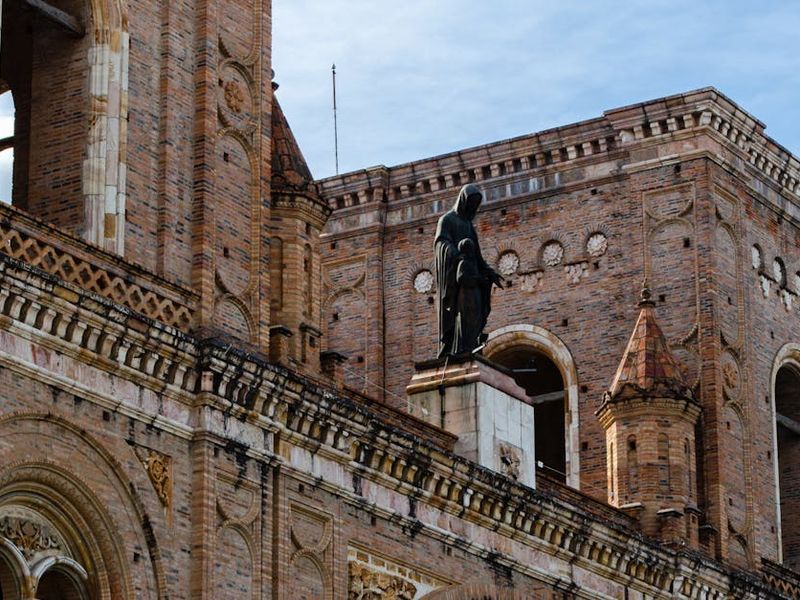
Cuenca’s Centro Histórico is a compact delight. Stroll Plaza Calderón and admire the twin-domed New Cathedral (Catedral de la Inmaculada Concepción), with its distinctive blue tiles visible from many vantage points. Walk along the Tomebamba River, cross arched bridges and explore pedestrian Calle Larga for cafés and artisan shops.
Don’t miss Museo Pumapungo — it blends archaeological exhibits with an on-site archaeological park and a colonial-era pottery display. For outdoor lovers, Cajas National Park (Parque Nacional Cajas) is a 40–60 minute drive west of Cuenca and offers high-altitude lakes (lagunas), brisk hikes and excellent birdwatching.
Markets, Crafts and Day Trips
Cuenca is a great base for nearby artisan towns: Chordeleg for silver filigree and jewelry, and Gualaceo for textiles and ceramics. On market days, local vendors sell woven ponchos, natural dyes and fresh Andean produce. The 9 de Octubre market in Cuenca is lively and a great place to sample traditional foods.
Where to Stay and Eat
Cuenca satisfies every budget. Hostels and guesthouses in the historic center are popular with long-term travelers and expats; mid-range hotels with colonial courtyards are abundant. Street food and local eateries (comedores) offer plate lunches for just a few dollars while mid-range restaurants with international menus run $10–25 per person.
Loja: Ecuador’s Musical Heart and Cloud-Forest Gateway
What Makes Loja Special
Loja has a quieter, more provincial feel than Cuenca but punches above its size in culture. It’s been called Ecuador’s musical capital for its conservatories, orchestras and frequent recitals in plazas and theaters. The compact center is walkable and has a number of museums, parks and cafés where local musicians often play.
Nature and Birding Near Loja
Just outside Loja is Podocarpus National Park, a cloud-forest stronghold with remarkable biodiversity and excellent birding. Hikes here take you through moss-draped trees, past orchids and endemic plants. If you’re a photographer, the shifting mist and layered vegetation are a delight; if you’re a birder, keep binoculars handy for hummingbirds and tanagers.
Local Culture and Artisan Visits
Explore nearby indigenous communities—Saraguro is one such area—where traditional weaving and dress are still part of daily life. Loja’s cultural calendar includes music festivals and smaller civic events; if your travel dates are flexible, look for a concert or a local feria to experience regional pride and culinary specialties.
Vilcabamba: Valley of Longevity and Slow Living
The Myth and Reality
Vilcabamba has a reputation as the “Valley of Longevity,” attracting wellness seekers hoping to uncover the secret to long life. While the longevity myths are exaggerated, there’s no denying the locale’s relaxed pace, abundant fresh produce and favorable climate that make it a magnet for retirees and naturalists.
Outdoor Activities and Wellness Options
Hiking options include local trails to viewpoints like Mandango (a popular short hike with sweeping valley views) and longer treks into the surrounding hills. The town has many small wellness centers, yoga studios and organic cafés, but it’s not a luxury spa destination — the vibe is rustic and community-led. If you want guided nature walks, ask local lodging hosts or the tourist office for vetted guides.
Practicalities in Vilcabamba
Expect smaller, boutique lodging and fewer dining choices than Cuenca, but with a higher ratio of organic and vegetarian-friendly meals. Nightlife is calm; evenings are perfect for relaxed dinners and stargazing. If you’re considering a long stay, Vilcabamba has a modest expat community and basic amenities including small clinics and grocery shops.
Sample 7-Day Itinerary
Day 1–3: Cuenca — Explore the historic center, visit Museo Pumapungo, take a day trip to Cajas National Park, and shop artisan towns in the afternoon. Spend evenings enjoying riverside cafés and local desserts.
Day 4: Travel to Loja — take an early bus, arrive midday, stroll the main plaza and attend an afternoon concert if available. Sample local coffee and evening empanadas.
Day 5: Podocarpus or nearby nature — hire a guide for birding or hike in cloud forest. Return to Loja and enjoy a relaxed dinner.
Day 6–7: Vilcabamba — move to the valley for two days of hiking, wellness sessions, and exploring markets. Return to Cuenca or continue to the coast from Loja depending on your plans.
Getting Around: Buses, Taxis and Driving
Intercity buses are inexpensive, frequent and comfortable enough for the short distances here. Buy tickets at the station or through agencias (ticket offices) the day before, and arrive early on busy weekends. Bus fares between cities typically range from $8 to $20 depending on distance and carrier; schedules vary so check current timetables in person or with local travel desks.
Within cities, taxis are plentiful. In Cuenca, official taxis are easy to find; agree on a fare or ask them to use the meter where available. Ride-hailing apps operate sporadically in Ecuador — they’re useful where they exist but don’t be surprised if coverage is patchy in smaller towns.
Renting a car gives maximum flexibility (especially for exploring Cajas and artisan towns), but roads into cloud forests and some rural areas can be steep and narrow — a high-clearance vehicle and confident mountain driving are advised. Parking in historic centers can be limited, so book hotels with secure parking if you plan to drive.
Money, Connectivity and Practical Tips
Currency and ATMs
Ecuador uses the US dollar, which simplifies budgeting for many travelers. ATMs are common in Cuenca and Loja and reliable inside bank lobbies; avoid standalone machines at night. Small vendors prefer cash, so carry small bills and coins for markets and buses.
Phone and Internet
Prepaid SIM cards from major providers like Claro and Movistar are available at airports and city kiosks; coverage in towns is strong, while remote parks have patchy service. If you rely on navigation, download offline maps and keep a printed route for remote hikes.
Health and Altitude
Cuenca sits at moderate altitude (2,560 m). Most visitors adjust quickly but watch for mild altitude symptoms—shortness of breath on steep climbs, mild headaches. Stay hydrated, take it easy the first day, and avoid heavy exertion if you feel unwell. Bring sunscreen — UV is stronger at altitude — and a basic first-aid kit. Pharmacies are plentiful in towns for common medications.
Safety and Local Customs
Southern Ecuador is generally safe for travelers, but standard precautions apply: watch belongings in crowded markets, avoid unlit streets at night, and use official taxis or ones recommended by your hotel. Keep copies of important documents and travel insurance details separate from your passport.
Greetings are warm: a single cheek kiss is typical among acquaintances, and a firm handshake is common for first meetings. Use formal language (usted) in professional or older-person interactions until invited to switch to tú. Learning a few Spanish phrases will go a long way toward positive interactions.
Food, Drink and What to Try
The southern highlands have hearty cuisine—soups, grilled meats, fresh Andean vegetables and cheeses. Try local favorites like mote (hominy), llapingachos (potato patties), and ceviche variations along the coast if you travel west afterward. Cuenca’s café culture is thriving; look for coffee from Loja province or specialty roasters showcasing Ecuadorian beans.
Drink bottled water if you’re unsure, though many hotels provide filtered water. Fresh fruit juices are ubiquitous — try the tropical blends but ask for no ice if you’re worried about water quality.
Responsible Travel: Respecting Nature and Communities
When visiting Cajas, Podocarpus or smaller communities, stick to official trails, don’t feed wildlife and carry out all trash. If you hire guides for birding or indigenous community visits, use licensed operators who give back economically to local people. Purchasing crafts directly from artisans supports livelihoods and preserves traditional skills.
Final Practical Checklist
- Pack layers: temperatures vary with altitude and time of day.
- Bring sunscreen and a small daypack for hikes.
- Carry cash in small bills for markets and taxis.
- Buy local SIM or enable eSIM for connectivity; download offline maps.
- Book Cajas or Podocarpus excursions through hotels or trusted agencies.
- Learn basic Spanish phrases: greeting, ordering food, and asking for directions.
- Check current bus schedules the day before longer journeys.
Wrap-Up: Slow Travel, Big Rewards
The southern highlands of Ecuador reward travelers who slow down. Spend time in Cuenca’s plazas, wake early for Loja’s music, and savor quiet afternoons in Vilcabamba’s valley air. Whether your interest is culture, nature or wellness, these three towns form a complementary trio that offers a well-rounded and deeply local Ecuadorian experience.
Plan for flexible travel days, pack for changing conditions, and prioritize local experiences—meals in family-run comedores, artisan workshops in nearby towns, and guided hikes with knowledgeable naturalists. With a little planning you’ll find warmth, variety and plenty of reasons to linger in Ecuador’s southern highlands.