
Table of Contents
Introduction: A New Way to Get Dental Work Done
More patients than ever are pairing major dental work with travel, and Cuenca, Ecuador has emerged as a clear leader in dental tourism. Imagine saving 60–70% on implants, crowns, or veneers, receiving care from highly trained clinicians in modern clinics, and recovering in a UNESCO-listed colonial city with springlike weather. That’s the appeal of Cuenca: an unbeatable mix of exceptional value, personalized care, short wait times, and a beautiful place to rest and enjoy yourself while you heal.
Why Dental Tourism Centers Matter — and Why Cuenca Excels
Dental tourism isn’t just about lower prices. It’s a balance of cost, clinical quality, patient experience, logistics, and recovery environment. Cuenca checks every box: well-trained dentists, clinics using advanced imaging and CAD/CAM technology, direct dentist-to-patient relationships, and an environment that’s gentle on the body during healing. Add short wait times and an abundance of activities to help distract and comfort you during recovery, and Cuenca becomes more than a bargain — it becomes the smartest choice for dental implants and cosmetic dentistry.
Massive Savings Without Sacrificing Quality
Cost is the headline for many dental travelers. In the U.S. and Canada, a single titanium implant (surgery and abutment) can run $3,000–$5,000; a crown to cap that implant may be $1,000–$1,500. In Cuenca, comparable full-service implant treatment often costs 60–70% less — meaning the same implant and crown package may be in the $1,000–$2,000 range. Veneers and crowns can be similarly dramatic in savings: what might cost $1,000+ per tooth in North America is often $300–$500 per tooth in Cuenca.
These numbers aren’t low-cost at the expense of standards; the savings come from lower overhead, favorable exchange rates, and efficient, patient-focused clinic models. That value makes more complex treatment plans (multiple implants, full-arch restorations, or a mix of implants and veneers) financially feasible for many people who otherwise would delay or decline care.
World-Class Clinicians and Modern Clinics
Cuenca’s dental teams are educated at top universities in Ecuador and many have additional training or fellowships in the U.S., Europe, or Latin America. Clinics in Cuenca commonly use digital x-rays, cone beam CT (CBCT) imaging, guided implant surgery planning, 3D printers, and CAD/CAM milling systems to make crowns and implant abutments. Many practices offer same-day crowns or provisional restorations thanks to in-house digital labs.
That combination of academic training and technological investment gives patients modern protocols: guided surgery for precise implant placement, sterile operating environments, and materials that match international standards. Clinics are typically smaller and more personal than large corporate chains, so you’ll benefit from continuity of care and direct access to your treating dentist.
Short Wait Times and Faster Access to Care
One of the frustrating parts of getting dental work at home is the wait: new patient consults, specialist referrals, and lab turnaround can take months. In Cuenca, you’ll often get a consultation within days of contacting a clinic, and procedures can be scheduled quickly — sometimes the same week. For implant patients, this means you can begin a staged treatment plan on a trip of two to three weeks, then return for final restorations weeks or months later, or opt for immediate-load options if your case permits.
This efficiency is especially valuable for people traveling from North America who want to minimize time away from work and family while still receiving comprehensive care.
Personalized, One-on-One Patient Care
Many patients report a profound difference in the level of personal attention in Cuenca clinics. Dentists often oversee every step rather than delegating much of the work to multiple technicians. You’re likely to meet and consult directly with your treating doctor, who will explain options, create a tailored treatment plan, and provide follow-up instructions in plain language.
Bilingual staff are common — many dentists and clinic coordinators speak fluent English — and clinics understand the needs of international patients: scheduling that fits travel itineraries, clear cost estimates, and written post-op care that’s easy to follow during recovery.
Recovery in a Beautiful, Soothing Environment
Cuenca’s climate is one of the city’s healing advantages. Perched at roughly 2,500–2,600 meters (about 8,200 feet) above sea level, the city enjoys consistently mild daytime temperatures and cool nights — often described as “eternal spring.” That comfortable weather makes light walks around town pleasant during the early healing phase after implant surgery.
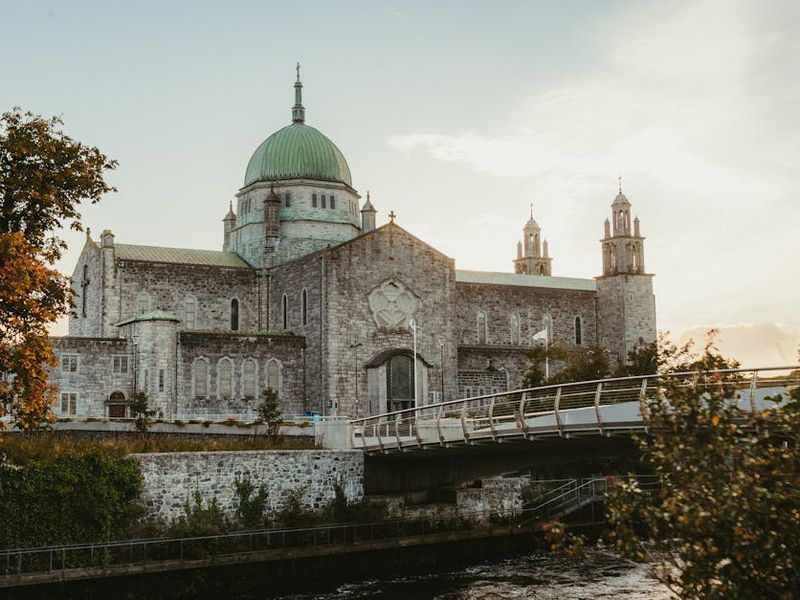
The historic center, a UNESCO World Heritage Site, is full of quiet plazas, tree-lined promenades, and riverside trails along the Tomebamba River. Gentle activities — sipping coffee in a café near Parque Calderón, wandering artisan markets in Chordeleg and Gualaceo, or visiting Museo Pumapungo — provide low-impact distractions while you rest. Nearby mountain and lake scenery in Cajas National Park gives you easy options for serene day trips without strenuous exertion.
Combining Treatment with Vacation Activities
One of the biggest benefits of dental tourism is turning a necessary medical trip into a restorative vacation. In Cuenca you can schedule your surgical phase early in your stay, enjoy quiet days for initial healing, and follow-up with light sightseeing. Activities that pair well with a dental recovery include:
- Leisurely riverside strolls and bench time along the Tomebamba — peaceful and accessible.
- Short cultural outings: museums, artisan markets, and cathedral visits that don’t involve heavy lifting or long hikes.
- Day trips to Cajas National Park with short, low-elevation walks around lagoons for fresh air and scenic views.
- Relaxing in boutique hotels or Airbnb homes with calming gardens and comfortable rooms—helpful for mid-day rest and cold-compress care.
For patients who opt for sedation dentistry or general anesthesia, Cuenca’s calm atmosphere and friendly hospitality make waking up and beginning recovery a much less stressful experience than in a busy metropolitan hospital setting.
Practical Timelines: How to Plan Your Dental Vacation
Planning is key. Here’s a practical timeline many patients follow for implants in Cuenca:
- Pre-trip: Send previous dental records and x-rays to your chosen clinic; arrange initial virtual consultation so the dentist can plan and order any custom guides or parts.
- Trip part 1 (7–14 days): Arrival, in-person exam, CBCT scan, implant surgery and placement of temporary restorations if needed. Most clinics will schedule follow-up visits 48–72 hours after surgery for removal of sutures and checkups.
- Healing interval (8–16 weeks typical, but can vary): Bone integrates with implants (osseointegration). You can return home during this time and enjoy low-impact travel, or stay longer in Cuenca for follow-up and to continue your vacation.
- Trip part 2 (3–7 days): Final impressions, placement of permanent abutments and crowns or veneers, and final bite adjustments. Many patients coordinate this return visit within 3–6 months.
Some clinics in Cuenca offer immediate-load implants or “Teeth in a Day” options for qualified cases, which can shorten the timeline, but those choices depend on bone quality and individual treatment goals.
Safety, Aftercare, and Follow-up
Patient safety is a top priority. Reputable Cuenca clinics follow sterilization protocols similar to those in North America and use FDA- or CE-approved implants and materials. Before you travel, ask the clinic about their infection control practices, anesthetic options, emergency protocols, and warranties for prosthetics.
Aftercare tends to be very hands-on: clinics will give clear written aftercare instructions, prescribe antibiotics or pain medicines if needed, and often provide emergency contact info for questions after hours. Many clinics also coordinate follow-up with local general dentists if longer-term maintenance is needed after you return home.
Practical Tips for a Smooth Dental Vacation to Cuenca
To get the most from your trip, keep these practical tips in mind:
- Book a virtual consultation first. Send photos and scans so the dentist can plan and give you an accurate cost estimate and timeline.
- Bring copies of medical history, medication lists, and allergies. This speeds up in-person consults and keeps care safe.
- Plan for altitude. While Cuenca’s elevation rarely causes serious problems, some patients feel mild breathlessness or fatigue for a day or two; stay hydrated and take it easy right after surgery.
- Choose lodging close to your clinic or near Parque Calderón to minimize travel after procedures.
- Ask about medications to bring home in case you need a refill; many clinics can write prescriptions compatible with your country’s pharmacy system.
- Consider travel health insurance that covers procedural complications and check the clinic’s restorative warranty policies.
- Leave extra time in your itinerary. Many dental travelers add a few recovery days for comfort and sightseeing without stress.
Real Value: Why Many People Choose Cuenca Over Other Destinations
There are many dental tourism hubs around the world, but Cuenca is unique for the combination of price, quality, personalized care, and atmosphere. Large clinics in some countries may offer low prices but limited personal contact and crowded schedules. In Cuenca, cost savings are paired with a boutique approach: your dentist often leads your case from start to finish, and clinics tailor treatment to your needs rather than pushing a one-size-fits-all package.
When you calculate the total value — lower cost for world-class implants and crowns, less waiting, comfortable recovery days in a charming city, and strong patient support — Cuenca frequently delivers the best return on investment for anyone serious about long-lasting dental work.
Common Questions Answered
Will I get the same materials and implants I would at home?
Yes. Reputable Cuenca clinics use internationally recognized implant systems and dental materials. Ask the clinic specifically which brands they use and verify product warranties if that’s important to you.
How soon can I travel after implant surgery?
Most patients can fly home a few days after surgery if they feel well and have no complications. If you’ve had sedation or general anesthesia, clinics will recommend an extra day or two to ensure you are comfortable. If possible, schedule your return flight mid-week to allow flexibility for follow-up appointments before departure.
Is language a barrier?
Many dentists and staff in Cuenca speak fluent English, and clinics experienced with international patients will provide bilingual coordination. Still, learn a few basic Spanish phrases to help with daily needs and show courtesy while you’re in the city.
Final Thoughts: A Smart Investment in Health and Happiness
Choosing Cuenca for dental implants, crowns, or veneers is about more than saving money — it’s a holistic decision that blends excellent clinical care with an environment that supports healing and happiness. From dramatic cost savings (60–70%) to world-class training, cutting-edge dental technology, quick access to appointments, and a beautiful UNESCO city to aid recovery, Cuenca represents one of the best values in the world for dental tourism.
Whether you’re replacing a single tooth or planning a full-mouth restoration, consider Cuenca not just as a destination for care, but as a recovery vacation that restores your smile and gives you a memorable, restorative travel experience. With thoughtful planning, clear communication with your chosen clinic, and a few days of relaxation along the Tomebamba, you can return home with improved oral health and a refreshed outlook — and a budget that thanks you for life.
Adam Elliot Altholtz serves as the Administrator & Patient Coordinator of the “Smilehealth Ecuador Dental Clinic“, along with his fellow Expats’ beloved ‘Dr. No Pain‘, right here in Cuenca, Ecuador, and for purposes of discussing all your Dental needs and questions, is available virtually 24/7 on all 365 days of the year, including holidays. Adam proudly responds to ALL Expat patients from at least 7:00am to 9:00pm Ecuador time, again every single day of the year (and once more even on holidays), when you write to him by email at info@smilehealthecuador.com and also by inquiry submitted on the Dental Clinic’s fully detailed website of www.smilehealthecuador.com for you to visit any time, by day or night. Plus, you can reach Adam directly by WhatsApp at +593 98 392 9606 -or by his US phone number of 1‐(941)‐227‐0114, and the Dental Clinic’s Ecuador phone number for local Expats residing in Cuenca is 07‐410‐8745. ALWAYS, you will receive your full Dental Service in English (NEVER in Spanish), per you as an Expat either living in or desiring to visit Cuenca by your Dental Vacation, plus also to enjoy all of Ecuador’s wonders that are just waiting for you to come arouse and delight your senses.