
Table of Contents
Why regular dental check-ups matter — beyond fresh breath
Routine dental care does more than keep your smile bright. Regular check-ups detect early signs of tooth decay, gum disease, oral cancer, and other conditions that can affect your general health. For expats living in Cuenca, staying on top of dental appointments helps you avoid expensive emergency treatments and keeps you comfortable while you enjoy life in Ecuador.
How often should you see a dentist?
For most adults, a professional dental exam and cleaning every six months is a practical standard. That frequency allows dentists to remove plaque and tartar buildup, screen for cavities, and assess gum health. However, individual needs vary. If you have a history of periodontal disease, frequent cavities, diabetes, or are a heavy smoker, your dentist may recommend visits as often as every three to four months.
Special circumstances that call for more frequent care
- Ongoing gum disease (periodontitis) — often requires three- or four-month maintenance visits.
- Orthodontic treatment — braces or clear aligners typically mean more frequent monitoring.
- Chronic health conditions (e.g., diabetes) — these can affect oral health and healing.
- Pediatric patients — children may need check-ups aligned with eruption patterns and sealant/fluoride schedules.
- Recent dental surgery or implant placement — follow-up visits are crucial for healing.
What a typical check-up in Cuenca looks like
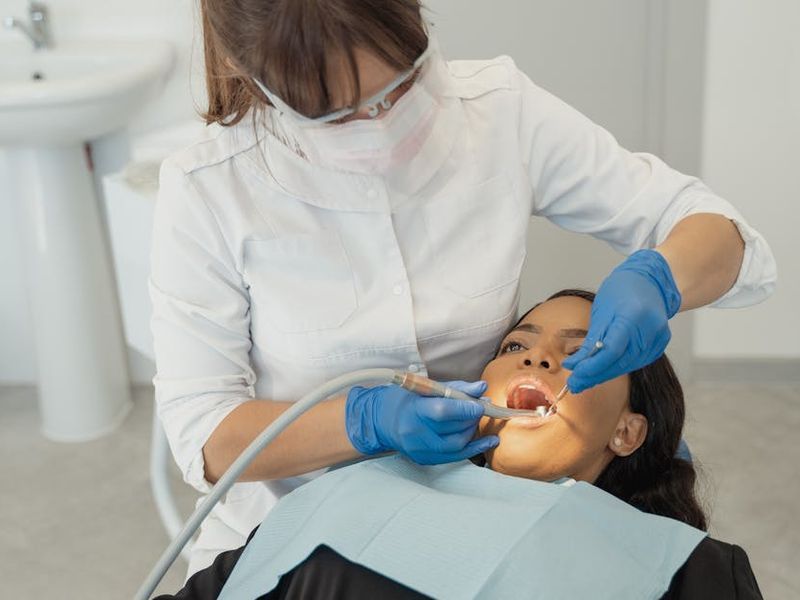
When you walk into a private dental clinic in Cuenca, expect a straightforward, efficient process. A routine visit usually includes:
- Medical and dental history update — tell the clinic about medications, allergies, or recent health changes.
- Oral exam — your dentist will check teeth, gums, soft tissues, and lymph nodes for abnormalities.
- Professional cleaning (profilaxis) — scaling and polishing to remove plaque and tartar.
- Digital or traditional X-rays if indicated — bitewings or panoramic images help spot hidden decay and bone loss.
- Personalized recommendations — home care tips, treatment plans, and timelines for restorative work if needed.
Many clinics in Cuenca use modern equipment, including digital radiography, intraoral cameras, and sterilization technology. Ask if the clinic saves records digitally; this makes future visits or referrals easier.
Finding the right dental clinic in Cuenca: practical tips
Cuenca has a robust dental sector serving locals and expats. Here are practical ways to find a reliable clinic:
- Ask fellow expats — Facebook groups and community forums like “Cuenca expats” are excellent sources of firsthand recommendations.
- Check credentials — look for dentists registered with local dental associations and inquire about their training and specialties.
- Language and communication — many dentists speak Spanish; several clinics near El Centro and neighborhoods popular with foreigners may offer English-speaking staff or translation assistance. If language is a concern, confirm this before booking.
- Read recent reviews — online ratings and testimonials on Google, clinic websites, or expat blogs help gauge service and patient satisfaction.
- Visit before committing — schedule a consultation or hygiene visit to assess cleanliness, equipment, and the staff’s communication style.
Which neighborhoods are convenient for dental care?
Cuenca’s historic center (El Centro) hosts many dental practices within walking distance of expat housing and hotels. Other neighborhoods with accessible clinics include San Sebastián, El Batán, and near the rivers Tomebamba and Yanuncay. If you live farther out, private clinics in more residential areas still offer quality care — just confirm hours and appointment availability.
Cost expectations and payment options
One major advantage of getting dental care in Cuenca is affordability compared to North America and Europe. While prices vary by clinic, treatment complexity, and materials, approximate ranges in USD are helpful for planning:
- Routine cleaning and exam: $20–$60
- Basic filling (composite): $30–$120
- Root canal therapy: $150–$500
- Porcelain crown: $200–$600
- Dental implant (implant + crown): $800–$2,000
These ranges are broad because clinics vary in materials and technology. Always ask for a written treatment plan with clear costs. Many clinics accept cash, credit/debit cards, and bank transfers; some offer installment plans or financing for larger restorative and cosmetic procedures. If you have IESS (Ecuadorian social security) coverage or private insurance, ask the clinic what paperwork they require.
What to ask during your first appointment
Prepare a short list of questions to ensure you and your dentist are aligned. Consider asking:
- What does my diagnosis mean and what are my treatment options?
- What are the pros and cons of each option and associated timelines?
- Can you explain the materials used (e.g., types of crowns or implants)?
- Are there non-surgical alternatives I should consider first?
- How many visits are required and what is the recovery like?
- What are the total costs, payment options, and any follow-up charges?
Dental emergencies in Cuenca: where to turn
Even with regular care, emergencies happen. Common urgent issues include severe tooth pain, knocked-out teeth, swelling, or dental infections. Cuenca has after-hours services at some private clinics and hospitals that handle dental emergencies. If you experience severe swelling, difficulty breathing, or fever with oral pain, seek emergency medical care immediately, as infection may require systemic treatment.
For less critical issues, call your dentist’s clinic first — many will reserve short-notice appointments for emergencies. Keep an emergency kit with pain relief (acetaminophen or ibuprofen), a cold pack, dental wax or temporary filling material, and the local clinic’s contact information saved in your phone.
Special considerations for expats: records, language, and continuity of care
As an expat in Cuenca, here are a few practical steps to make dental care smoother:
- Bring previous dental records — X-rays and treatment histories from your home country help the new dentist plan appropriate care. If you don’t have originals, request digital copies before you leave home.
- Use WhatsApp — many Ecuadorian clinics communicate via WhatsApp for appointment scheduling and follow-up; it’s convenient and often answered quickly.
- Keep a digital folder — store copies of treatment plans, receipts, and contact details for future reference or for communication with insurance.
- Learn key Spanish dental terms — basic vocabulary helps during visits: limpieza (cleaning), empaste (filling), muela del juicio (wisdom tooth), implante, corona (crown), encías (gums).
Preventive care at home — simple habits that pay off
Daily habits strongly influence how often you need professional care. Effective home practices include:
- Brushing twice a day with fluoride toothpaste for two minutes each time.
- Daily interdental cleaning — floss, floss picks, or interdental brushes to remove plaque between teeth.
- Limiting sugary drinks and snacks — local fruit juices and sweets are tempting, so moderate consumption and rinse with water afterward.
- Using a soft-bristled brush to protect enamel and gums, and replacing your brush every three months or after illness.
- Considering a fluoride mouthwash if your dentist recommends it, especially for people with high decay risk.
Children, pregnancy, and older adults — tailored dental care
Your life stage affects dental needs. For children, early dental visits (by the eruption of the first tooth or first birthday) help establish care habits; dentists in Cuenca commonly provide fluoride varnishes and sealants. Pregnant women should maintain routine dental care — uncontrolled gum disease can affect comfort and overall health during pregnancy. Elderly patients may need help with dry mouth, denture maintenance, or more frequent monitoring for decay and gum recession. Communicate all health conditions and medications to your dentist so they can tailor care plans.
Cosmetic and restorative dentistry in Cuenca
If you’re considering cosmetic improvements like whitening, veneers, or orthodontics, Cuenca offers a range of competent dentists who perform these procedures at lower cost than many countries. Research materials and follow-up care requirements, especially for implants and crowns, and plan a realistic timeline — some treatments require multiple visits or lab work that can take weeks.
Dental tourism vs. local long-term care
Some expats combine dental work with travel — having larger procedures done in Ecuador while visiting family or traveling elsewhere. While Cuenca’s clinics are often well-suited to both short-term and long-term care, think about continuity: large restorative treatments benefit from follow-up visits and long-term maintenance. If you plan significant work, arrange a local schedule for postoperative checkups and ensure someone is available for emergencies until full healing.
Final checklist before your next appointment
- Confirm appointment time, cost estimate, and whether an interpreter will be available.
- Bring prior dental records or X-rays if possible, and a list of current medications.
- Note any recent changes in health, such as new diagnoses or allergies.
- Plan transportation and aftercare, especially if sedation or complex procedures are planned.
Regular dental check-ups are a small investment that prevents larger problems later. For expats in Cuenca, the combination of affordable care, modern clinics, and an active expat community makes it easier than ever to stay on top of oral health. Book your exam, keep a simple preventive routine at home, and don’t hesitate to ask questions — your dentist is there to help keep your smile healthy for years to come.