
Table of Contents
Why Cuenca Is a Top Choice for Dental Tourism
Cuenca, Ecuador attracts thousands of dental tourists each year because it combines experienced clinicians, modern clinics, and prices often 40–70% lower than in the US and Canada. The city’s compact historic center, mild climate, and abundant expat resources also make it easy for visitors to recover comfortably between procedures. Whether you’re considering crowns, implants, root canals, or veneers, Cuenca offers a balance of quality and affordability—but a successful dental vacation takes planning.
How Dental Care in Cuenca Really Compares
Dental clinics in Cuenca range from small family practices to multi-specialty centers with CBCT scanners and on-site labs. All procedures are billed in US dollars, which simplifies budgeting. Expect to see wide price ranges depending on materials, lab work, and clinician experience. For example (approximate): crowns $200–$450, implants $800–$1,800, root canals $80–$300. These savings allow many people to get higher-quality materials or additional treatments than they could back home—if they plan properly.
Choosing the Right Clinic: Beyond Price
Price is important, but the safest bets focus on reputation, clear communication, and documented credentials. When vetting clinics:
- Look for before-and-after photos and full case studies rather than only testimonials.
- Check Google reviews, Facebook community groups (like expat and dental tourism groups), and ask for patient referrals.
- Confirm the clinic uses modern diagnostics (digital x-rays, intraoral cameras, or CBCT for implants) and asks for your dental history.
- Ask about sterilization protocols, warranty policies on work, and whether they use internationally recognized materials (e.g., reputable implant brands and ceramic labs).
Request a video consultation or send recent x-rays before booking to get a preliminary treatment plan and price estimate. A transparent clinic will provide those without a hard sell.
Timing Treatments: How to Plan Appointments and Recovery
The timeline you choose depends on the type of treatment. Simple procedures like fillings, extractions, or single crowns can often be completed in one or two visits over a week. Implants and complex restorative work usually require phased visits:
- Consultation and diagnostics (day 1): comprehensive assessment, x-rays, impressions, and treatment plan.
- Surgical phase (if implants): implant placement and immediate post-op instructions—allow 2–6 months for osseointegration, depending on the case.
- Restorative phase: abutment placement and crowns/veneers once healing is complete. Some clinics offer temporary crowns or immediate-loading implants to reduce return visits.
If you want to complete an implant case in one trip, ask about immediate-load protocols but be aware these are case-dependent. Many travelers choose a hybrid approach: have initial surgery in Cuenca, recover locally for a few weeks (or months), then return for final restorations.
Travel Logistics: Getting to and Around Cuenca
Cuenca’s Mariscal La Mar Airport (CUE) is a short drive from the city and has frequent domestic connections to Quito and Guayaquil. International visitors typically connect through those hubs. The airport-to-city ride is usually 20–40 minutes depending on traffic. Taxis are inexpensive; many clinics will arrange airport pickup and drop-off—ask about rates before arrival.
Within the city, the historic center (Centro Histórico) is walkable and close to many clinics. Public buses are cheap and taxis are affordable for shorter hops. If you plan to rest after surgery, choose lodging within a short taxi ride of your clinic to minimize walking and stress during recovery.
Where to Stay: Neighborhoods and Practical Options
Pick accommodation that supports your recovery. Popular, convenient areas include:
- Historic Center (close to Parque Calderón and many clinics) — excellent for sightseeing but can be noisy at night.
- San Sebastián and El Centro boundaries — quieter but still central and close to restaurants and pharmacies.
- Residential neighborhoods a little farther out — more peaceful, often with larger apartments for long stays.
Short-term rentals or apartments can be preferable to hotels if you need a kitchen and a comfortable place to rest for several days or weeks. Confirm reliable Wi-Fi and an elevator if stairs will be a problem post-op.
Language and Communication: Tips for Non-Spanish Speakers
Many dental clinics in Cuenca have English-speaking staff, especially those that work with international patients. Still, basic Spanish phrases related to pain levels, allergies, and medical history are helpful. If you don’t speak Spanish fluently:
- Request an English-speaking clinician or staff member when booking.
- Bring a bilingual friend or hire a local translator for critical consultations.
- Use translation apps for quick clarification—but don’t rely on them for detailed medical consent discussions.
Make sure all treatment plans, consents, warranties, and post-op care instructions are provided in English or both languages.
Medication, Pharmacies, and Aftercare in Cuenca
Pharmacies are plentiful in Cuenca and can fill prescriptions provided by your clinic. Common post-op medications include antibiotics, anti-inflammatories, and pain relievers. Ask your clinic for a complete medication list and expected side effects before leaving. Keep these tips in mind:
- Bring or obtain a small recovery kit: sterile gauze, salt for rinses, soft foods, ice packs, and over-the-counter analgesics your dentist recommends.
- Follow dietary guidance—soft, non-acidic foods are best after surgery. Plan meals accordingly or book lodging with kitchen access.
- Schedule light activities for the first 48–72 hours after extractions or implants—no heavy lifting or high-altitude excursions into the nearby mountains.
Costs, Payment, and Warranties: Negotiating Smartly
Many clinics accept cash and card payments; ask about accepted card types and possible surcharges. Some clinics offer package pricing for multi-unit cases (multiple crowns or full-arch work), and many provide warranties that cover laboratory defects for a set period—get those warranties in writing. To avoid surprises:
- Get a detailed written estimate that lists lab fees, material types, and follow-up visits.
- Ask how complications are handled and whether follow-up care is included or billed separately.
- Consider paying a deposit to secure appointments but avoid paying the full cost upfront unless you’re sure about the clinic’s track record.
Safety and Legal Considerations
Dental care in Cuenca is generally safe, but standards vary. Confirm the clinician’s formal education, specializations, and membership in professional associations. If you have complex medical conditions, consult your physician at home before traveling. Purchase travel insurance that covers medical repatriation and unexpected complications. Keep all paperwork, x-rays, and warranties in case you need to continue care after returning home.
Sightseeing and Low-Impact Activities During Recovery
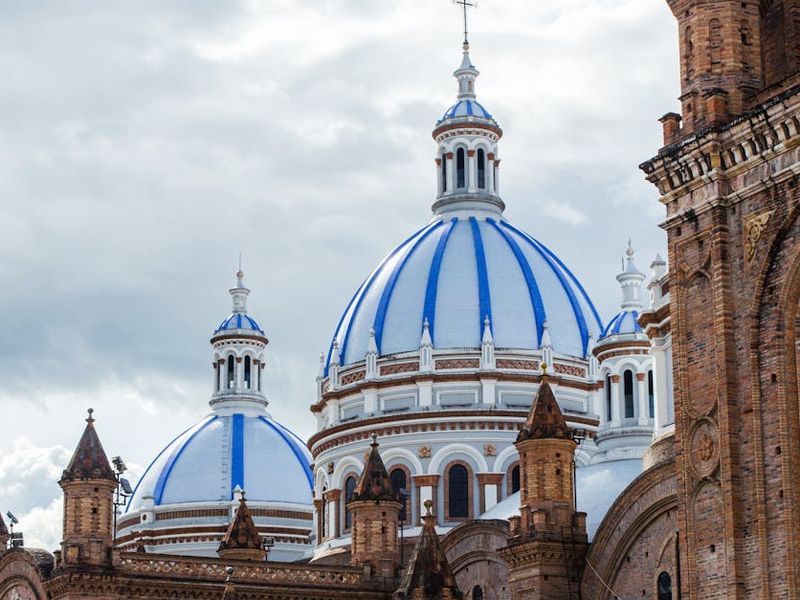
A dental vacation shouldn’t be all appointments. Cuenca’s attractions are ideal for low-impact downtime. Take slow walks along the Tomebamba River, admire the Catedral Nueva on the Parque Calderón, or browse the handcrafts in Chordeleg and Gualaceo for silver and textiles—perfect for gentle outings. If you have a longer recovery window, plan a day trip to El Cajas National Park for short hikes and scenic views, but avoid strenuous altitude changes immediately after surgery.
Coordinating with Your Home Dentist
Maintain clear communication with your regular dentist. Send them copies of the treatment plan, x-rays, and materials used so they can provide follow-up care if needed. Many successful cases involve collaboration: your home dentist handles temporary adjustments and long-term maintenance while the Cuenca clinic performs the primary restorative or surgical work.
Sample 10-Day Dental Vacation Itinerary
Here’s a practical sample itinerary for a patient getting crowns and one implant (hybrid timeline):
- Day 1: Arrival, light activities, clinic orientation and consultation, diagnostic imaging.
- Day 2: Preparations for crowns (tooth prep, impressions), temporary crowns placed.
- Day 3–4: Free days to rest, enjoy short walks, pick up medication if needed.
- Day 5: Implant surgery for the single implant (if scheduled) or additional minor procedures.
- Day 6–9: Recovery, soft foods, local sightseeing.
- Day 10: Removal of sutures (if ready), checkup, instructions for follow-up; depart or plan return visit for final restorations.
Adjust this plan based on your specific treatment and recovery speed.
Final Checklist Before You Book
- Obtain recent dental records and x-rays to send to clinics for pre-evaluation.
- Compare at least three clinics and request detailed treatment plans and cost breakdowns.
- Confirm language support, sterilization protocols, and material brands.
- Book lodging within easy distance of your clinic and arrange airport transfers if possible.
- Purchase travel insurance and ensure your medical provider signs off if you have chronic conditions.
- Prepare a post-op kit and soft-food meal plan for the first 72 hours after major procedures.
Closing Thoughts: Making a Dental Vacation Work for You
Cuenca offers a compelling mix of cost savings, competent clinicians, and a welcoming, walkable city perfect for recovery. The key to maximizing value isn’t finding the cheapest option—it’s choosing a clinic with transparent communication, documented quality, and reasonable follow-up policies, then structuring your travel so medical needs and leisure time balance. With careful planning, your dental vacation can leave you with a healthier smile and a memorable visit to one of Ecuador’s most charming cities.
Ready to start planning? Assemble your records, reach out to clinics for pre-evaluations, and map out the downtime needed to heal comfortably. The right preparation can transform a dental trip into a cost-effective, stress-minimized solution that fits both your oral health goals and your travel desires.
Adam Elliot Altholtz serves as the Administrator & Patient Coordinator of the “Smilehealth Ecuador Dental Clinic“, along with his fellow Expats’ beloved ‘Dr. No Pain‘, right here in Cuenca, Ecuador, and for purposes of discussing all your Dental needs and questions, is available virtually 24/7 on all 365 days of the year, including holidays. Adam proudly responds to ALL Expat patients from at least 7:00am to 9:00pm Ecuador time, again every single day of the year (and once more even on holidays), when you write to him by email at info@smilehealthecuador.com and also by inquiry submitted on the Dental Clinic’s fully detailed website of www.smilehealthecuador.com for you to visit any time, by day or night. Plus, you can reach Adam directly by WhatsApp at +593 98 392 9606 -or by his US phone number of 1‐(941)‐227‐0114, and the Dental Clinic’s Ecuador phone number for local Expats residing in Cuenca is 07‐410‐8745. ALWAYS, you will receive your full Dental Service in English (NEVER in Spanish), per you as an Expat either living in or desiring to visit Cuenca by your Dental Vacation, plus also to enjoy all of Ecuador’s wonders that are just waiting for you to come arouse and delight your senses.