
Table of Contents
Why Cuenca Is One of the Best Places for a Dental Vacation
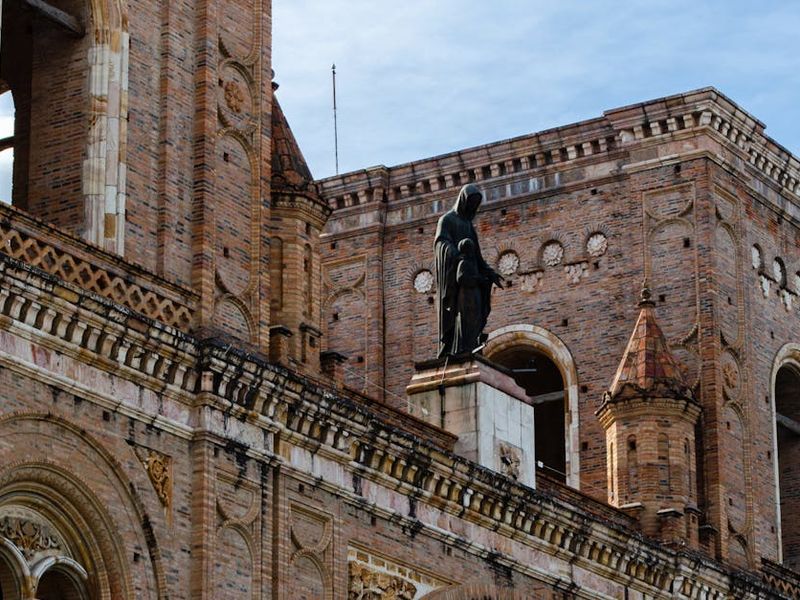
Cuenca, a UNESCO-listed colonial city in southern Ecuador, has become a top destination for dental tourism. With qualified dentists, modern clinics, and prices that are often significantly lower than in the U.S. or Canada, many travelers pair quality dental work with a scenic, culturally rich getaway. Add in Ecuador’s use of the U.S. dollar, a compact and walkable historic center, and a growing expat community, and you have a recipe for stress-minimizing dental travel.
How Dental Tourism in Cuenca Really Works
Dental tourism in Cuenca typically follows a familiar pattern: research and choose a clinic, send records ahead (X-rays, treatment history), arrive and have consultations, complete staged treatment (crowns, implants, veneers), and use buffer days for healing, adjustments, and follow-up. Many clinics can coordinate multilingual consultations, digital imaging, and same-day prosthetics thanks to local dental labs.
Advantages of Choosing Cuenca
- Lower out-of-pocket costs for major procedures.
- Highly trained dentists—many with international training or experience handling expat patients.
- Fast turnaround times due to nearby dental labs.
- Opportunity to combine treatment with cultural sightseeing and relaxation.
Choosing the Right Clinic and Dentist
Not all clinics are equal. Your decision should balance price, credentials, and clear communication. Here’s a pragmatic checklist to vet potential providers:
- Ask for the dentist’s full name, education, and license number. Dentists in Cuenca commonly belong to the provincial Colegio Odontológico; ask for membership information.
- Request before-and-after photos of similar cases and ask to speak with former patients or read Google/Facebook reviews.
- Confirm what materials and brands are used (e.g., zirconia, E.max, implant systems). Many reputable clinics will happily provide this detail.
- Ask about lab work: Is it produced in-house, at a local lab, or overseas? Local labs speed up turnaround but ensure they meet quality standards.
- Get a written treatment plan, timeline, and a clear, itemized estimate that lists materials, lab fees, and follow-up care.
- Check policies on warranties, revisions, and emergency care—know who to contact after you return home if issues arise.
Money Matters: What to Expect on Pricing
Ecuador uses the U.S. dollar, which simplifies cost comparisons and payments. While exact pricing varies by clinic and materials, Cuenca prices for common procedures are often 40–70% below U.S./Canadian rates. Example ranges (approximate; always verify with the clinic):
- Fillings: $30–$80
- Root canals: $150–$350
- Crowns: $200–$700 (materials and brand affect price)
- Implants: $800–$2,000 (depends on implant brand, bone grafting needs, and abutments)
- All-on-4/full-arch: $6,000–$12,000 (clinic-dependent)
Request a full quote in writing and compare multiple offers. Cheaper is not always better—look for transparency about materials and lab processes.
Travel Logistics: Where to Stay and How to Get Around
Choose accommodations close to the historic center (Centro Histórico) or near the clinic you select. Staying near Parque Calderón puts you within easy walking distance of many clinics, restaurants, and pharmacies. Other pleasant neighborhoods include San Sebastián (artisanal, quiet) and the banks of the Tomebamba River for scenic walks.
Airport and Transport Tips
- Mariscal La Mar Airport (Cuenca) is a short taxi ride from downtown—arrange an airport transfer through your clinic or hotel to avoid haggling.
- Taxis are inexpensive; always agree on a price or ensure the meter is used. Ride-hailing apps may be limited—confirm availability before arrival.
- Cuenca is compact—many clinics and attractions in the center are walkable. For longer trips, taxis or affordable local buses work well.
Preparing for Your Trip: What to Bring and Do Ahead
Advance preparation smooths your visit and reduces stress. Follow these steps:
- Send recent dental X-rays, photos, and a medical history to the clinic. Digital records speed up the first consultation.
- Bring a list of current medications and allergies. If you take anticoagulants or have chronic health conditions, coordinate with your physician before traveling.
- Pack a small dental aftercare kit: soft-bristled toothbrush, gentle toothpaste, antiseptic mouthwash (ask your dentist which to use), gauze, and over-the-counter pain relievers if advised.
- Carry copies of your passport and travel insurance documents; leave copies with someone at home.
- Consider ordering a CBCT or 3D scan locally if recommended. Some clinics will perform imaging on arrival.
- Plan a few relaxed days before any invasive procedure to acclimatize to Cuenca’s altitude (about 2,560 meters / 8,400 feet).
Health, Altitude and Aftercare Considerations
Cuenca’s elevation means shortness of breath and fatigue can affect even healthy visitors. Allow 24–48 hours to adjust before having major surgeries or implant procedures. Hydration, avoiding alcohol, and taking it easy are simple but effective precautions.
Aftercare instructions vary by procedure, but common tips include:
- Follow prescribed antibiotics and pain medication courses completely.
- Stick to soft foods for the first several days if you had extractions or implants.
- Keep follow-up appointments; many clinics schedule a check within 7–14 days and additional visits for crown fits or adjustments.
- Avoid strenuous exercise and high-impact activities for the recommended recovery window.
Safety and Quality Assurance
Cuenca is generally safe for travelers, and its clinics commonly serve foreigners. To minimize risk:
- Choose clinics with modern sterilization protocols—ask about autoclave use, disposable items, and aseptic workflows.
- Confirm emergency contacts and what to do in case of complications after you return home.
- Use accredited labs and reputable material brands. Ask for documentation of implant brand and serial numbers when implants are placed.
- Consider short-term medical tourism insurance that covers complications related to elective procedures abroad.
Practical After-Procedure Things: Pharmacies, Food and Support
Cuenca’s pharmacies are well stocked with prescription and OTC medicines. If you need a refill after a procedure, most pharmacies can assist quickly—bring your prescription or have the clinic call it in. Grocery stores and markets, such as Mercado 9 de Octubre in the city center, offer fresh produce for easy-to-digest meals during recovery.
If you expect to need help, consider staying in an apartment-style hotel or short-term rental with a kitchen and comfortable living space rather than a bare-bones hostel.
Combining Care with Culture: What to See During Recovery Days
Cuenca’s leisurely pace makes it ideal for combining dental care with low-key exploration. Recommended gentle activities while you’re healing:
- Stroll along the Tomebamba River and enjoy riverside cafés.
- Relax in one of the city’s many plazas, especially the picturesque Parque Calderón near the cathedral.
- Visit artisan neighborhoods like San Sebastián for ceramics, jewelry, and textiles—perfect for light shopping between appointments.
- Take a day trip to El Cajas National Park for short, low-effort nature walks—keep elevation changes in mind after surgery.
- Enjoy coffee and light meals in local cafés; Ecuadorian cuisine includes soups and soft stews that are easy to eat during recovery.
Sample 10-Day Dental Vacation Itinerary
This sample schedule balances appointments, recovery time, and leisure. Your plan will vary depending on the type and number of procedures.
- Day 1: Arrive in Cuenca, check into hotel near the center, light walking and rest to adapt to altitude.
- Day 2: Consultation and imaging (X-rays/CBCT). Receive written treatment plan and costs. Book procedures and follow-up dates.
- Day 3: Minor procedures or hygiene appointment (cleaning, fillings). Rest in afternoon.
- Day 4: Implant surgery or tooth extraction. Take prescribed meds and rest. Stay local, limited walking.
- Day 5–6: Recovery days—soft foods, local sightseeing at an easy pace (riverwalks, plazas).
- Day 7: Follow-up and impressions for crowns/abutments if needed. Possible temporary crowns fitted.
- Day 8–9: Scenic day trips or relaxed museum visits; light activity only.
- Day 10: Final fitting/adjustments (if the lab produced permanent prosthetics) or departure with a schedule for future visits.
Communication: Language and Cultural Tips
Spanish is the primary language in Cuenca, though many clinics serving foreigners have English-speaking staff. Still, learning a few dental-related phrases and having a translation app can ease communication. Be polite, patient, and clear about your goals: aesthetics, function, budget, or durability. Clear expectations reduce frustration and speed treatment planning.
What to Ask Before Booking
Before committing, get answers in writing to these essential questions:
- What is the complete treatment timeline and how many visits are required?
- Which materials, implant brands and labs will be used?
- What is included in the price (X-rays, anesthesia, lab fees, follow-ups)?
- What are the cancellation and warranty policies?
- Who is the local emergency contact and how is post-operative care handled?
Final Tips for a Successful Dental Vacation in Cuenca
Dental tourism in Cuenca can be a smart way to get high-quality dental work at a lower cost—if you plan carefully. Book conservative travel insurance, allow time for acclimatization, verify credentials and materials, and prioritize clinics that provide clear communication and written treatment plans. With good planning, you’ll return home with healthier teeth, a lighter bill, and memories of one of Ecuador’s most charming cities.
Remember: successful medical travel is less about finding the absolute cheapest option and more about balancing quality, safety and convenience so you end up with lasting results and a pleasant trip.