
Table of Contents
Why Cuenca is a smart choice for dental care
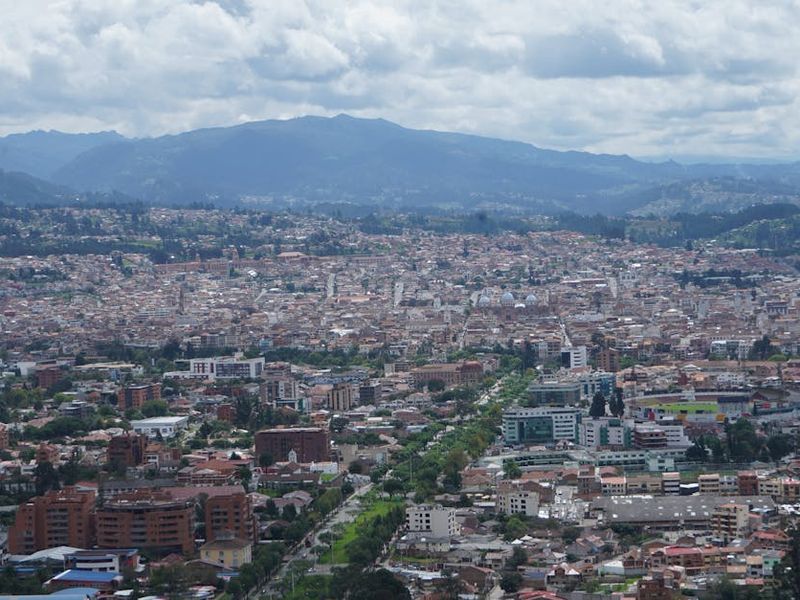
Cuenca, Ecuador blends historic charm, a large expat community, and affordable, high-quality dental services—making it a top pick for dental travelers. The city’s compact historic center, friendly bilingual staff at many clinics, and the fact that Ecuador uses the US dollar simplify logistics. Whether you need crowns, implants, veneers, or a full-mouth rehabilitation, Cuenca offers experienced dentists and modern clinics at a fraction of typical North American prices.
Beyond cost savings, Cuenca’s relaxed pace and spring-like climate are ideal for recovery. The city sits high in the Andes with a cultural richness—museums, riverside promenades, and artisan markets—so after treatment you can combine rest with gentle sightseeing. The key is planning so you get clinical quality, safety, and the most value from your trip.
Start smart: planning and first steps
Begin by defining the scope of treatment you need: cosmetic work like veneers or crowns, restorative care such as implants or dentures, or surgical procedures requiring longer recovery. Create a list of outcomes you expect, your timeline, and a preliminary budget. With those in hand, reach out to clinics for initial consultations.
Many Cuenca clinics use email and WhatsApp for preliminary communication. Share recent dental X-rays or photos if you have them. Ask whether they provide panoramic X-rays and cone beam CT scans (CBCT) on-site—these are essential for accurate implant planning and often available at modern practices in the city.
Budgeting and payments
Ecuador’s use of the US dollar simplifies pricing and eliminates exchange surprises. Dental care in Cuenca is commonly 30–70% less expensive than in the US or Canada, though exact savings depend on the procedure and materials. Ask clinics for a detailed, itemized estimate that lists materials, lab fees, and follow-up visits. Request the estimate in writing — in Spanish and English if possible — so you can seek reimbursement from your insurer if eligible.
Payment methods vary: many clinics accept cash, credit cards, and bank transfers. If paying by card, confirm whether there’s an extra surcharge. Keep receipts and detailed invoices for records and insurance claims. Also ask about warranties for crowns, implants, and prosthetics, and what post-op care is included.
Choosing a clinic and dentist
Quality varies, so vet clinics carefully. Look for dentists who have experience treating international patients, clear before-and-after portfolios, and transparent pricing. Ask about accreditations, sterilization protocols, and whether they have in-house labs or partner with local laboratories—on-site labs often mean faster turnaround for prosthetics.
Useful questions to ask prospective clinics:
- What are the dentist’s formal credentials and years of implant or cosmetic experience?
- Do you use digital imaging and CBCT for implant planning?
- Which implant brands and crown materials do you use, and can you document warranties?
- Can you provide references or reviews from international patients?
- What sterilization standards and infection-control protocols are followed?
Search for reviews on expat forums and Facebook groups focused on Cuenca expats. Firsthand patient stories are an excellent way to learn about communication, recovery experiences, and the clinic’s reliability.
Scheduling your trip and realistic timelines
Dental procedures fall into different timelines. Minor work like fillings or a single crown can be done in a few days; multiple crowns or veneers usually require 1–2 weeks. Implant treatments often need staged visits: implant placement, a healing period of several months (unless immediate-load protocols are used), followed by abutment and crown placement. When bone grafts are necessary, healing extends further.
To maximize your trip, plan a consultation and any imaging on arrival, so the clinic can confirm the treatment plan and lab work can begin. For multi-stage procedures, coordinate your first trip for surgical work and subsequent trips for prosthetic placement, or work with a clinic that can complete multiple steps during a single extended stay if clinically appropriate.
Where to stay and how to get around
Pick accommodation close to the Historic Center (El Centro) for convenient access to many clinics, pharmacies, and restaurants. Staying near Parque Calderón or along the Río Tomebamba makes walking to appointments easy and reduces transit time. For quieter stays, neighborhoods like San Sebastián offer cobbled streets and local eateries while still being close to the center.
Taxis are inexpensive, and ride-hailing apps operate in Ecuador’s larger cities, including Cuenca. Always confirm fares before leaving if you use street taxis. Pharmacies are plentiful; most meds dentists prescribe—antibiotics and analgesics—are available locally, and pharmacists are used to supporting international patients with post-op care.
Preparing your body before treatment
Cuenca’s elevation is about 2,560 meters (8,400 feet). If you live at sea level, arriving a day or two early helps your body adjust to the altitude and reduces risks such as headaches and fatigue. Stay hydrated, avoid strenuous activity in the first 24–48 hours, and discuss any chronic conditions—like hypertension or diabetes—with both your regular doctor and the treating dentist.
Bring a travel kit for oral surgery: an extra soft toothbrush, alcohol-free antiseptic mouthwash, cold compress packs, saline solution, and a list of medications and allergies. If you take routine medications, bring enough for your stay plus a few extra days in case of delays.
What to expect during treatment and recovery
On procedure day, clinics in Cuenca typically provide a clear walkthrough of anesthesia options, estimated procedure duration, and immediate post-op instructions. For implant surgery or extractions, expect some swelling and light bleeding the first 48–72 hours. Follow your dentist’s instructions on oral hygiene and pain management; many clinics will provide both antibiotics and painkillers when indicated.
Dietary restrictions are common after oral surgery. Soft foods—soups, smoothies, scrambled eggs, and mashed vegetables—are convenient and easy to find in Cuenca’s cafes and markets. Avoid hot beverages and alcohol until your dentist clears them. If you need prescription meds, local pharmacies usually carry equivalent generic versions at low cost.
Managing complications and follow-up
Minor complications like temporary numbness or mild infection are treatable; ensure you have a direct line to your dentist. Request a written summary of your procedure and all prescriptions. If you plan to return home shortly after treatment, confirm who will handle any urgent follow-ups or what to do in an emergency.
Combining tourism with recovery
Cuenca is ideal for gentle activities that don’t strain your recovery. Stroll along the Río Tomebamba, visit the ornate cathedrals at Plaza Calderón, or enjoy the artisan markets in nearby Gualaceo and Chordeleg—famous for jewelry and textiles. Museums, coffee shops, and short scenic drives (like a visit to the viewpoint at Turi) are great low-impact options.
Avoid strenuous hiking—especially in places like El Cajas National Park—immediately after dental surgery, as the altitude and exertion can exacerbate bleeding or swelling. Save high-altitude excursions for after you’ve fully recovered.
Practical tips for communication and legalities
Language can be a barrier, but many dentists in Cuenca speak conversational English; still, learning some basic Spanish phrases will help. Bring a translated copy of your medical history and a list of medications. Ask for your treatment consent forms in both languages.
Keep all paperwork: invoices, pre- and post-op notes, and photographic records. These documents are essential for insurance claims and for continuity of care if you return home or see a different dentist later.
Final checklist before you go
- Obtain a written treatment plan and itemized cost estimate from the clinic.
- Confirm whether imaging (panoramic X-ray, CBCT) is done on-site and include it before arrival if possible.
- Book accommodation near the clinic to ease post-op transport.
- Bring soft-food options and a recovery kit (mouthwash, cold packs, soft toothbrush).
- Ensure you have clear aftercare instructions, prescriptions, and emergency contact details for your dentist.
- Keep all receipts and documents for insurance reimbursement or future dental care.
Conclusion: maximize value with preparation
A well-planned dental vacation to Cuenca can deliver excellent value without sacrificing quality or safety. Start with careful research, ask the right clinical questions, plan realistic timelines for staged procedures, and give yourself time to recover in Cuenca’s calm, historic environment. With the right clinic, clear communication, and smart travel planning, you can return home with a healthier smile and memorable experiences from one of Ecuador’s most beautiful cities.