
Table of Contents
Why Cuenca Is a Smart Choice for Dental Tourism
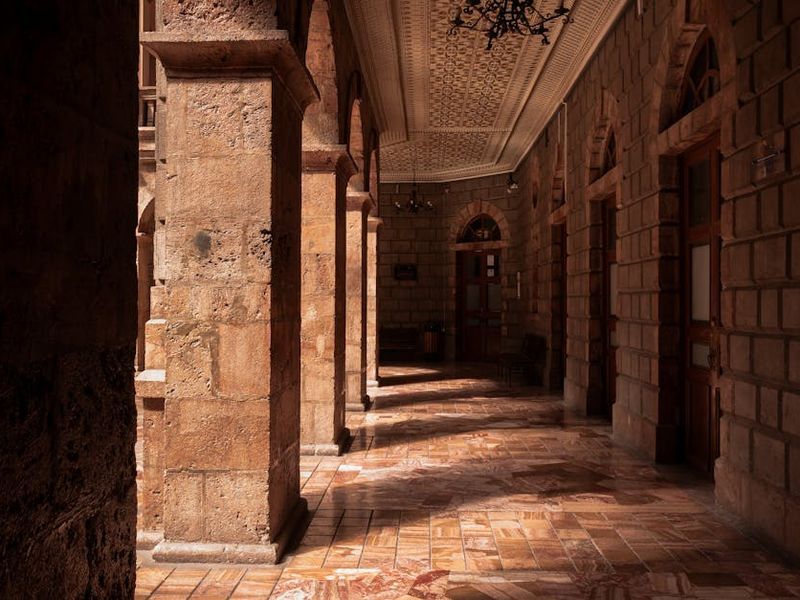
Cuenca, Ecuador, blends world-class dentistry with a charming colonial atmosphere, lower prices and convenient travel logistics. The city’s big expat community, abundance of English-speaking professionals and clinics that specialize in international patients make it an excellent destination for combining dental care with a holiday. Located in the southern highlands at about 2,560 meters above sea level, Cuenca offers temperate weather, a walkable historic center and plenty of nearby day-trip options ideal for recovery days.
Plan Upfront: The Essentials Before You Book
Pre-trip planning is the single biggest factor that determines whether a dental vacation is successful. Start with a virtual consultation: most reputable clinics offer video exams, digital x-ray review and a written treatment plan. Ask for clear pricing, a timeline with the number of visits needed, and whether a local lab or an on-site CAD/CAM unit will be used for crowns and bridges.
Documents and Medical Records
Bring a complete dental history: recent x-rays (panoramic and periapical), a list of medications and allergies, and contact details for your home dentist. Save scanned copies of your passport, travel insurance policy and any medical clearance you might need. If you have underlying conditions—diabetes, bleeding disorders or immune issues—get medical clearance before making any non-emergency bookings.
Ask the Right Questions
- What are the dentist’s credentials and international affiliations?
- Do they use brand-name implants and materials (and can they specify brands)?
- Is there a written warranty for crowns, bridges and implant work?
- What sedation or anesthesia options are available, and who administers them?
- Does the price include follow-up visits or shipping of final prosthetics?
Budgeting: Realistic Cost Estimates and Hidden Fees
One of the main draws of Cuenca is the lower cost of care—often 40–70% less than prices in North America or Europe. Typical price ranges (approximate): dental cleaning $30–$70, single crown $200–$700, implant placement $800–$2,000. These ranges vary by clinic, implant brand, and whether a custom abutment or bone graft is needed.
Watch for extras: CBCT scans, lab shipping fees, temporary restorations, and sedation charges can add up. Ask for an itemized estimate and whether clinics accept international credit cards, wire transfers or cash discounts. Many clinics will create package deals that bundle the procedure with hotel pickup and a reduced rate at a partner hotel—these can save time and money.
Timing Your Trip: How Many Days Do You Need?
Different treatments require different schedules. Here are typical timelines and suggested trip lengths:
- Cleanings, fillings, whitening: 2–3 days (1–2 appointments)
- Crowns/bridges with lab: 5–7 days (preparatory visit, temporary crown, final fit)
- Single implant: 3–7 days for placement, plus 3–6 months healing before final crown (some clinics offer provisional crowns)
- Full-arch restorations (All-on-4, All-on-6): 7–14 days for surgical and provisional phases, plus return visit for final prosthesis
When possible, schedule a consultation appointment at least a week before invasive procedures so the clinic can order parts or plan for additional treatments (e.g., extractions, bone grafting). If your treatment requires multiple visits across months, coordinate with your home dentist for interim care.
Where to Stay and How to Get Around
Stay near the Historic Center (Centro Histórico) around Parque Calderón if you want to be close to restaurants, pharmacies and clinics that cater to international patients. This area is convenient for clinics and post-op walks along the Tomebamba River. If you prefer quieter neighborhoods, consider areas near Yanuncay or a short taxi ride to the centro.
Mariscal Lamar International Airport (CUE) serves Cuenca. Taxis from the airport to central Cuenca are inexpensive; agree on a fare or ensure the meter is used. Many clinics provide airport pick-up as part of a package. Local buses are cheap and frequent, but taxis are faster when you’re limiting movement post-procedure.
Preparing for Recovery in a High-Altitude City
The Andes altitude in Cuenca affects healing for some patients. At around 2,560 meters, you may experience mild shortness of breath, fatigue or increased swelling after surgery. To prepare:
- Stay hydrated starting a few days before surgery but avoid alcohol and smoking.
- Bring a list of medications and request prescriptions for antibiotics and pain relief to take home with you.
- Avoid heavy exertion for at least 48–72 hours after extractions or implants; plan low-key activities like museum visits, gentle riverside walks and short drives.
- Consider adding a day of rest after long flights, as air travel can dehydrate and stress you before surgery.
Clinic Quality: What to Inspect on Your First Visit
On arrival, do a quick clinic audit. Cleanliness and organized sterilization protocols are non-negotiable. Ask to see sterilization areas if you’re unsure how to evaluate—reliable clinics will explain their autoclave procedures and disinfection routines. Look for digital x-rays, a CBCT scanner for advanced implant planning and on-site lab or CAD/CAM milling for same-day crowns if you want quicker turnarounds.
Communication matters. Confirm that someone will be your point person for scheduling, billing and post-op communication. English-speaking staff are common in clinics that host foreigners, but always ask if translation support is available for complex consent discussions.
Combining Sightseeing with Dental Care: Smart Itineraries
Plan low-energy sightseeing for the days following major procedures. Here are sample ideas depending on your treatment intensity:
- Minor work (cleanings, fillings): Explore the Cathedral and artisan markets in the morning, take a café break in the afternoon.
- Crowns or extractions: Schedule a light walking tour of the riverside and a relaxed visit to the Museo Pumapungo the day after a procedure.
- Implants or bone grafts: Keep the 48–72 hours strictly restful; once cleared, take short drives to Cajas National Park for gentle viewpoints rather than long hikes.
Day-trips to Gualaceo and Chordeleg showcase local weaving and silverwork; they’re perfect for a relaxed afternoon once you’re comfortable moving around. Choose activities that minimize chances of facial trauma (no horseback riding or contact sports while healing).
Aftercare, Follow-Up and Long-Term Maintenance
Before you leave Cuenca, make sure you have a written aftercare plan in English and Spanish. Typical instructions include oral rinses, dietary restrictions, and signs of infection to watch for. Request a clear schedule for follow-up visits and whether telemedicine follow-ups are offered.
Get the clinic to provide an itemized treatment summary, records of implant brands/serial numbers, and lab notes for your prosthetics. These documents are essential for warranty claims and for your home dentist to handle any future maintenance.
Safety, Insurance and Legal Considerations
Dental tourism carries risks, but you can minimize them. Buy travel medical and dental insurance that includes emergency evacuation if your plan involves extensive surgery. Verify whether your home dentist will cover corrective work should something go wrong (many won’t), and ask the Cuenca clinic about their corrective policies and warranty timelines.
Keep realistic expectations. While many patients experience excellent outcomes, minor complications like sensitivity, esthetic adjustments or temporary discomfort can occur and may require return visits. Factor the cost of a potential return trip into your budget—or ensure the clinic has a certificate guaranteeing a period for adjustments with remote oversight.
Top Practical Tips from Experienced Dental Tourists
- Bring a soft toothbrush, extra dental floss and a travel salt rinse for immediate post-op care.
- Book mid-week procedures to avoid weekend delays and allow clinics to schedule labs quickly.
- Limit alcohol for at least a week before and after invasive procedures; it interferes with healing and medications.
- Ask whether your clinic offers sedation dentistry packages and clarify who administers IV sedation and their credentials.
- Keep copies of treatment photos and x-rays; they help with remote consultations or if you need care elsewhere later on.
Enjoying Cuenca During Recovery: Food, Gentle Activities and Culture
Cuenca’s culinary scene is rich and forgiving for recovering patients. Try soft, nutritious dishes like mote (hominy), soups like locro de papa and fresh Ecuadorian coffee. Avoid crunchy or very hot foods immediately after procedures. Many cafes and museums sit within easy walking distance of the historic center, and spending afternoons watching life unfold along the rivers provides a soothing backdrop for healing.
If you’re feeling up to light excursions, Cajas National Park is a short drive with accessible viewpoints and short flat trails. Artisans’ towns like Chordeleg and Gualaceo are great for buying a piece of jewelry or textiles as a memento without strenuous activity. Most clinics will happily recommend low-impact local experiences tailored to your recovery timeline.
Final Checklist Before You Fly
- Confirm all appointments and transportation details with the clinic (airport pickup, final appointment time).
- Pack copies of dental records, prescriptions, and a written aftercare plan.
- Have local currency and an international card; check whether the clinic prefers cash or card.
- Arrange a follow-up plan with your home dentist or ensure remote monitoring with the Cuenca clinic.
- Allow an extra day after treatment before flying home when possible, or check airline policies if you must fly soon after surgery.
When planned carefully, a dental trip to Cuenca can be cost-effective without sacrificing quality or safety. Use the city’s welcoming atmosphere to recover gently, invest time in pre-trip research, and insist on clear communication and documentation from your clinic. That combination will maximize both value and peace of mind—leaving you with a healthier smile and a memorable visit to one of Ecuador’s most beautiful cities.