
Table of Contents
Why Ingapirca deserves a spot on your Cuenca itinerary
Ingapirca is Ecuador’s most important archaeological complex—where Cañari and Inca traditions meet in stone. If you are based in Cuenca, visiting Ingapirca is an accessible way to step into pre-Columbian history without a multi-day trek. Beyond the textbook value, the site offers dramatic highland landscapes, a compact museum, and a chance to support local guides and artisans from the Cañar and surrounding communities.
Quick facts at a glance
- Location: Highlands of Cañar province, north of Cuenca.
- Distance from Cuenca: roughly 70–80 kilometers; typical drive time 1.5–2 hours depending on traffic and road conditions.
- Altitude: the ruins sit in highland terrain—plan for cool temperatures and thinner air.
- Main features: the Temple of the Sun (a circular carved stone temple), Inca-style terraces and stonework, Cañari foundations, storage structures, and an on-site museum.
How the site reflects two cultures
One reason Ingapirca is so compelling is the visible layering of cultures. The Cañari people had built settlements in the area long before the Inca expansion reached the northern Andes. When the Incas arrived, they constructed the Temple of the Sun and other structures with their characteristic stone-fitting techniques, while also incorporating existing Cañari foundations and terraces. This blend makes Ingapirca an excellent place to understand how pre-Columbian societies interacted and adapted.
Getting there from Cuenca: transport options and tips
There are several practical ways to travel from Cuenca to Ingapirca, each with pros and cons depending on comfort, budget, and time.
1. Private car or rental
Driving yourself offers the most flexibility. The route north typically follows the Pan-American corridor before turning toward Cañar province. Roads are paved and in generally good condition, although weather can make driving slower. Allow 1.5–2 hours. Parking at Ingapirca is available.
2. Taxi or private driver
If you prefer not to drive, hiring a taxi or private driver for the day is convenient and often economical with a small group. Drivers familiar with the area can double as informal guides and will wait while you tour. Negotiate a round-trip rate beforehand.
3. Public bus / colectivo
Buses leave from Cuenca’s main terminal toward Cañar or Azogues. Ask the driver or conductor whether they stop at Ingapirca—some services will. This is the cheapest option but requires more patience and may add travel time due to stops. From the nearby village, a short taxi ride will carry you to the entrance.
4. Organized day tours
Many tour operators in Cuenca run half- or full-day trips to Ingapirca. Tours often include transport, entrance fees, and a bilingual guide. These are a great choice if you want background commentary and hassle-free logistics, especially if your Spanish is limited.
Best time to visit
The highland climate can be changeable. The dry season—roughly May through December—offers clearer skies and better walking conditions. Visiting midweek or early in the morning reduces crowding. For dramatic sunrise or sunset photos, plan to be at the site during golden hour, but remember the temperature drops quickly after dark.
What to expect at the ruins
Start at the small on-site museum where artifacts and interpretive panels set the scene. The museum provides context about Cañari life, the Inca occupation, and local archaeological work. From there a short walk leads to the main ceremonial area with the iconic circular Temple of the Sun. Walk the terraces, peer into storage houses (often called qullqas), and follow trails that reveal different vantage points of the complex.
Highlights within the site
- Temple of the Sun: a partially reconstructed circular stone structure with precise masonry and astronomical alignments—one of the best-preserved Inca constructions in Ecuador.
- Cañari foundations: low stone walls and platforms showing earlier settlement patterns.
- Terraces and agricultural features: evidence of ancient farming techniques adapted to highland slopes.
- On-site museum: compact but informative displays with local finds and historical explanation.
Guided vs. self-guided visits
Hiring a local guide enriches the experience. Guides explain symbolism, stonework techniques, and the social history behind the stones—stories that are hard to glean from panels alone. Many local guides are descendants of Cañari families and offer perspectives you won’t find in guidebooks. If you prefer to explore alone, plan to spend at least 2–3 hours to fully take in the museum and the main ruins.
Practical tips for a comfortable visit
- Altitude and pacing: Ingapirca sits at high elevation; walk slowly, hydrate, and avoid sudden exertion if you are not acclimated.
- Packing list: sunhat, sunscreen, sunglasses, a windproof jacket, comfortable walking shoes, and water. Bring cash for entrance, souvenirs, or snacks—card payments are not always accepted.
- Footing: paths include uneven stones and steps. Wear sturdy shoes and be cautious on wet rock after rain.
- Accessibility: the site is not wheelchair-friendly due to historic terraces and stairs.
- Photography: sunrise and late afternoon light are best for dramatic shots; a polarizing filter will deepen skies. Drone use is subject to regulations—check local rules and ask at the visitor center before flying anything.
- Restrooms and food: basic facilities exist but options are limited. Bring snacks or stop at a nearby restaurant in the village for local cuisine.
Sample day-trip itinerary from Cuenca
This sample plan helps you maximize time without rushing.
- 07:00 — Depart Cuenca by private car or tour van.
- 08:30–09:00 — Arrive at Ingapirca; start at the museum to get historical context.
- 09:00–11:30 — Explore the ruins with a guide or self-guided walk; photograph the Temple of the Sun and terraces.
- 11:30–12:30 — Lunch at a nearby comedor—try hearty highland favorites (soup, mote, and local trout or roasted chicken). For adventurous eaters, local specialties such as cuy may be available.
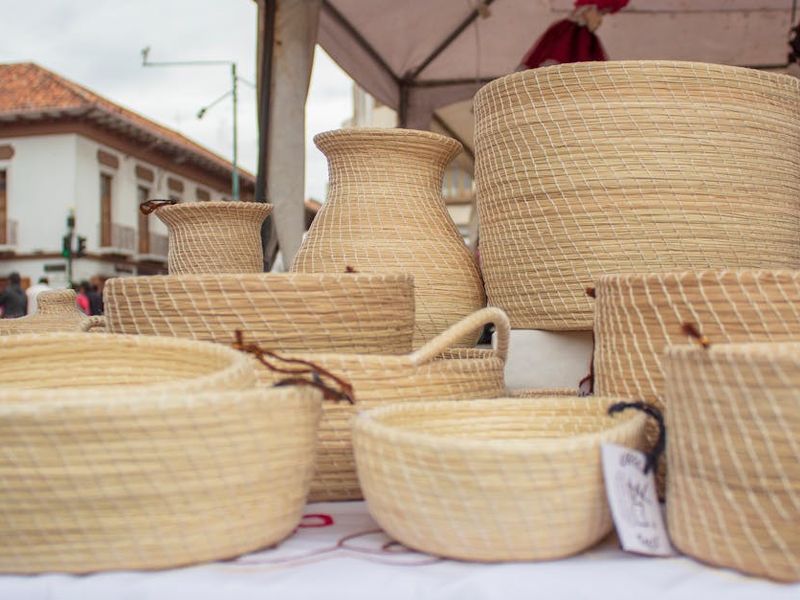
- 13:30–14:00 — Quick visit to a local craft market or roadside stalls for textiles and small souvenirs.
- 14:00–16:00 — Return to Cuenca, arriving mid- to late-afternoon with time for an evening stroll in the historic center.
Extend your trip: nearby experiences worth adding
If you have extra time, combine Ingapirca with other regional highlights. The colonial town of Cañar offers colorful markets and friendly plazas. Agricultural terraces and small highland villages nearby showcase traditional weaving and cuisine—visiting a family-run textile workshop is a rewarding way to support local artisans. For nature lovers, consider a detour to nearby mountain lakes or thermal springs that dot the Andean landscape.
Respectful travel and cultural etiquette
Ingapirca is both an archaeological treasure and a place with contemporary cultural significance. Be respectful of the site: do not climb on fragile walls, avoid removing stones or artifacts, and follow posted rules. When interacting with local people, a few Spanish phrases go a long way—simple greetings and thanks are appreciated. Supporting local guides, eateries, and craft vendors directly helps sustain livelihoods in Cañar communities.
Safety considerations
In general Ingapirca and the surrounding area are safe for visitors. Basic precautions—keeping an eye on belongings, traveling with reputable drivers or tour operators, and avoiding isolated areas after dark—will help ensure a trouble-free visit. Weather can change quickly; a sudden rain or wind may make the approach slippery. Check local forecasts before you go.
How to choose a good guide or tour
Look for guides who are registered with local tourist authorities or recommended by your hotel in Cuenca. A good guide will explain both the archaeological and cultural context, discuss current preservation efforts, and, ideally, speak fluent Spanish and conversational English. If hiring a driver for the day, confirm the itinerary and price in advance, and ask whether the fee includes waiting time.
Why the trip from Cuenca is worth it
A visit to Ingapirca connects you with layers of Ecuador’s past in a compact, accessible way. From Cuenca, the journey is manageable as a day trip but rewarding enough to linger longer. Whether you are a history buff, a photographer, an expat curious about local heritage, or a traveler seeking genuine cultural encounters, Ingapirca offers plenty to discover—stone by stone, story by story.
Final practical checklist
- Bring cash for entrance and small purchases.
- Wear sturdy shoes and dress in layers for variable mountain weather.
- Plan for 2–4 hours at the site (longer if you want to linger).
- Hire a local guide if you want deeper interpretation and cultural insight.
- Respect site rules and help preserve this shared heritage.
From easy logistics to meaningful cultural exchange, a trip from Cuenca to Ingapirca is one of the most rewarding day trips in the region—an intimate encounter with the built history of the Andes and the people who continue to care for it.