
Table of Contents
Why regular dental check-ups matter more than you might think
Routine dental visits are not just about a sparkling smile. For residents and expats in Cuenca, regular check-ups detect problems early, save money, protect overall health, and help you adapt dental care to the local environment and available services. Skipping routine care can turn a small cavity into a costly root canal or lead to systemic issues linked to gum disease.
How often should you see a dentist in Cuenca?
The general rule of thumb is a dental check-up every six months for most people. However, individual needs vary:
- Every 6 months: Routine cleaning and exam for low-risk patients.
- Every 3–4 months: People with gum disease (periodontitis) or heavy plaque should be seen more often.
- Annual or as recommended: Children, pregnant patients, or those with specific medical conditions might follow a different schedule advised by their dentist.
Talk to your dentist about a personalized schedule. Many clinics in Cuenca will recommend more frequent visits if you have risk factors such as diabetes, smoking, or a history of periodontal disease.
Signs you need to see a dentist right away
Don’t wait for your next scheduled visit if you notice: persistent toothache, swelling or abscess, bleeding gums, sudden tooth mobility, a lost crown or filling, chronic bad breath, or a jaw lock. Dental emergencies are common and many private clinics in Cuenca offer urgent slots or can refer you to an emergency facility.
What to expect during a check-up in Cuenca
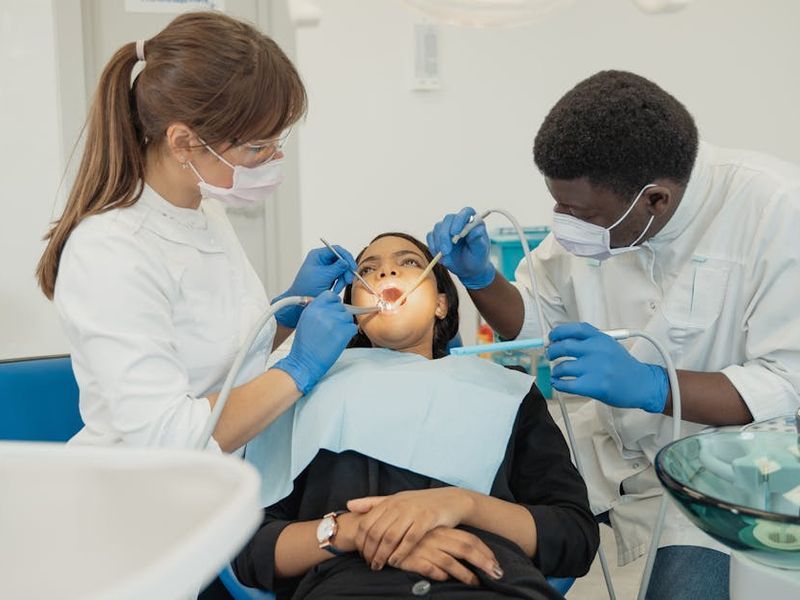
A standard dental exam usually includes:
- Medical and dental history review (bring any relevant documents or X-rays).
- Visual exam and periodontal probing to assess gum health.
- Professional cleaning (scaling and polishing) to remove plaque and tartar.
- Digital X-rays if needed to check for hidden issues.
- A personalized treatment plan and cost estimate if problems are found.
Many clinics use modern equipment like digital X-rays and intraoral cameras; ask ahead if these are important to you.
Costs: what to expect and how Cuenca compares
One reason expats choose Cuenca for dental care is cost-effectiveness. While prices vary by clinic and treatment complexity, typical private-clinic price ranges (approximate) are:
- Cleaning (limpieza): $20–$50
- Filling (obturación): $30–$80, depending on material
- Root canal (endodoncia): $80–$250
- Crown (corona): $150–$600, depending on material and lab work
- Dental implant: $700–$1,500+
Public and social security (IESS) services may offer lower-cost options but often have longer wait times. Always request a written estimate and ask whether follow-up visits and lab fees are included.
Choosing the right dentist in Cuenca
For expats, selecting a dentist involves more than price. Consider these factors:
- Language: Look for dentists or staff who speak English if you’re not fluent in Spanish. Expat community groups on Facebook or platforms like InterNations often post recommendations.
- Credentials: Ask about the dentist’s training and whether the clinic follows sterilization protocols and uses certified materials.
- Technology: Intraoral cameras, digital X-rays, and modern sterilization equipment can improve diagnosis and safety.
- Communication: A good dentist explains risks, alternatives, and long-term care plans in a clear way.
- Reviews and referrals: Check Google Reviews, local expat forums, and word-of-mouth. Visiting clinics in person to assess cleanliness and tone can be revealing.
Practical tips for expats before your appointment
Make your visit smoother with these practical steps:
- Bring any recent dental X-rays or treatment records from your home country—digital copies are handy.
- Carry your ID, insurance card (if applicable), and a method of payment—many dental offices accept cash (USD commonly used), local bank cards, and sometimes credit cards.
- Note any allergies, medications, and chronic health conditions (e.g., diabetes, hypertension) that affect dental care.
- Ask for a written treatment plan and cost breakdown before starting elective work like crowns or implants.
- Confirm language support or bring a Spanish-speaking friend for complex consent discussions.
Preventive care you can do at home in Cuenca
Daily habits make the biggest difference. At Cuenca’s altitude (about 2,560 meters), some people experience dry mouth, which raises cavity risk. Combat this and protect your oral health with these habits:
- Brush twice daily with fluoride toothpaste and a soft or electric toothbrush.
- Floss daily or use interdental brushes to remove plaque between teeth.
- Stay hydrated—dry air and altitude can reduce saliva flow.
- Reduce sugary snacks and acidic drinks; enjoy Cuenca’s fresh fruits in moderation and rinse your mouth with water after acidic foods.
- Consider a fluoride mouthwash if you’re at high decay risk or your dentist recommends it.
Special considerations: children, pregnant patients, and seniors
Dental needs change across life stages. Here’s what to keep in mind:
Children
Children should see a pediatric dentist by their first birthday or when the first tooth appears. Local family dentists in Cuenca provide fluoride varnish, sealants, and advice on thumb-sucking and diet to prevent early decay.
Pregnancy
Pregnancy increases gum sensitivity and bleeding (pregnancy gingivitis). Regular cleanings are safe and recommended; elective procedures are often postponed to the second trimester when possible. Always tell your dentist about pregnancy and coordinate with your prenatal care provider.
Seniors
Older adults may face dry mouth from medications, root exposure, and denture issues. Regular visits can prevent infections, help manage tooth loss, and ensure dentures fit properly. Many clinics provide compassionate care for mobility-limited patients.
Emergency dental care in Cuenca — what to do
If a dental emergency happens—severe pain, swelling, broken tooth—act quickly:
- Call your dentist’s emergency line if you have one. Many private clinics reserve urgent slots.
- If swelling is severe or there are breathing issues, seek emergency medical care at a hospital.
- For a knocked-out permanent tooth, rinse it (do not scrub), try to reinsert it gently, or store it in milk or saliva and get to a dentist immediately—the sooner the better.
- Over-the-counter pain relief like ibuprofen can help; avoid aspirin for bleeding concerns and consult a physician if you’re on blood thinners.
Understanding common treatments and aftercare
Knowing what to expect can ease anxiety and help you maintain results:
- Fillings: Sensitivity for a few days is normal; avoid very cold or hot foods right after treatment.
- Root canals: Expect soreness for several days; complete follow-up and final restorations (crowns) as recommended.
- Crowns and bridges: Temporary crowns are common while labs make the final piece; avoid sticky foods and report any discomfort.
- Implants: Implants require multiple visits and healing time. Ask about implant brand, warranty, and follow-up protocol.
Dental insurance, payment options, and budgeting
Expats in Cuenca may have several payment routes:
- Private insurance: Some Ecuadorian insurers cover dental care; international plans may reimburse you. Check coverage limits and preferred provider lists.
- IESS (Seguro Social): If you’re employed and contributing, some dental services are available, but wait times and service scope vary.
- Out-of-pocket: Many expats pay directly and benefit from lower local prices. Request itemized invoices for reimbursement by foreign insurers if needed.
Dental tourism and long-term care — balancing cost and continuity
Some expats schedule major work while visiting family abroad or combine local care with travel for specialized procedures. If you opt for dental tourism:
- Coordinate follow-up care—implants and crowns need periodic checks.
- Keep copies of all records and lab specifications.
- Consider doing preparatory and maintenance visits in Cuenca to build a relationship with a local dentist who can handle emergencies and routine care.
Final checklist: preparing for your next dental visit in Cuenca
Before you go, make sure you:
- Booked an appointment and checked if the clinic accepts your payment and language needs.
- Gathered previous dental records and X-rays if available.
- Know your medical history and medications.
- Asked for a written estimate for any planned treatments.
- Planned transport—some procedures may require avoiding strenuous activity afterward.
Conclusion: invest in regular care for better health and savings
Regular dental check-ups in Cuenca protect your smile, reduce long-term costs, and support overall health. With reasonable prices, modern private clinics, and a supportive expat community, it’s easier than ever to find quality care. Start with a six-month exam, build rapport with a dentist who communicates clearly, and adopt preventive habits tailored to living at altitude—your teeth will thank you.