
Table of Contents
Introduction: Dental Care Meets Vacation in Cuenca
If you’re weighing dental implants, crowns or veneers and dreading the sticker shock in the US or Canada, Cuenca, Ecuador should be on your radar. This UNESCO colonial gem has quietly become one of the world’s leading dental tourism hubs. Patients fly in for world-class dentistry, save 60–70% on procedures, and recover in a charming highland city with mild weather, great food and plenty to do between appointments.
Why Cost Alone Makes Cuenca Irresistible
Cost is the headline reason patients come to Cuenca. Typical fees for a single dental implant in the United States range widely—often $3,000–$6,000 when you include the implant, abutment and crown. In Cuenca that same comprehensive implant workflow commonly costs 60–70% less. That means many patients pay roughly $900–$1,800 per implant, including the crown, depending on materials and complexity. Crowns and veneers similarly drop from $1,000+ each in North America to a few hundred dollars in Cuenca.
Even after adding round-trip airfare, boutique hotels or medical apartments, and a few days of sightseeing, most patients still save thousands versus having the work done at home. For full-arch restorations or multiple implants the total savings can be life-changing—enough to consider upgrades like premium implant brands or extra cosmetic touches.
World-Class Dentists and Modern Clinics
Cuenca’s dental professionals are highly trained. Many dentists graduated from top Ecuadorian universities such as Universidad de Cuenca or Universidad de las Americas, and many pursue advanced training abroad in implantology, prosthodontics and aesthetic dentistry. Clinics catering to international patients also invest in ongoing certifications and international partnerships.
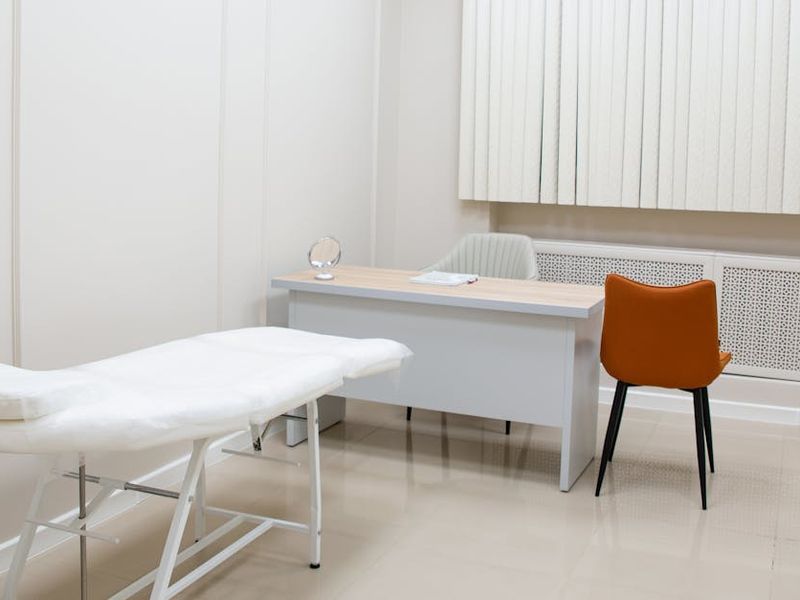
Clinics in Cuenca are modern and well-equipped: CBCT 3D imaging, intraoral scanners, digital smile design software, CAD/CAM milling, and sterilization systems that meet international standards. Many clinics use reputable implant brands like Straumann, Nobel Biocare, Zimmer Biomet and others—so you’re not sacrificing materials for savings.
Short Wait Times and Efficient Treatment Schedules
One of the most frustrating parts of major dental work at home is the wait: referrals, insurance approvals and months-long appointment calendars. In Cuenca, wait times are typically much shorter. Many clinics offer prompt diagnostic appointments—often within days of initial contact—and coordinated schedules that compress the treatment timeline without cutting corners.
For example, a common workflow might include a virtual consultation and diagnostics sent ahead, an on-site evaluation and implant placement in week one, a comfortable recovery in a nearby B&B or hotel, and final crowns or veneers a few months later. Some clinics offer immediate-load implants for qualified cases, reducing overall time to restoration.
The Healing Advantage: Cuenca’s Comfortable Recovery Environment
Recovery matters. Cuenca sits at about 2,560 meters (≈8,400 feet) above sea level and has a mild Andean climate—cool, stable days and crisp evenings—which many patients find soothing after oral surgery. The city is clean, safe, and compact; you can walk between your clinic, accommodation and Parque Calderón with minimal fuss. A relaxed environment speeds recovery: low-stress strolls around the historic centro, gentle hilltop views from Turi, and quiet afternoons in cafés contribute to physical and mental healing.
Many accommodations in Cuenca cater to dental tourists—providing kitchenette-equipped apartments for soft-diet meals, easy access to clinics, and flexible check-in for post-op needs. English-speaking staff and a large expat community also ease the transition for North American visitors.
Combine Dentistry with a Memorable Vacation
Dental work in Cuenca is not just a medical trip; it can be a restorative vacation. Between appointments you can explore the cobblestone streets of Old Town, visit artisan markets for handmade panama hats, enjoy riverfront walks along the Tomebamba, or take a day trip to El Cajas National Park for lake vistas and gentle hikes. The city’s culinary scene—fresh market produce, excellent coffee and international restaurants—makes post-op meals both nutritious and enjoyable.
Many patients plan 7–14 day stays: enough time for consultations, surgical procedures and early recovery, with room for sightseeing. Others stay longer for staged dentistry, splitting visits across months while combining each trip with new excursions in Ecuador.
Personalized One-on-One Care and Better Patient Experience
Smaller clinic volumes and a patient-focused culture mean more personalized attention in Cuenca. Dentists and staff often spend more time with patients, explaining options and tailoring care. Clinics frequently coordinate prosthetic work with in-house labs, allowing tighter quality control on crowns and veneers. Many clinics also include follow-ups and check-ins as part of the package—something often harder to secure with busy practices back home.
Language is rarely a barrier. Many dentists and staff speak English, and clinics familiar with international patients maintain clear pre-op and post-op instructions in English. If you prefer, independent translators and bilingual guides are available city-wide.
Practical Timelines: How Treatment Usually Progresses
A typical implant treatment pathway in Cuenca looks like this:
- Virtual consult and X-rays submitted beforehand for a preliminary plan.
- Arrival in Cuenca for a thorough on-site evaluation and 3D imaging (day 1–2).
- Implant placement under local anesthesia (and sedation if requested) with a short recovery period (same day).
- Soft-tissue healing for 8–12 weeks (longer if bone grafting was required). Many patients return to light sightseeing within days.
- Abutment placement and digital impressions for crowns or fixed bridges.
- Final prosthesis delivery (crowns/veneers), often within a few weeks of the abutment step.
Complex cases (full-arch reconstructions or significant bone grafting) require more planning and staged visits, but clinics will build a schedule that minimizes downtime and maximizes value.
How to Plan Your Dental Vacation: Practical Tips
- Start with virtual consultations. Many top Cuenca clinics offer online evaluations—share photos, recent X-rays and your goals to get a preliminary quote.
- Ask about implant brands, warranty and lab partnerships. Reputable clinics use recognized implant systems and have transparent warranties for prosthetics.
- Factor in travel logistics: Cuenca’s airport (Mariscal Lamar, CUE) has domestic and some international connections; many patients fly into Quito or Guayaquil and take a short domestic flight or a comfortable 3–4 hour bus ride to Cuenca.
- Book accommodations near the historic center (El Centro or near Parque Calderón) for convenience—many clinics are a short walk or taxi ride away.
- Pack medical records, medication lists and a list of questions. Save copies of your treatment plan and payment receipts for your records.
- Consider travel insurance that covers medical procedures abroad and has provisions for travel delays or extension due to medical necessity.
- Allow buffer days before returning home—most dentists recommend a few days of rest after surgical procedures to ensure safe travel.
Safety, Standards and What to Ask Your Clinic
Cuenca’s top clinics follow international infection-control protocols and often use the same dental materials and devices found in the US and Europe. When communicating with a clinic, ask for:
- Details about the dentist’s education and implant training.
- Which implant brands and materials will be used.
- Copies of before-and-after photos and patient references (if available).
- Clear post-op instructions, included medications, and the clinic’s emergency contact policy.
- Information about guarantee policies for crowns/implants and how follow-up care is handled for international patients.
Real Value: Not Just Lower Prices but Upgraded Options
The biggest reason Cuenca stands out is value. The lower baseline cost allows many patients to choose higher-end materials or additional cosmetic refinements that would be prohibitively expensive at home. Want premium zirconia crowns, custom shade-matched veneers, or a Straumann implant system? In Cuenca you can often add these upgrades and still pay far less than basic options in the US or Canada.
This value extends beyond monetary savings: the combination of attentive care, modern clinics and a peaceful recovery setting often means better patient satisfaction. Many patients return home not only with improved smiles but also with a positive travel experience—something that turns a necessary dental procedure into a restorative trip.
Common Questions from North American Patients
Is follow-up care available if I’m back home?
Yes. Top clinics provide detailed treatment records and radiographs so your local dentist can handle routine follow-up if needed. Many clinics also offer virtual check-ins and will coordinate with your local dentist if there are complications.
Are the materials and techniques high quality?
Absolutely—many clinicians in Cuenca use the same implant systems and dental ceramics used in the US and Europe. Ask about the specific brands and request documentation if you want assurance.
Is it safe to travel after implant surgery?
Most patients travel home within a few days of minor surgical procedures, but your dentist will assess your individual risk. Plan extra buffer days in case of swelling or if additional care is required.
Summary: Why Cuenca Wins as a Dental Tourism Destination
Cuenca’s combination of dramatic savings (typically 60–70% vs North America), highly trained dentists, modern clinics with cutting-edge technology, short wait times, and a serene recovery environment makes it one of the best places in the world for dental implants, crowns and veneers. The city’s accessibility, English-friendly services, and rich cultural offerings mean you can pair top-quality dentistry with a genuine travel experience.
If you’re considering major dental work, getting a few virtual quotes from reputable Cuenca clinics is an easy first step. For many patients, Cuenca delivers not just a restored smile, but a much better value—and a beautiful travel memory to boot.
Next Steps
Start by collecting your recent dental records and X-rays, then contact two or three Cuenca clinics for virtual consultations. Compare treatment plans, materials and warranties. Factor in travel and lodging, and consider scheduling a 7–14 day trip for most implant and crown workflows. With thoughtful planning, Cuenca can transform a costly dental procedure into an affordable, high-quality, and even enjoyable dental vacation.