
Table of Contents
Why banking in Cuenca is different (and easier) than you think
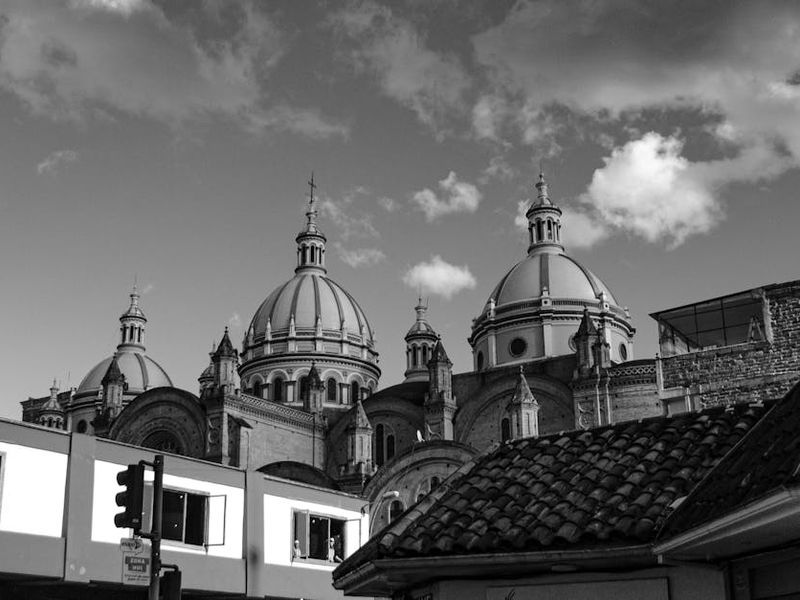
Moving your life to Cuenca brings big changes — beautiful architecture, a slower pace, and a banking system that runs in U.S. dollars. That last part simplifies some things (no currency conversions), but it also means there are special rules, documentation requirements, and local customs you’ll want to navigate carefully. This guide walks you through the practical steps to set up banking and manage your finances reliably as an expat in Cuenca.
Quick overview: what to expect before you arrive
Ecuador uses the U.S. dollar, so your accounts and cash in Cuenca will be in USD. You’ll find most major Ecuadorian banks represented here: Banco Pichincha, Banco del Pacífico, Banco de Guayaquil, Produbanco, Banco del Austro (with a strong local presence in Cuenca), and multiple cooperativas (co-ops) and microfinance institutions. Branches cluster in the historic center near Parque Calderón, along major avenues, and inside shopping malls like Mall del Río.
Still, rules vary by institution. Some banks are strict about residency and local documentation; others are more flexible but may charge higher fees. Expect to present original documents and sometimes wait for account approval while the bank performs compliance checks.
Step-by-step: opening your first Ecuadorian bank account
If you plan to stay more than a few weeks, opening a local account makes life easier: paying rent, utilities, getting a debit card, and avoiding international transfer fees. Here’s a practical checklist:
- Choose a bank or coop: Compare national banks (Banco Pichincha, Banco del Austro, Banco del Pacífico, Banco de Guayaquil) and local cooperatives. Coops can be friendlier to newcomers, but national banks often have better online banking platforms and wider ATM networks.
- Gather documents: Usually a valid passport, a copy of your visa or immigration card (if you have one), proof of local address (utility bill, rental agreement, or a letter from your landlord), and two passport-size photos. If you already have residency and a cédula de extranjero, bring it — it speeds up the process.
- Bring copies and translations: Most banks require copies of documents; bring both originals and clean photocopies. Bank staff speak Spanish — having translations or a bilingual friend helps.
- Visit a branch in person: Many banks require the account to be opened face-to-face. Mornings are less crowded; bring time for forms and identification checks.
- Initial deposit: Some banks ask for a small opening deposit. Ask ahead so you can bring cash or transfer funds.
- Get your debit card and online access: You’ll typically receive a debit card (either on the spot or mailed), and the bank will activate online banking and mobile app access once your account is set up.
Residency, cédula, and non-resident accounts — what you need to know
If you have temporary or permanent residency, you’ll receive an Ecuadorian ID card (cédula) — this makes opening accounts and accessing credit much easier. Many banks require the cédula to issue credit cards or mortgages.
Non-residents can often open limited accounts using a passport and proof of address, but rules are stricter since banks must comply with anti-money laundering laws. If you’re setting up accounts before getting residency, expect extra paperwork, longer processing times, and sometimes higher fees.
Best practices for moving money to and from the U.S. or other countries
Because Ecuador uses USD, you don’t need currency conversion, but international transfers can still be costly. Here are practical options:
- Bank-to-bank wire: Reliable but costly. Banks charge outgoing and incoming wire fees and may add a margin even for USD transfers. Ask both banks about SWIFT fees and intermediary bank charges.
- Specialized transfer services: Wise (TransferWise), OFX, and similar services often beat traditional banks on fees and exchange rates (when conversion is needed elsewhere) and provide transparent pricing. Confirm they support transfers to Ecuadorian banks in USD.
- Remittance services: Western Union and MoneyGram are available in Cuenca for fast pickup — useful for one-off transfers or visits from family.
- Cash and ATMs: ATM withdrawals from foreign cards are usually possible; use ATMs inside bank branches or malls for safety and reliability. Expect ATM withdrawal limits and possible foreign ATM fees from your home bank.
Debit cards, credit cards, and building credit in Ecuador
Most banks issue debit cards tied to your account. Credit cards are available but often require proof of local income or a longer banking history in Ecuador. If you’re new, consider these strategies:
- Start with a debit card: Use it to pay bills, groceries, and routine expenses. This builds your local banking history.
- Ask about secured credit cards: Some banks or cooperativas offer credit secured by a deposit — a way to build a credit record.
- Use international credit cards: Keep at least one reliable card from your home country for emergencies; notify your home bank of your Ecuadorian stay to prevent fraud blocks.
- Automatic bill payments and standing orders: Setting up recurring payments (utilities, phone, rent) shows consistent activity and can help with future loan or credit applications.
Managing fees, ATM withdrawals, and mobile banking
Bank fee structures in Ecuador vary widely. Before committing, ask about monthly maintenance fees, minimum balance requirements, ATM withdrawal limits, and charges for deposits and international transfers. If you’ll rely on ATM cash frequently:
- Use your bank’s ATMs to avoid surcharges when possible.
- Combine cash needs into fewer, larger withdrawals to reduce per-transaction fees.
- Check the maximum daily withdrawal limits — banks often set conservative caps for security.
Mobile and online banking are extremely useful but many apps and portals are in Spanish. Expect two-factor authentication via SMS; getting a local SIM card (Claro, Movistar, or CNT) early on is a practical move so you can receive confirmations and password resets.
Safety tips: cash, ATMs, and fraud prevention
Cuenca is generally safe, but common-sense precautions apply. Avoid flashing large amounts of cash; use ATMs inside bank branches or malls; never let anyone type your PIN; and regularly review statements for unfamiliar transactions. If your foreign card is declined abroad, call the issuing bank — many blocks are automatic if the bank detects out-of-country use.
Taxes, declaring income, and when to get professional help
Whether you become a tax resident depends on time spent in Ecuador and other factors. Tax residents must generally report worldwide income to the Servicio de Rentas Internas (SRI); non-residents are taxed on Ecuador-sourced income only. Rules change, and details like allowable deductions, social security obligations, and double-tax treaties can be complex.
Hire a bilingual accountant (contador) if you plan to work, run a business, or buy property. Local accountants can help with RUC registration (Ecuadorian tax ID for businesses and certain self-employed individuals), payroll taxes, and annual filings.
Buying property, mortgages, and financing options
Many expats buy property in Ecuador with cash, but mortgages are available through national banks and sometimes cooperatives. Requirements often include proof of income, residency or a cédula, property appraisals, and higher down payments compared to the U.S. If you’re considering a mortgage:
- Get pre-approved with a local bank to understand terms and interest rates.
- Compare offers from cooperativas — they sometimes offer competitive rates for local borrowers.
- Factor in title searches and the cost of legal advice to confirm property ownership and liens.
Alternatives to traditional banks: cooperativas, fintechs, and digital wallets
Cooperativas (credit unions) are community-focused and may be more willing to work with newcomers, though they vary in professionalism and technology. Fintechs and international digital card services (Wise debit card, Revolut alternatives) can help with day-to-day purchases and cheaper transfers. Check whether these services are accepted by local merchants and whether ATMs accept their cards.
Practical local tips and resources in Cuenca
Here are a few location-specific tips to make banking life smoother in Cuenca:
- Branches around Parque Calderón and inside Mall del Río or Plaza del Sol are convenient and familiar with expat needs.
- Banco del Austro, headquartered in Cuenca, often has strong local knowledge and branch availability in the city.
- Bring a Spanish speaker to your first visits, or find banks that have bilingual staff. Many expat-focused banks and cooperatives will work with English speakers, but availability varies by branch and time of day.
- Join local expat Facebook groups and community Meetups in Cuenca — members often share up-to-date advice on which bank branch was most accommodating and which services have recently changed.
- Open a local SIM card (Claro, Movistar, or CNT) so you can receive bank SMS and use banking apps without interruption.
Checklist: Your first 30 days of financial setup in Cuenca
Use this short checklist to get started quickly and avoid common hassles:
- Get a local SIM card and activate roaming or local data.
- Decide which bank or coop fits your needs and visit a branch with passport, visa/immigration card, proof of address, photos, and copies of documents.
- Open a basic checking (savings) account and request a debit card.
- Set up online banking and enable two-factor authentication with your Ecuadorian phone number.
- Transfer an initial test amount from your home bank using a cost-effective service (Wise, OFX) and confirm delivery.
- Notify your home bank of your move to avoid security blocks on your cards.
- Consult a local accountant if you plan to work, start a business, or buy property.
Final thoughts: balancing convenience, safety, and cost
Banking in Cuenca is manageable with a little planning. The dollar simplifies daily life, but local documentation rules, fee schedules, and language barriers can surprise newcomers. Pick a primary bank that offers a reliable app and branch network, consider a cooperative as a second option, and use modern transfer services to move money efficiently into Ecuador.
Most importantly, build local relationships early — a good local bank manager, an experienced contador, and an active expat community can save time and money. With these systems in place, you’ll be able to focus more on enjoying Cuenca’s plazas, mercados, and mountain views, and less on banking headaches.
Need-to-know links and next steps
Before you go to a branch, call ahead to confirm required documents and opening hours. Check bank websites for online appointment options, and consider carrying copies of utility bills or a signed rental contract as proof of address. If you speak limited Spanish, book a bilingual appointment or bring a translator to avoid misunderstandings.
Welcome to Cuenca — get your financial foundation set up early and the rest of your expat life will be much smoother.