
Table of Contents
Why Cuenca’s Slow Pace Feels So Different
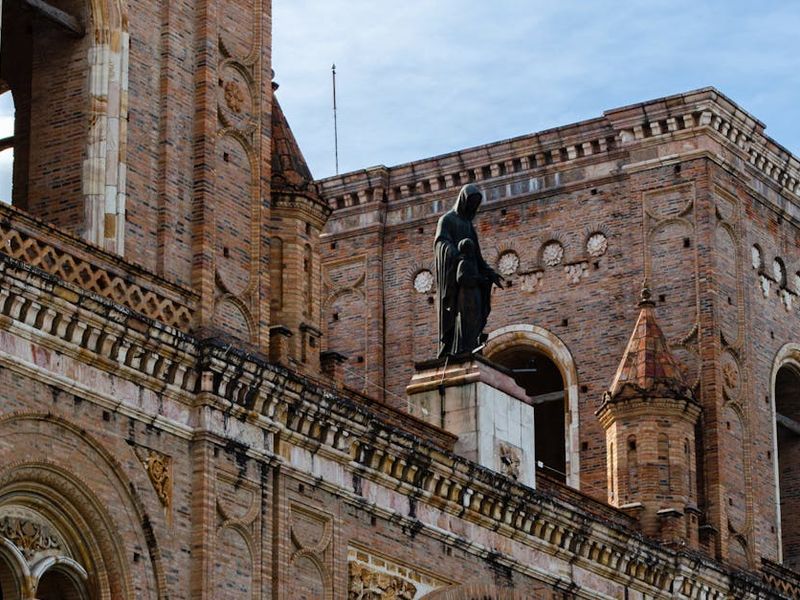
Cuenca, Ecuador—set at about 2,560 meters (8,400 feet) in the southern Andes—invites a different rhythm of life. Its UNESCO-listed historic center, the gentle flow of the Tomebamba River and the blue domes of the New Cathedral create an atmosphere that favors lingering over rushing. For newcomers used to fast urban cycles, that deliberate pace can be restorative but also disorienting. The trick is to learn how to embrace the calm without losing momentum.
Get Oriented: Learn the City’s Daily Rhythm
Before you try to change your habits, observe how locals structure their days. Shops and markets open early, many people take a longer midday break for lunch and errands, and evenings are typically more relaxed. Expect more human-faced service rather than fully automated efficiency. A few concrete points to keep in mind:
- Business hours vary—banks and government offices may close for lunch, while restaurants often stay open late.
- Many cultural events and gatherings happen in the evenings or on weekends, not midday.
- Siesta-style pauses are less rigid here than in some places, but a slower tempo is the norm.
Practical Tips to Adjust Your Daily Pace
Adapting is easier if you intentionally redesign part of your routine. Try these simple changes:
- Create a morning routine that anchors your day—walk the river, grab a coffee near Parque Calderón, or visit a neighborhood market for fresh fruit.
- Schedule appointments mid-morning when businesses are freshest and lines are shorter.
- Use slower periods for tasks that require patience: paperwork, banking, or learning Spanish.
- Plan errands around market days—fresh produce and artisanal goods are best earlier in the day.
Choose the Right Neighborhood for Your Tempo
Where you live in Cuenca affects how readily you’ll absorb the city’s tranquility. Consider these neighborhood types:
- Historic Center / Near Parque Calderón: Ideal if you want to walk everywhere, be close to cultural life and cafés, and soak the city’s ambiance. Expect more tourists and slightly higher noise levels but unbeatable walkability.
- Riverside areas along the Tomebamba: Quaint streets, riverside promenades, and easy access to parks make these neighborhoods great for slower, scenic living.
- Residential barrios outside the center: More peaceful and often more spacious, these areas can be better for families or those who want a suburban feel while still being a short drive from downtown.
Tip: Rent for a short term (1–3 months) first so you can experience daily life before committing to a longer lease.
Transportation: Move Slowly, But Reliably
Cuenca is wonderfully walkable in the center, but you’ll also rely on buses and taxis for longer trips. Learning to use these options reduces stress and helps you go with the city’s flow.
- Buses: Local buses are cheap and connect most neighborhoods. They can be slower due to traffic and frequent stops—bring a sense of patience.
- Taxis: Readily available and inexpensive for short distances—many rides are inexpensive compared to North American prices. Negotiate or confirm a fare if a meter isn’t used.
- Walking and cycling: Many streets near the center are pedestrian-friendly; riverside paths offer pleasant routes for exercise and commuting.
Practicalities: Money, SIM Cards, and Healthcare
Settling practical matters quickly lowers friction and gives you headspace to enjoy the calmer lifestyle.
Currency and Banking
Ecuador uses the US dollar, which simplifies budgeting for many expats. Opening a local bank account makes monthly bills and rent easier—bring ID, proof of address, and copies of relevant documents. ATMs are widespread, but keep some cash for smaller markets and vendors.
Phone and Internet
Major carriers provide decent mobile coverage in the city. Buying a local SIM card and a small data plan is inexpensive and helpful for maps, taxi apps, and messaging. Wi-Fi in cafés and apartments is generally reliable in the center.
Healthcare
Cuenca is known for affordable, quality healthcare. There are private clinics and public hospitals; many doctors trained internationally practice here. If you have ongoing medical needs, carry a translated summary of your medical history and prescriptions. Consider short-term private insurance initially while you evaluate longer-term options.
Food & Markets: Slow Food, Fast Friendships
One of the best ways to adjust is to engage with Cuenca’s food culture. Markets are social hubs and a great way to integrate.
- Visit fresh-food markets early for the best selection of vegetables, fruits, and regional specialties.
- Try local dishes like locro de papa (potato soup) and traditional helado de paila (handmade fruit ice cream).
- Learn a few phrases in Spanish to haggle politely and build rapport with vendors—people appreciate the effort.
Regular visits to the same vendors will get you better prices and friendly conversation, speeding your social integration.
Making Friends: Move Beyond Expat Bubbles
Cuenca has a sizable expat community, but forming local friendships is key to feeling at home and understanding the slower pace.
- Attend cultural events—concerts, artisan fairs, and religious processions are great places to meet locals.
- Take classes: language schools, art workshops, and cooking classes are social and practical ways to build routine and connections.
- Volunteering: Local nonprofits and schools welcome support and are natural ways to meet people and contribute.
- Use online groups thoughtfully: Facebook groups and Meetups are useful for initial connections, but aim for in-person meetings.
Cultural Etiquette: Small Habits Make a Big Difference
Adapting to the cultural rhythms will make daily life smoother and show respect for your neighbors.
- Greet people warmly—handshakes or a single cheek kiss are common depending on the setting; always mirror the host.
- Use formal ‘usted’ in many first-time interactions until invited to use ‘tú’—it’s a respectful default.
- Be patient with service and bureaucracy; smiling and politeness go a long way.
Managing Expectations Around Bureaucracy
Paperwork—visas, residency, licensing—often takes longer than expected. Prep in advance and plan for delays.
- Bring originals and multiple photocopies of critical documents (passport, birth certificate, police clearances) and keep digital backups.
- If applying for residency, research visa categories—retiree (pensionado), investor, professional—so you know what documents will be needed for your situation.
- Use a local attorney or relocation specialist for complex processes; their fees can be worth the time saved.
Dealing with Altitude and Climate
At over 2,500 meters, Cuenca’s altitude is noticeable for newcomers. Give your body time to acclimate by staying hydrated, avoiding heavy exertion for the first few days, and limiting alcohol intake initially. The climate is famously mild—often described as “eternal spring”—but afternoons can bring showers, especially during the wetter months (roughly October–May). Layered clothing is essential.
Design a Life That Mixes Calm With Purpose
Ultimately, thriving in Cuenca means embracing the slower tempo while keeping things you value: meaningful work, social ties, hobbies, and personal projects. Many expats find this balance by:
- Working remotely from cafés or co-working spaces that provide structure without high-pressure office culture.
- Scheduling weekly rituals—market mornings, weekend hikes, language classes—that anchor time and provide social contact.
- Volunteering or joining local clubs to stay active and engaged in the community.
Quick Checklist for a Smooth Transition
Use this list to prioritize what to set up in the first few weeks:
- SIM card and basic data plan
- Short-term rental while you tour neighborhoods
- Local ATM and small change in dollars for daily purchases
- Basic Spanish phrasebook or app
- List of preferred clinics and pharmacies
- Membership or trial at a local gym or community center
- Join one social or volunteer group
Final Thoughts: Let the City Teach You Patience
Cuenca’s power lies in its invitation to slow down—its plazas, riverside paths and markets encourage lingering and observing. Instead of resisting the calm, give yourself permission to be less productive in conventional terms and more present. Over time the relaxed lifestyle won’t feel like a compromise but a richer, steadier way to live. With a few practical choices and a gentle mindset shift, you’ll find that Cuenca doesn’t just slow you down—it helps you savor more of life.
Ready to begin? Start small: take a long walk along the Tomebamba, learn one new Spanish phrase a day, and pick a market stall to visit weekly. In the quiet rhythm of Cuenca, those tiny habits add up to a deeply satisfying life.