
Table of Contents
Why Cuenca Is a Food Lover’s Paradise
Cuenca, perched in Ecuador’s southern Andes at about 2,560 meters (8,400 ft), has more than colonial charm and red-tiled roofs—it’s a city where traditional Andean flavors meet creative modern cooking. The mix of indigenous, Spanish and coastal influences gives you everything from hearty soups and potato dishes to coastal ceviches and delicate desserts. Walk a few blocks from the Parque Calderón and you’ll run into family-run fondas, trendy bistros, riverside cafés and one of the most vibrant market scenes in the country.
How to Use This Guide
This guide covers neighborhoods, specific types of food experiences (markets, street snacks, bakeries, fine dining), practical tips for dining in Cuenca, and sample dishes to order. Whether you’re on a tight budget or planning a special night out, you’ll find concrete recommendations and useful local details so you can eat like a local.
Neighborhoods and What They Offer
El Centro and Parque Calderón
The historic heart of Cuenca is where tourists and locals converge. Around Parque Calderón you’ll find everything from quick lunchtime parlors to refined restaurants occupying restored colonial houses. This area is perfect for a mid-day llapingacho (potato pancake) or a relaxed coffee on a plaza-side terrace while watching locals pass by.
Calle Larga and the Evening Scene
Calle Larga becomes lively at night—think tapas-style plates, craft cocktails and small shared plates. It’s a good place for bar hopping and trying fusion dishes blending Ecuadorian ingredients with international techniques.
El Barranco and the Tomebamba River
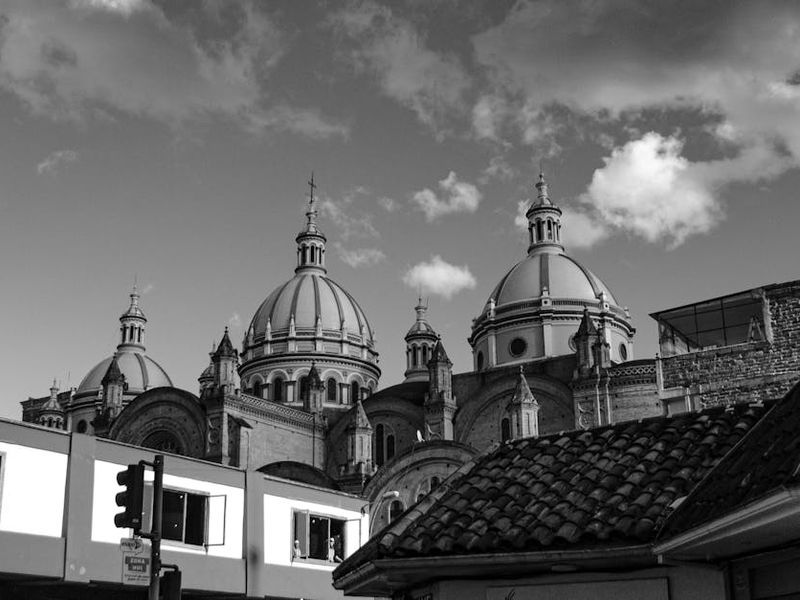
Riverside dining along the Tomebamba offers scenic views and a concentration of cafés and ice cream shops. Visit in the late afternoon to enjoy helado de paila (traditional hand-churned ice cream) overlooking the river as golden light hits the cathedral domes.
Markets: Mercado 10 de Agosto and Neighborhood Markets
For the most authentic food experiences, head to Mercado 10 de Agosto early in the morning. The market has breakfast stalls serving mote, caldo (soups), and fritada (braised pork) as well as vendors selling fresh cheese, herbs, and Andean produce. Markets are also the best place to discover local snacks and to practice your Spanish with friendly vendors.
Must-Try Dishes and Where to Order Them
Llapingachos and Locro de Papa
Llapingachos are potato patties stuffed with cheese and often served with a fried egg, sausage, or chicharrón (crispy pork). Try them at traditional lunch spots—look for places advertising “almuerzos del día” (daily lunches) near the market or in El Centro. Locro de papa, a creamy potato and cheese soup, makes a comforting starter on chilly Andean evenings.
Hornado and Fritada
Slow-roasted pork (hornado) and fritada (spiced, fried pork chunks) are staples. Small family-run restaurants and market stalls serve generous plates with mote (hominy), salad, and llapingachos. These dishes are great for sharing with a friend and cost-effectively fill you up after a morning of sightseeing.
Ceviche and Coastal Flavors
Although Cuenca is inland, ceviche is widely available and popular—particularly shrimp (camarón) ceviche served with popcorn or plantain chips. For the freshest seafood, look for restaurants that advertise daily shipments; many coastal chefs have settled in Cuenca and bring coastal flair to local menus.
Cuy (Guinea Pig) for the Adventurous
Cuy is a traditional Andean delicacy best tried at a restaurant that specializes in local cuisine. It’s usually roasted and served whole; expect strong flavors and a crispy skin. If you’re curious but cautious, ask for a small portion or an order prepared in a modern style that mellows the flavor.
Sweets and Desserts: Helado de Paila and Chocolate
Cuenca is famous for helado de paila, a frozen fruit ice cream churned by hand in a wide shallow copper pan. Street vendors and small shops offer seasonal fruit flavors—naranjilla, mora (blackberry), and tumbo are favorites. Don’t miss artisan chocolate shops that highlight Ecuador’s world-class cacao; many offer tastings and single-origin bars you can take home.
Budget Eats: Where to Fill Up for Under $6
Cuenca is friendly to budget travelers. Local markets and small fondas serve hearty lunchtime almuerzos for $2–$6—usually a soup plus a main and a drink. Mercado 10 de Agosto, neighborhood cafeterias, and street stalls along Calle Larga at lunchtime are your best bets for inexpensive, authentic food.
Mid-Range and Special-Occasion Dining
Expect to pay $8–$20 for a satisfying meal at a mid-range restaurant with a varied menu. These places often blend Ecuadorian ingredients with international techniques, offering things like slow-cooked pork with plantain puree, trout from nearby rivers, and inventive vegetarian plates. For birthdays or anniversary dinners, reserve a table at a higher-end restaurant in El Centro or near the river—many feature tasting menus or a la carte options highlighting local produce and cheeses.
Vegetarian and Vegan Options
While Ecuadorian cuisine is traditionally meat-forward, Cuenca has a growing vegetarian and vegan scene. Look for restaurants in Calle Larga and around the universities that offer plant-based takes on local dishes—think mote bowls with roasted veggies, quinoa salads, and vegan empanadas. Also, markets sell fresh cheeses and dairy-free alternatives, and many restaurants will adapt dishes on request.
Coffee Culture and Where to Sip
Cuenca takes its coffee seriously. Local roasters highlight beans from Ecuador’s coastal and Andean regions; small cafés often roast in-house and will explain the origin and tasting notes. Try a local filter coffee for a different experience than espresso-based drinks. Coffee shops along the Tomebamba and in the historic center are perfect for afternoon breaks and people-watching.
Practical Dining Tips for Visitors
- Currency: Ecuador uses the US dollar—carry small bills for market purchases.
- Payment: Cards are accepted at many restaurants, but markets and small stalls are cash-only.
- Meal Times: Lunch (almuerzo) is the main meal, typically 12–3 pm; dinner starts around 7–9 pm. Markets are busiest in the morning.
- Tipping: A 10% service charge is common in tourist restaurants; otherwise, a small tip is appreciated but not required.
- Altitude: At 2,560 m, some visitors feel mild shortness of breath. Take it easy the first day and avoid heavy, fried food if you feel lightheaded.
- Reservations: For popular weekend dinner spots and fine dining, reserve in advance, especially during high season (June–August and holiday periods).
- Food Safety: Stick to busy stalls with high turnover at markets, drink bottled water if unsure, and eat cooked foods if you have a sensitive stomach.
Food Experiences Beyond Restaurants
Cooking Classes and Market Tours
Join a market tour followed by a cooking class to learn about Andean ingredients and hands-on techniques like making llapingachos or aji de maní (peanut-based sauces). Many local chefs and culinary schools offer half- or full-day programs that include a market visit to source ingredients—great for taking skills (and recipes) home.
Food Tours and Local Guides
Guided food tours are an efficient way to sample varied flavors in one afternoon. Small-group tours often take you through markets, street-food stalls and a café, with explanations about culinary history, ingredient sourcing, and regional differences within Ecuador.
Nightlife and Late-Night Snacks
Cuenca’s nightlife ranges from relaxed riverside bars to live-music venues. Late-night snack options like empanadas de viento, bolón de verde (green plantain balls), and street vendors selling fried corn or grilled cheese are common near busy nightlife streets. If you’re out late, look for 24-hour bakeries or cafés around major plazas.
Sustainable and Farm-to-Table Options
Interest in locally sourced, organic food is growing. Several restaurants highlight farm-to-table menus using ingredients from nearby valleys—organic greens, artisanal cheeses, trout raised in mountain streams and heirloom tubers. Ask restaurants about seasonal produce and vegetarian options sourced from local smallholders.
Shopping for Local Food Gifts
Bring home flavors of Cuenca: bars of single-origin Ecuadorian chocolate, jars of Andean honey, artisan cheeses, and panela (unrefined cane sugar). Small shops near El Centro and market vendors sell beautifully packaged items—perfect for food-loving friends or souvenirs.
Sample One-Day Food Itinerary
Start early at Mercado 10 de Agosto for a breakfast of mote con chicharrón or a warm locro de papa. Mid-morning, stroll the Tomebamba and try helado de paila at a riverside shop. For lunch, pick a family fonda for hornado or llapingachos. Spend the afternoon with a coffee tasting at a local roaster. In the evening, book a table at a modern Andean restaurant for a refined take on cuy or trout, and finish with a chocolate tasting or a rooftop cocktail overlooking the cathedral.
Final Tips: Eat Like a Local
Be curious and polite—ask vendors what’s fresh that day, try a dish you’ve never heard of, and accept small portions to sample more. Learn a few Spanish phrases: “¿Qué me recomienda?” (What do you recommend?) and “La cuenta, por favor” (The check, please). Above all, savor the variety: Cuenca’s food scene is a bridge between highland tradition and creative modern cooking, and every meal tells a little of the region’s story.
Whether you’re a budget traveler seeking market meals or a foodie hunting tasting menus, Cuenca serves up an unforgettable culinary experience. Take your time, wander the neighborhoods, and let your palate guide you—some of the best meals are found down a quiet side street or in a bustling market stall.