
Table of Contents
Welcome to Cuenca’s Slow Beat
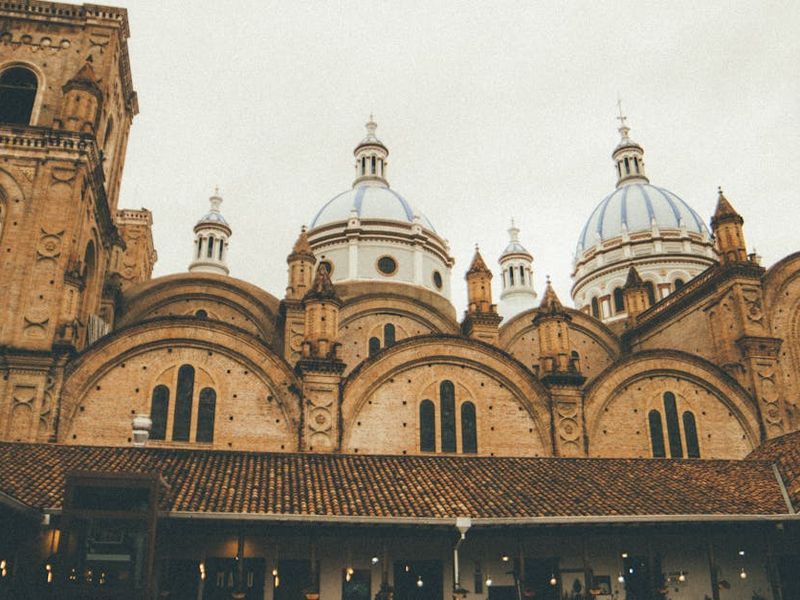
Moving to Cuenca feels like stepping into a smaller, calmer world. The UNESCO-listed historic center, the blue-domed cathedral, and the Tomebamba riverbanks set a slower tempo than many fast-paced North American or European cities. If you’re drawn to Cuenca for its relaxed lifestyle, learning how to intentionally adapt can turn culture shock into a long-term gift.
Understand What “Relaxed” Really Means Here
Cuenca’s relaxed pace shows up in many ways: business hours that favor midday breaks, service that values relationships over speed, and an everyday rhythm shaped by neighborhood plazas and river walks. It does not mean a lack of structure — hospitals, banks, and shops operate reliably — but be ready to swap expectations of instant service for a more human tempo.
Common Slow-Paced Scenes
- Restaurants that savor long lunches and close for several hours in the afternoon.
- Government offices where appointments and patience matter.
- Local markets where bargaining and friendly conversation take time.
- Small businesses that operate on personal trust rather than rushed transactions.
Reset Your Daily Routine
One of the fastest ways to feel at home is to redesign your daily schedule to match Cuenca’s flow. Start by shifting heavy errands away from early morning and late afternoon rushes. Build a leisurely mid-morning coffee break into your day, and embrace a longer lunch hour if possible.
Practical tips:
- Plan grocery runs for weekday mornings when markets are freshest and less crowded.
- Schedule doctor or bank appointments mid-week — Mondays are often busier.
- Allow buffer time for transactions — bring reading material for lines at municipal offices.
Learn the Local Social Language
Spanish is the key to unlocking Cuenca’s slower, warmer social life. Even a modest ability to ask for directions, order food, and exchange pleasantries changes interactions from transactional to personal — and locals are generous with patience and encouragement.
Practical Language Strategies
- Enroll in a local language school for conversational Spanish; many schools offer small classes geared to expats.
- Attend intercambio (language exchange) nights — a great way to meet Ecuadorians and practice in low-pressure settings.
- Use friendly forms of address: start with usted with older or unfamiliar people and switch to tú if invited.
Choose a Neighborhood that Matches Your Pace
Cuenca’s neighborhoods each have a distinct personality. The historic center (El Centro) puts you in the bustle of plazas, coffee shops, and museums. If you want friendly neighborhood life with quieter streets, look east toward residential barrios where parks, local shops, and tree-lined streets encourage slower living. Turi offers scenic views and a relaxed, small-town feel within city limits.
Housing tips:
- Walk the neighborhoods at different times of day before signing a lease to assess noise, light, and local activity.
- Ask about utilities and hot water — many homes rely on gas water heaters and can feel cool at night because of the elevation.
- Look for listings on local Facebook groups, word-of-mouth, and reputable real estate agencies — expat community pages often have timely postings.
Health, Altitude, and Practical Medical Planning
Cuenca sits at roughly 2,560 meters (about 8,400 feet). Many newcomers experience mild altitude effects: breathlessness with vigorous exertion, restless sleep, or slight headaches. These symptoms usually fade within a week or two, but give your body time to acclimate.
Health planning tips:
- Carry a basic supply of any prescription medications and copies of prescriptions during your first months.
- Research local clinics and hospitals soon after arrival and identify a nearby pharmacy. Private clinics typically have English-speaking staff, while public hospitals serve residents and IESS participants.
- Consider local health insurance options or international plans that cover care in Ecuador; many expats use a mix of private care and public services depending on needs and costs.
Slow But Safe: Navigating Daily Life
Cuenca is often described as one of Ecuador’s safer cities, but safety is about awareness as much as location. Adopt a calm, observant approach: keep valuables discreet, use a money belt or inside jacket pockets in crowded places, and get familiar with local emergency numbers and the location of the closest hospital and police station.
Getting Around
Walking is one of the joys of Cuenca: cobblestone streets, river promenades, and plazas invite exploration. Public buses are affordable and frequent; taxis are inexpensive compared to North America and Europe. Ride-hailing apps and radio taxis are widely used — always confirm fares when meters aren’t used. If you’re driving, anticipate narrow streets in the historic center and limited parking.
Embrace Community to Beat Loneliness
Slower living can feel isolating at first. Building local relationships helps you enjoy the tempo rather than resent it. Cuenca has vibrant expat meetups, volunteer organizations, language exchanges, and hobby groups that range from photography to hiking in Parque Nacional Cajas.
Ways to Connect
- Volunteer at local charities, schools, or animal shelters — volunteering provides structure, meaningful work, and locals who appreciate your time.
- Join walking and hiking groups that explore nearby natural areas, like Cajas, which is perfect for weekend day trips.
- Frequent one or two neighborhood cafes to become a familiar face — regulars and baristas often turn into friends.
Learn to Love Slow Service (and How to Deal With It)
One of the hardest adjustments is the service pace. Store clerks, bank tellers, and municipal employees may prioritize personal interaction and thoroughness over speed. Instead of frustration, try curiosity — ask questions, bring a book, or use wait time to explore your surroundings.
Helpful tactics:
- Bring patience and a smile. A kind attitude often speeds things up more than impatience.
- When time is tight, call ahead to schedule appointments or ask for priority service — many providers will accommodate with a reservation.
- Keep small bills and change for quick transactions — cash is common and helps avoid long card-processing waits.
Find Rituals That Root You
Creating small, repeated rituals anchors you in a new place. Maybe it’s a Saturday market visit for fresh fruit, a midweek language class, or an evening stroll along the Tomebamba River. Rituals provide structure in a city that values unhurried living.
Ideas to try:
- Make one café your office-away-from-home for a few hours each week.
- Join a community dance, art, or cooking class to learn local traditions and meet neighbors.
- Attend municipal and cultural events in the historic center — watching daily life around Parque Calderón is an education in itself.
Money Matters: Expect Lower Costs, But Plan Smartly
Cuenca’s cost of living is generally lower than many capitals and major cities in developed countries, particularly for housing, fresh food, and services. That said, imported goods and certain services can be surprisingly expensive. Learning to shop at local markets and choosing local brands helps your budget and deepens cultural ties.
Budget Tips
- Shop at neighborhood markets for fruits, vegetables, and locally produced dairy — quality is high and prices are modest.
- Compare private health insurance plans and consider paying out-of-pocket for small services if it’s more economical.
- Keep an emergency fund for unexpected bureaucratic needs or travel home — moving slowly doesn’t mean you won’t need speed sometimes.
Celebrate Local Time: Festivals, Plazas, and Food
One of the richest parts of Cuenca life is the calendar of cultural and religious events. Participating — even as an observer — invites you deeper into local rhythms. Weekends find families in plazas, street vendors serving local specialties, and musicians performing in small parks.
Food is a social instrument here. Try local dishes in different neighborhoods, join a cooking class focused on Ecuadorian staples, and accept invitations to share meals — Ecuadorians often express hospitality through food.
Practical Checklist for the First 90 Days
- Register with local authorities or obtain necessary residency paperwork. Learn local office hours and required documents in advance.
- Open a local bank account if you plan to stay long-term; know the documents required (passport, proof of address).
- Find a primary care doctor and a nearby pharmacy; carry a translated copy of key medical records.
- Explore English-friendly expat groups, but commit to learning Spanish and building ties with Ecuadorians.
- Create a flexible weekly routine that includes a local ritual (market visit, language class, river walk).
When the Slow Pace Feels Too Slow
There will be days when Cuenca’s tempo feels like an inconvenience. That’s normal. On those days, plan a trip: a full-day hike in Parque Nacional Cajas, a weekend at a nearby hot spring, or a bus ride to a neighboring town to reset perspective. Keep in touch with friends and family back home, and allow yourself to take breaks from immersion when you need them.
Final Thoughts: Make the Pace Work for You
Cuenca’s relaxed lifestyle is a resource if you adapt thoughtfully. Reset your expectations, invest in language and relationships, find routines that reflect the city’s tempo, and remain curious. The reward is a slower life that makes room for reflection, deeper connections, and the simple pleasures of daily living — a sunrise over the cathedral’s blue domes, a long conversation at a mercado stall, or a quiet river walk after lunch.
With patience and practical preparation, you’ll find the slow beat of Cuenca becomes not a hurdle but the rhythm that helps you thrive.