
Table of Contents
Why Spend a Week in Cuenca?
Cuenca, Ecuador’s colonial jewel set high in the Andes, rewards unhurried exploration. In seven days you can savor the city’s cobblestone streets and churches, dig into local markets, taste traditional dishes, and take short day trips to dramatic highland landscapes and artisan towns. This guide lays out a realistic, relaxed week so you get the best of history, culture, nature, and everyday life.
Practical Details Before You Go
Cuenca sits at about 2,560 meters (8,400 feet). Pack layers — mornings and nights are cool while afternoons can feel warm. The climate is famously spring-like: bring a light rain jacket for wet months and a warm sweater for evenings. Ecuador uses the US dollar, ATMs are common in the centro, and Spanish is the dominant language; a few basic phrases go a long way.
Getting There and Around
Most visitors fly into Mariscal Lamar International Airport, a short taxi ride from the historic center. Taxis are inexpensive; agree on a fare or insist on the meter. Cuenca’s compact centro histórico is wonderfully walkable. For hills and farther sights, local buses are cheap and reliable, while private day-trip shuttles and colectivos connect to nearby attractions like Cajas and Ingapirca.
Health, Safety, and Money
Altitude can affect newcomers: drink extra water, move slowly on your first day, and avoid heavy exertion until you feel acclimated. Cuenca is considered one of Ecuador’s safer cities, but petty theft can occur—use common sense, keep valuables secure, and be cautious in crowded markets. Tipping of around 10% is customary in restaurants if service isn’t already included.
Day 1 — Arrival, Stroll the Centro, and Sunset at a Mirador
Ease into your week with a slow walk around Cuenca’s heart. Start at Parque Calderón to orient yourself beneath the twin towers of the New Cathedral (Catedral de la Inmaculada Concepción). Wander the surrounding streets — admire ornate colonial facades, discover small shops selling Panama hats, and duck into a café for a coffee or hot chocolate.
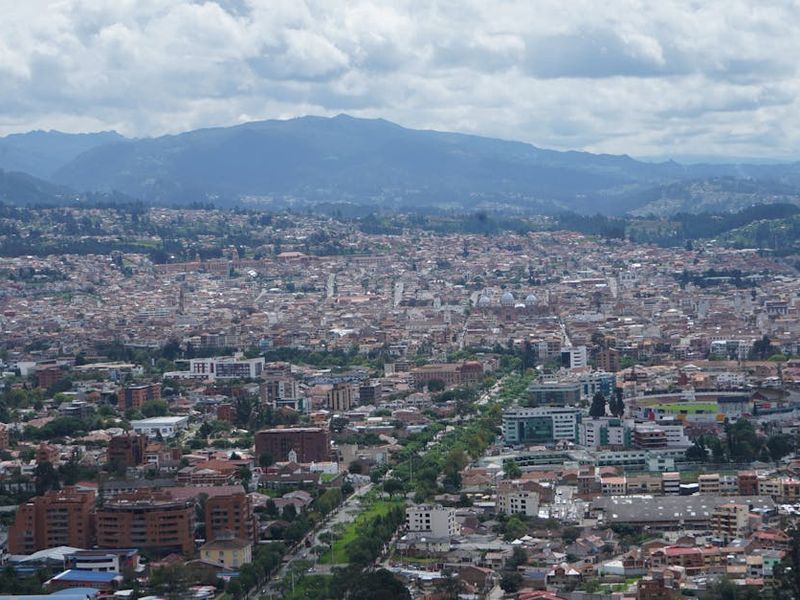
As the afternoon turns to evening, head uphill to Mirador Turi or the smaller Mirador de El Barranco to get a sweeping view of the city and surrounding mountains. The elevated vantage point is perfect for photos and to get a feel for neighborhood layouts before you dig deeper into the city.
Day 2 — Historic Churches, Museums, and Riverfront Walks
Dedicate a day to the historic core. After a morning café stop, visit the Old Cathedral and if you can, climb the New Cathedral’s tower for a closer look at the striking blue domes. Spend late morning at the Pumapungo Museum, which blends archaeology, ethnography, and a tranquil archaeological garden built on pre-Hispanic remains.
Walk along the Tomebamba River and cross its charming bridges — the riverbanks are lined with parks like Parque de la Madre and small artisan stalls. In the evening sample live music at a café along Calle Larga, the main pedestrian thoroughfare known for its restaurants and cultural energy.
Day 3 — Market Morning and a Cooking or Food Tour
Markets are where Cuenca’s food culture comes alive. Visit Mercado 9 de Octubre or the Mercado El Arenal for fresh produce, cheeses, and prepared foods. Try a plate of hornado (slow-roasted pork), mote (hominy), or a steaming bowl of locro de papa (potato and cheese soup).
Join a cooking class or food tour in the afternoon to learn how local dishes are prepared and to practice market bargaining for ingredients. This hands-on experience offers delicious takeaways: recipes, new tastes, and tips on how to order like a local.
Day 4 — Day Trip to El Cajas National Park
El Cajas National Park, roughly an hour’s drive from Cuenca, offers highland moorlands, glacial lakes, and dramatic hiking. Choose an accessible trail like one that circles several lagoons — ideal for birdwatching and panoramic views. Weather can change quickly here; waterproof layers and sturdy hiking shoes are essential.
Many day-trip operators include transport, a guide, and picnic or lunch stops. This outing is a highlight for anyone who wants nature without sacrificing comfort.
Day 5 — Artisan Villages: Gualaceo and Chordeleg
Spend a day exploring the artisan towns east of Cuenca. Gualaceo’s markets brim with locally woven textiles and everyday goods, while Chordeleg is famed for silver filigree jewelry and handmade gold and silver pieces. Both towns are great for buying authentic souvenirs and watching craftsmen at work.
Consider timing your visit around local market days for the most activity. Many travelers combine these towns with a stop at a nearby small hacienda for a traditional meal and to learn about rural life in the Azuay province.
Day 6 — Museums, Boutique Shops, and a Relaxed Afternoon
After active days, enjoy a more leisurely schedule. Visit specialty museums you may have missed — small municipal museums, art galleries, and private collections often housed in restored colonial homes give rich insight into Cuenca’s creative scene.
Spend the afternoon hunting for handcrafted Panama hats at a local taller (workshop) to see how the straw is woven and shaped. Back in the centro, treat yourself to an afternoon pastry and enjoy people-watching from one of the many plaza-side cafés. In the evening, explore the vibrant gastronomy scene: from set-menu midday meals (almuerzos) to modern fusion restaurants.
Day 7 — Optional Excursion to Ingapirca or Hot Springs; Farewell Evening
For your final day you have options: visit Ingapirca, Ecuador’s most important Inca archaeological site, for a step back into pre-Columbian history; or relax at nearby thermal baths to soothe tired legs. Ingapirca is about 1.5–2 hours away and pairs well with a stop in Cañar for lunch and scenic views.
Back in Cuenca, take a slow evening stroll, buy any last-minute souvenirs, and enjoy a farewell dinner — try cuy (guinea pig) if you’re adventurous, or stick to excellent regional specialties like fried pork, potato-based soups, and locally grown coffee.
Packing and Practical Tips for a Comfortable Week
- Clothing: Layered outfits, a warm sweater, a light rain jacket, and comfortable walking shoes are musts.
- Altitude: Stay hydrated, avoid heavy meals and alcohol on your first day, and consider acetazolamide only after consulting a doctor if you’re sensitive to altitude.
- Money & Connectivity: Bring a debit card for ATM withdrawals; many establishments accept cards. Local SIM cards from major providers like Movistar or Claro are inexpensive and easy to buy.
- Electrical: Ecuador uses 110–120V with type A/B plugs (same as the US); travelers from other regions should bring a converter and plug adapter.
- Language & Etiquette: Basic Spanish phrases are appreciated. Greet shopkeepers and neighbors with a respectful “Buenos días” and follow local customs like modest dress when entering churches.
Where to Stay — Neighborhoods and Lodging Styles
Cuenca offers a range of neighborhoods to suit different preferences. The Centro Histórico puts you within walking distance of major attractions and nightlife. For quieter mornings and tree-lined streets, look at areas south of the river like El Vergel. Boutique hotels in restored colonial homes give immersive character, while modern apartment rentals are more budget-friendly for longer stays.
When choosing accommodation, consider proximity to Parque Calderón, accessibility to public transport, and whether you prefer the bustle of the center or the calm of a local neighborhood.
Nightlife and Cultural Activities
Cuenca’s nightlife blends low-key bars, live music, and cultural performances. Calle Larga features many restaurants and small venues with live acoustic sets or jazz. For flamenco or classical concerts, check schedules at local theaters and cultural centers. Night markets occasionally pop up near plazas, offering snacks and crafts under the stars.
Responsible Travel and Respecting Local Culture
Support local artisans by buying directly from studios and fair-trade shops. When visiting indigenous communities or remote villages, ask permission before photographing people and be mindful of cultural sensitivity. Practice eco-friendly habits while exploring natural areas: stick to marked trails, pack out trash, and respect wildlife.
Final Notes — Making the Week Your Own
This seven-day blueprint balances iconic must-sees with unhurried discovery. Swap days according to your energy: if you prefer more hiking, add another day in El Cajas; if crafts fascinate you, devote extra time to Chordeleg and Gualaceo. Cuenca rewards curiosity — allow room for spontaneous detours, lingering conversations over coffee, and the small pleasures that make a city feel like a home-away-from-home.
With a week, you’ll leave Cuenca with a rich sense of place: colonial charm, a lively artisan culture, mountain landscapes at your doorstep, and plenty of memories. Buen viaje!