
Table of Contents
Why Spend a Week in Cuenca?
Cuenca is the kind of city that rewards slow travel: cobblestone streets, red-tiled cathedral domes, riverside promenades and a lively artisan scene that’s best savored over several days. One week gives you time to absorb the historic center, explore museums, hunt for local crafts, and take two memorable day trips without rushing.
Quick Practical Info Before You Go
Cuenca sits high in the Andes at roughly 2,500–2,600 meters (about 8,200 feet). Expect bright sun, cool mornings and evenings, and sudden showers during the rainy months. Spanish is the dominant language, but many people in tourism and hospitality speak enough English for basic needs.
Money and payments: ATMs and credit cards are widely available in the city. Small markets and street vendors prefer cash. Tipping around 10% in restaurants is normal when service isn’t included.
Packing and health tips
- Layered clothing: mornings can be chilly, afternoons pleasantly warm, nights cool.
- Sunscreen and a sunhat—UV is strong at altitude.
- Reusable water bottle and a small water filter if you prefer not to drink bottled water; many locals drink tap water but tourists vary.
- If you’re sensitive to altitude, take it easy the first 24–48 hours and stay hydrated.
Day 1 – Arrive, Orient and Stroll the Historic Center
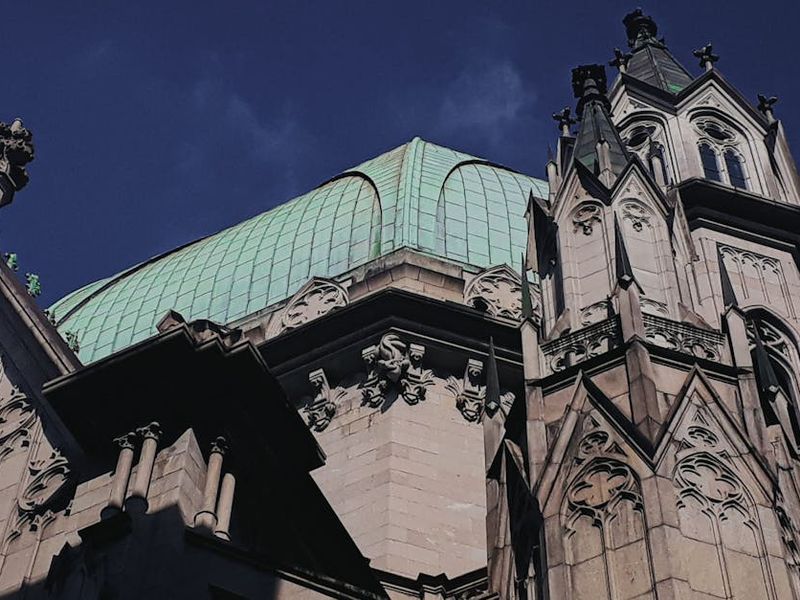
Settle into a hotel or guesthouse in the Centro Histórico near Parque Calderón for walkability. Spend your first afternoon wandering the heart of the city: Plaza de San Sebastián, the wide-bricked Parque Calderón, and the three-domed Catedral Nueva (the blue-tiled domes are iconic for good reason).
Walk down to the Tomebamba River in the late afternoon—the riverside promenade lined with boutiques and cafés is perfect for people-watching. For dinner, try a cozy local restaurant and order a plate of hornado (slow-roasted pork) or llapingachos (potato patties) to ease into local flavors.
Day 2 – Museums, Inca Traces and an Ethnobotanical Garden
Start at Museo Pumapungo, adjacent to the Panecillo-like ruins inside town. Pumapungo combines a small archaeological site with ethnographic exhibits and an impressive ethnobotanical garden showcasing Andean crops and plants. It’s a compact introduction to the region’s pre-Columbian and colonial history.
In the afternoon visit the Museo de las Conceptas or the Museo Municipal for religious art and local history, then climb up to a rooftop café for a sunset view over the cathedral domes. Evening recommendation: seek out a small live-music venue—Cuenca has an active local scene with jazz, Andean folk and contemporary bands.
Day 3 – Markets, Cooking Class and Artisan Shopping
Begin your day at Mercado 9 de Octubre (or another central market) to sample fresh fruit juices, empanadas and local specialties like mote pillo. Markets are also the best place to try helado de paila—hand-churned sorbet made in a copper pan and often sold by street vendors.
Book a half-day cooking class with a local chef to learn Ecuadorian comfort food: how to make llapingachos, aji (a spicy salsa), and a classic dessert. Use the afternoon to explore artisan shops around Calle Larga and the riverside artisan market for Panama-style hats, woven textiles, and filigree silver jewelry. If you’re hunting for high-quality handmade goods, artisans in nearby Chordeleg (a day trip option you can book from Cuenca) are famous for silverwork.
Day 4 – Day Trip to El Cajas National Park
El Cajas National Park is a short drive from Cuenca and a must for hikers and nature lovers. Rugged highland moorlands, peat bogs and dozens of glacial lakes create dramatic scenery. Popular short hikes take 2–4 hours and often pass jewel-like lagunas. Weather can change fast; bring waterproof layers.
Tips for the park: start early, dress warmly, bring snacks and water, and ask your driver or guide about trail conditions. If you’d like to extend your trip, some operators combine El Cajas with visits to rim viewpoints and small Andean communities.
Day 5 – Day Trip: Ingapirca or Artisan Villages (Chordeleg & Gualaceo)
Choose between archaeological and cultural day trips. Ingapirca is Ecuador’s most important Inca site—stonework and sun temple ruins set in a dry valley offer a fascinating contrast to the high paramo. Alternatively, head to the Río Paute valley where Chordeleg and Gualaceo specialize in filigree silver, ceramics and textiles. These villages are ideal if you want to buy directly from makers.
Both options are available as guided tours or private transfers. Expect roughly 1.5–2.5 hours of driving each way; a guide adds context and local knowledge but independent travel is possible with planning.
Day 6 – Turi Viewpoint, Neighborhoods and Slow Afternoon
Take a morning taxi up to Mirador de Turi for sweeping views of the city. There’s a little craft market and several cafes; it’s an excellent place for photos and to get a sense of how Cuenca fits into the surrounding river valleys.
After returning to town, spend a slow day exploring neighborhoods away from the tourist core. Walk the quieter streets along the Yanuncay and Tomebamba rivers, pop into small galleries, and enjoy a long lunch in one of the riverside restaurants. For the evening, try a rooftop bar to toast your week with a glass of Ecuadorian wine or a craft cocktail.
Day 7 – Flex Day: Relax, Last-Minute Shopping and a Cultural Performance
Reserve your final day for whatever sparks joy: one more museum, an extra market run to buy gifts, or a spa treatment. Cuenca often has cultural events—opera, theater, and concerts—check local listings and book a show for your last night. If your flight is late, consider a final sunset walk along the river and a farewell dinner tasting local specialties.
Food & Drink: Where to Eat and What to Try
Cuenca’s gastronomy blends Andean staples with fresh market produce. Must-try dishes include hornado (roasted pork), cuy (roasted guinea pig for adventurous eaters), llapingachos, and fresh ceviche in a slightly different highland style. Seek out small family-run restaurants and market stalls for the most authentic flavors.
Cafés are excellent throughout the city; Ecuador produces great coffee, and you’ll find specialty coffee shops in the center. For a sweet treat, hunt down helado de paila and try a chocolate tasting—Ecuadorian cacao is world-class and local chocolatiers often offer samplers.
Getting Around: Practical Transport Tips
Cuenca is walkable, especially the historic center and riverfront. Taxis are inexpensive and easy to hail; insist on the meter when possible or agree on a price before you go. Local buses cover the wider city and are very cheap—keep small bills or coins handy. For day trips, most hotels can arrange private drivers or you can book group tours through licensed operators.
Car rentals are an option if you prefer independence, but narrow streets and limited parking in the historic center make walking-plus-taxis a simpler choice for most visitors.
Safety, Etiquette and Useful Spanish
Cuenca is considered one of Ecuador’s safer cities, but petty theft and pickpocketing can happen in crowded places. Use common-sense precautions: keep valuables secure, don’t flash expensive gear, and be cautious at night in poorly lit areas.
Basic Spanish phrases go a long way: a friendly “buenos días” or “gracias” opens doors. Ecuadorians appreciate polite, formal address—using “usted” with new acquaintances is common. Being respectful in churches and markets will earn smiles and helpful service.
Budgeting Your Week
Cuenca is more affordable than many North American or European cities. Costs depend on style: budget travelers can find dorm beds and cheap eats, while mid-range travelers enjoy comfortable hotels, guided day trips and restaurant meals without breaking the bank. Expect to pay modest fees for museums and small sums for daily transport. Day trips with guides and entrance fees will be one of your larger single expenses.
Seasonal Considerations and Events
Cuenca experiences a wet season and a drier season. The June–September months tend to be drier—ideal for hiking at El Cajas—while the rainy season brings lush landscapes but more unpredictable trail conditions. The city hosts cultural activities and festivals throughout the year; check local calendars if you want to time your visit for a concert, artisan fair or religious procession.
Final Tips for a Perfect Week
Balance is key. Mix half-days of museums or market wandering with full-day outings to El Cajas, Ingapirca, or artisan towns. Allow slow mornings and unplanned afternoons—some of the best travel moments come from taking a seat in a small café, watching local life unfold, and chatting with shopkeepers and makers.
Respect the altitude, pack layers, and taste everything you’re curious about. With seven days you’ll leave Cuenca having seen its highlights and with time for the unexpected—a local concert, a new favorite café, or a handcrafted keepsake made by a Cuenca artisan.
Useful Checklist Before You Leave
- Confirm day-trip bookings and pick-up times the day before.
- Carry small bills and coins for markets and buses.
- Download an offline map and a phrasebook app for Spanish.
- Keep copies of your passport and travel documents in a separate bag.
- Leave room in your luggage for purchases—textiles and silver take up space!
Enjoy your week in Cuenca—the city rewards curiosity, slow walks and a willingness to explore both its streets and the landscapes that surround it.