
Table of Contents
Welcome to Cuenca: What Makes the City Special
Cuenca, Ecuador blends colonial charm, a lively cultural scene, and an unexpectedly comfortable climate high in the Andes. For first-time visitors the compact historic center, friendly locals, and nearby natural wonders make it ideal for a relaxed first trip. This guide gives practical, on-the-ground advice so you know where to go, what to pack, and how to move around like a confident traveler.
Quick Practical Facts Before You Arrive
Cuenca sits at roughly 2,560 meters (about 8,400 feet) above sea level. The official currency is the US dollar, and Spanish is the language you’ll hear most often. The city enjoys a spring-like climate year-round: mornings and evenings are cool, afternoons can be pleasantly warm, and there are short, often heavy rain showers depending on the season.
Important reminders
- Passport and printed reservations make immigration and check-ins easier.
- Carry small denominations of cash for markets and taxis.
- Download an offline map and a few Spanish phrases — most people in tourism can help in English, but basic Spanish opens doors.
Getting There and Getting Around
Most international travelers fly into Quito or Guayaquil and take a domestic flight to Cuenca’s Mariscal La Mar Airport. Buses from Guayaquil and Quito are comfortable and scenic, but plan for longer travel time. Once in Cuenca, the compact layout and pedestrian-friendly historic center make it easy to explore on foot.
Local transport options
- Buses: Inexpensive and extensive. Expect fares to be very cheap and routes to crisscross the city. Buses are ideal for short trips but can be crowded during rush hours.
- Taxis: Affordable and convenient. Use registered taxis with visible license numbers or call a radio taxi service, especially after dark. Agree a price or ask the driver to use the meter for longer rides.
- Ride-hailing apps: Occasionally available but not always reliable. If you rely on apps, have a local backup plan.
- Walking and biking: The historic center is best enjoyed on foot; riverwalks along the Tomebamba are lovely for easy walks.
Where to Stay: Neighborhoods and What to Expect
Picking the right neighborhood depends on your priorities. If you want to be in the middle of the action, choose a place in or near the Centro Histórico. If you prefer quieter residential streets, look to neighborhoods that line the river or the hills above the city.
Neighborhood breakdown
- Centro Histórico: cobblestone streets, colonial architecture, and easy walking distance to plazas, churches, restaurants, and museums. Expect more noise and higher prices but superior convenience.
- Río Tomebamba and adjacent residential areas: scenic river views, parks, and a slightly quieter pace while still being close to downtown.
- El Batán and Av. de las Américas corridor: more modern apartment buildings, larger supermarkets, and a suburban feel. Good for longer stays.
Money, Costs, and How to Pay
Because Ecuador uses the US dollar, you won’t need currency exchange if you arrive with USD. ATMs are widespread in Cuenca, but smaller shops and markets often prefer cash. Credit cards are accepted in many restaurants and hotels, yet some local vendors are cash-only.
Tips for handling money
- Notify your bank before travel so your cards are not blocked for foreign transactions.
- Withdraw larger amounts to reduce ATM fees; carry smaller bills for street vendors and taxis.
- Look for ATMs inside banks or shopping centers for better safety.
- Restaurants may add a service charge; otherwise a 10% tip is appreciated but not mandatory.
Food, Drink, and Where to Eat
Cuenca’s food scene is a delightful mix of traditional Andean dishes and contemporary cafes. Don’t miss local specialties and the bustling markets where you can eat well for very little money.
Local dishes to try
- Hornado: slow-roasted pork, often served with mote and corn.
- Mote pillo: hominy with scrambled eggs and spices — a popular breakfast option.
- Fritada: fried pork served with plantains and potatoes.
- Empanadas, soups, and the hearty churrasco are widely available.
For street food, explore the market stalls and small family-run eateries (comedor) near the central plazas. If you prefer higher-end dining, the historic center and riverwalk host several restaurants focusing on modern Ecuadorian cuisine.
Markets and Shopping: Where to Find Local Goods
Visiting markets is one of the best ways to connect with local life. Look for fresh produce, artisanal textiles, handmade jewelry, and excellent local chocolate and coffee for souvenirs.
What to buy
- Handwoven scarves and blankets from the highlands.
- Silver jewelry from nearby gold- and silversmith towns.
- Locally produced chocolates and coffee beans as gifts.
- Local cheeses, fresh fruit, and homemade preserves.
Health, Altitude, and Safety
At 2,560 meters altitude, Cuenca is high enough to affect some visitors. Common symptoms are shortness of breath, fatigue, and mild headache. Stay hydrated, take it easy for the first day, and avoid strenuous hiking immediately after arrival.
Health and safety practicalities
- Travel insurance that covers medical evacuation is a sensible precaution.
- Bring basic medications and any prescriptions in original packaging. Pharmacies are common in Cuenca, but having familiar brands helps.
- Tap water in many parts of Cuenca is treated and used locally. If you prefer, drink bottled or filtered water — especially if you have a sensitive stomach.
- Practice common-sense safety: keep valuables out of sight, use hotel safes for passports and large sums of cash, and avoid risky behavior late at night.
Cultural Tips and Etiquette
People in Cuenca are friendly and polite. A few simple gestures make interactions smoother and more rewarding.
Helpful social customs
- Greet people with a handshake and a warm “buenos días” or “buenas tardes.”
- Using formal pronouns at first (usted) shows respect; locals will invite you to use tú if appropriate.
- Learn a few phrases in Spanish — thank you, please, and asking for the bill go a long way.
- Dress modestly when visiting churches; avoid beachwear in the city.
Top Sights and Low-Key Experiences
Cuenca has both must-see attractions and quieter corners to savor. Balance your days between the classic sights and slow explorations.
Must-see highlights
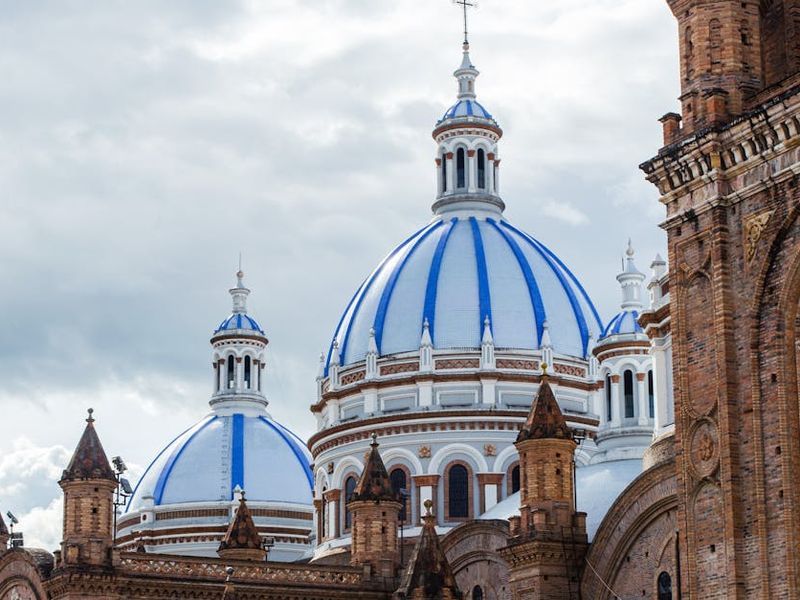
- Parque Calderón and the Cathedral: the heart of the city with impressive blue domes and lively street life.
- Museo Pumapungo: pre-Columbian artifacts and beautiful gardens near the historic center.
- Mirador Turi: a viewpoint overlooking all of Cuenca, especially pretty at sunset.
- Tomebamba Riverwalks: a peaceful stroll along colorful houses and footbridges.
Great day trips
- Cajas National Park: glacial lakes, hiking trails, and surreal Andean landscapes about an hour from Cuenca. Pack layers and rain gear.
- Ingapirca ruins: the best-preserved Inca site in Ecuador, north of Cuenca, ideal for history buffs.
- Artisan towns like Gualaceo and Chordeleg: famous for textiles and silverwork — perfect for shopping and meeting makers.
Packing Essentials for Cuenca
Pack for layers and comfort. The weather can change quickly and the sun at altitude is intense, even when it’s cool.
Recommended items
- Lightweight waterproof jacket and a warmer layer for evenings.
- Sunscreen, sunglasses, and a hat for sunny afternoons.
- Comfortable walking shoes — cobblestones and steep streets are common.
- A small daypack for water, snacks, and a camera.
- Portable charger and adapters for electronics; electrical outlets use North American-style plugs.
Final Tips to Make Your Trip Easier
Move at a relaxed pace and give yourself time to adjust to the altitude and the rhythm of the city. Ask locals for recommendations; many small restaurants and stores are family-run and don’t focus on tourists but offer the best experiences.
Last-minute practicalities
- Make reservations for popular tours or restaurants during high season (June–September and holiday periods).
- Carry a photocopy or a photo of your passport, and leave the original in a hotel safe when possible.
- Learn a few local phrases and the basic numbers so you can handle money and transit more easily.
Cuenca rewards travelers who take time to explore slowly: sip coffee in a park, wander the river paths at dusk, and get pleasantly lost in the colonial streets. With these practical tips you’ll be better prepared to enjoy the city like a local instead of just ticking boxes on a checklist.
Buen viaje — and enjoy discovering Cuenca’s combination of culture, cuisine, and Andean landscapes.