
Table of Contents
Quick overview: Why timing matters in Cuenca
Cuenca’s pleasant mountain setting makes it a year‑round destination, but choosing the right time of year will shape your experience. Weather, festivals, crowds and outdoor-access conditions all vary by season. This guide helps you weigh tradeoffs—sunny hiking days vs. green landscapes, lively festivals vs. quieter streets—so you can plan a trip that matches your priorities.
Cuenca’s climate in a nutshell
Cuenca sits at about 2,560 meters (roughly 8,400 feet) above sea level, in Ecuador’s southern highlands. That elevation keeps temperatures mild: daytime highs often range from 16–22°C (60–72°F) while nights can dip into the single digits Celsius (40s–50s °F). The city has a distinct wet season and a drier season, not extreme hot or cold swings.
Broadly speaking, June through September tends to be the driest and sunniest stretch, while October through May brings more frequent rain showers and cloud cover. But even on rainy months you can expect pockets of sun and many clear mornings—so don’t rule out a visit in the shoulder seasons.
Season-by-season breakdown
Dry season (best for hiking): June–September
This is the most popular time for outdoor activities. Trails in El Cajas National Park and surrounding páramo are usually clear and views are crisp. Expect more sunny days, cooler nights and lower humidity. Because this is high season, popular hotels and tour operators can fill up, especially in July and August.
Shoulder months (balance of price and weather): September–November
Late September and October are transitional. You’ll see fewer tourists and still decent weather early in the window, though afternoon showers creep back in. November brings a major civic celebration (Independence Day events typically on November 3), which can be an excellent cultural moment to visit if you don’t mind a busier city.
Wet season (lush landscapes): December–May
These months bring more frequent rains—often afternoon thunderstorms or showers lasting an hour or two—but also vivid green hills, flowering plants and fewer crowds. December contains holiday visitors around Christmas and New Year’s, and Easter/Semana Santa (timing varies) is another busy period with domestic travel. Birdwatchers and photographers who love dramatic skies often prefer the wet months.
What to expect month by month
Here’s a compact month-by-month guide to help you fine-tune plans:
- January–March: Rainy spells are common; good for lower rates and green scenery. Carnival (February) may bring local festivities.
- April: Often wet; Semana Santa (Easter) is a peak domestic travel time with religious processions and family gatherings.
- May: Still rainy but slightly less intense; quieter and good for cultural sightseeing.
- June–August: Dry, sunny and cool—ideal for hiking and photography. High season; book ahead.
- September: Crisp, fewer visitors, excellent deals and good conditions for walking the historic center.
- October–November: Showers return; November’s civic festivities are lively and colorful.
- December: Holiday crowds around the end of year; weather mixes sun and rain.
Top activities and the best times to do them
Hiking and El Cajas National Park
Visit El Cajas in the dry months (June–September) when trails are less muddy and mountain lakes offer mirror reflections. If you come in the wet season, choose early mornings for hikes—clouds and rain typically build in the afternoon.
Birdwatching and wildlife
Birdlife is active year‑round, but the wet season brings abundant flowers and fruit that attract more species. If you’re aiming to spot hummingbirds and highland endemics, travel in the shoulder and wet months and hire a local guide for the best results.
Historic center and city life
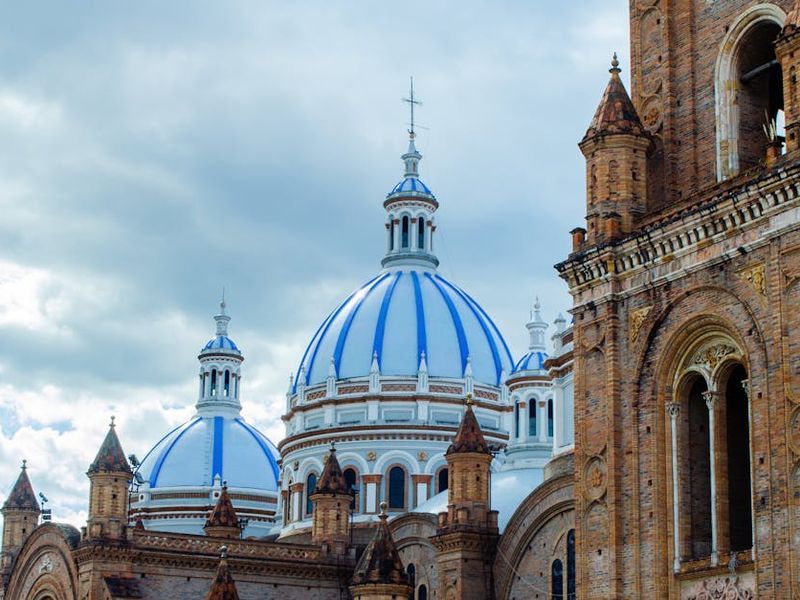
Cuenca’s UNESCO‑listed historic center—dominated by the imposing blue domes of the New Cathedral and crisscrossed by the Tomebamba River—is enjoyable anytime. Wander on cooler dry-season mornings or explore museums and cafés during an afternoon shower in the wet months—the weather often creates charming atmospheres for museum hopping.
Festivals and cultural timing
Timing a visit around festivals can make a trip unforgettable. A few highlights to consider:
- Semana Santa (Easter): Elaborate religious processions and local traditions; domestic tourism makes the city lively.
- Independence Celebrations (early November): Parades, concerts and civic events celebrate Cuenca’s history—ample photo opportunities and street food.
- Christmas & New Year: Festive decorations, live music and family gatherings; hotels may book up early.
Check exact dates for movable feasts like Easter, and expect local cultural programming to vary year to year.
Packing essentials for Cuenca by season
Layering is the golden rule—temperatures swing from chilly mornings to warm afternoons and back to cold nights.
- Light fleece or sweater for mornings and evenings
- Waterproof jacket or compact umbrella (wet season essential)
- Comfortable walking shoes with good grip (Cobblestones and wet trails)
- Sunscreen and wide‑brimmed hat—UV is strong at altitude even on cloudy days
- Reusable water bottle and basic first-aid (altitude symptoms are usually mild)
- Plug adapter and a power bank—many small cafés are digital‑friendly but sockets can be scarce in markets
Health, altitude and safety tips
At 2,560 meters you may feel shortness of breath or mild fatigue on your first day—this is normal. To acclimatize quickly:
- Drink plenty of fluids and avoid heavy exertion on arrival day
- Limit alcohol for the first 24–48 hours
- If you have heart or respiratory conditions, consult your doctor before travel
- Consider travel insurance that covers mountain rescue or medical evacuation if you plan high-altitude treks into El Cajas
General safety in Cuenca is good compared to many major cities, but use normal precautions against petty theft—watch your belongings in crowded markets and avoid poorly lit streets late at night.
Getting there and getting around
Cuenca’s Mariscal La Mar Airport (CUE) connects with Quito and Guayaquil and has flights from international carriers via those hubs. Long-distance buses from Quito or Guayaquil are frequent and comfortable; travel time varies but expect 8–10 hours by road depending on stops and traffic.
Once in the city, the historic center is wonderfully walkable. For longer trips, taxis are affordable and widely available; ride‑hailing apps operate in Cuenca but availability can change—ask locally. Renting a car gives flexibility for exploring rural valleys and El Cajas but be prepared for narrow mountain roads and occasional heavy rains.
Where to stay depending on the season
If you want to be in the middle of the action, book accommodation around Parque Calderón or along the Tomebamba River—close to museums, cafés and the cathedral. For quieter stays, choose neighborhoods a short taxi ride away where you’ll find family-run guesthouses and newer apartments with scenic terraces.
During high season and festival weeks, reserve at least a month ahead if you want a specific hotel or a historic‑center boutique property. In shoulder and wet months, you’ll find better rates and greater flexibility for last-minute bookings.
Sample itineraries by season
3 days in the dry season (June–August)
- Day 1: Explore the historic center, cathedral domes, and riverside promenades; sunset from Mirador de Turi for panoramic views.
- Day 2: Full-day trip to El Cajas National Park—hike to a lake and bring layers for cool breezes.
- Day 3: Museum morning (Pumapungo), artisan markets and a relaxed afternoon café crawl.
3 days in the wet season (December–March)
- Day 1: Historic center walking tour and visit to Pumapungo Museum; sample local cuisine in a covered mercado.
- Day 2: Early-morning birdwatching or a short hike; spend an afternoon in galleries or enjoying live music in a café.
- Day 3: Day trip to a nearby weaving village or a pottery demonstration—indoors and cultural during rainy afternoons.
Photography and wildlife timing
For crisp mountain vistas and long golden-hour light, aim for the dry season. If you prefer dramatic skies, waterfalls brimming and flowers in bloom, the wet and shoulder months will deliver richer colors. Bird photographers will enjoy the diversity throughout the year, but wetter months often mean more active feeding and flowering plants.
Final recommendations: pick your priorities
If your priority is sunshine and easy access to highland treks, plan for June–September and book early. If you want lush landscapes, fewer tourists and possibly lower prices, the wet season with an eye on festival dates may suit you better. For a mix of culture and comfortable weather without extreme crowds, consider the shoulder months of September or October.
Whatever time you choose, Cuenca’s compact historic center, friendly cafés, cultural richness and mountain backdrop make it a rewarding destination year‑round. Layer up, bring a rain jacket, and be ready to fall in love with Ecuador’s highland charm.
Resources and next steps
Before you finalize plans, check local event calendars for exact festival dates, confirm flight or bus schedules, and reserve accommodation if your trip coincides with known busy periods (holiday weeks, July–August, or early November). With the right timing, Cuenca becomes not just a visit but an experience that fits your travel style—whether you crave outdoor adventure, cultural immersion, or relaxed days in a sunny café.