
Table of Contents
Why a week in Cuenca is the perfect introduction
Cuenca’s compact, UNESCO-listed historic center, temperate mountain climate, and easy access to Andean landscapes make it an ideal base for a week of exploration. Seven days give you time to move at a relaxed pace: wander colonial streets, discover museums, eat well, and take two or three memorable day trips without feeling rushed. This guide gives a practical, local-focused 7-day plan with alternatives, packing tips, and transport advice so you get the most from your visit.
How to use this itinerary
Think of the week below as a flexible template. If you prefer slower travel, spend more time lingering at cafés and skipping a day trip. If you’re energetic, combine hikes and museums or add another excursion into the highlands. Wherever possible I include local tips — where to buy souvenirs, how to get to remote sites, and what to pack — so you can personalize your week.
Quick orientation: What to know about Cuenca before you arrive
Cuenca sits at about 2,560 meters (8,400 feet) in Ecuador’s southern Sierra. The historic center is a grid of narrow streets centered on Parque Calderón and framed by the Tomebamba River. The city is pedestrian-friendly, with many cafés, restaurants, and craft shops clustered in the old town. The Mariscal Lamar Airport (Cuenca’s airport) handles domestic flights, making Cuenca easy to add to a Quito–Guayaquil loop.
Day 1 — Historic center, Cathedral, and first tastes
Morning: Start at Parque Calderón to get your bearings. From here walk to the New Cathedral (Catedral de la Inmaculada Concepción) to admire the iconic blue domes — you can climb the bell tower for a panoramic view of the city if it’s open. Don’t miss the adjacent Old Cathedral (Catedral Vieja) which now hosts cultural events and smaller exhibits.
Afternoon: Walk along Calle Larga and the Tomebamba riverside, soaking in the colonial architecture and artisanal shops. Stop for a light lunch — try a local soup like locro de papa (potato and cheese soup) or a plate of hornado (slow-roasted pork) at a traditional comedor.
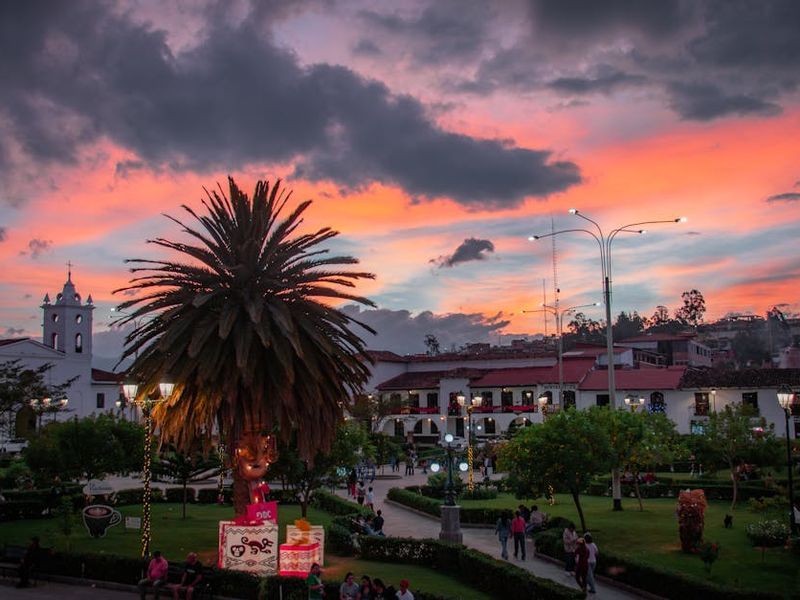
Evening: Enjoy a relaxed dinner on one of the riverside terraces. Early evenings are great for people-watching; the historic center takes on a warm glow as the streetlamps come on.
Day 2 — Museums and markets
Morning: Visit Museo Pumapungo to learn about the region’s indigenous and colonial past. The museum includes archaeological displays and an accessible archaeological site with terraced ruins and a recreated indigenous house.
Afternoon: Head to the central market to taste fruit juices, fresh empanadas, and other Ecuadorian street foods. Markets are also where locals shop for ingredients and inexpensive clothing; they’re lively and photogenic. Spend some time exploring nearby specialty museums — the Museum of Modern Art or small private galleries — depending on what’s open that day.
Evening: Consider a cultural performance — a concert, ballet, or local music venue. Check local listings at ticket booths around Parque Calderón or ask your hotel for recommendations.
Day 3 — Turi viewpoint and artisan shopping
Morning: Take a short drive or taxi to El Turi, the hilltop viewpoint east of the city. From the church there you’ll get sweeping views of Cuenca and the surrounding valleys. Local vendors often sell snacks, drinks, and quick souvenirs at the top.
Afternoon: Spend the afternoon exploring artisan stores and workshops. Use Calle Larga and the streets along the river to find high-quality Panama-style hats, woven goods, and contemporary handicrafts. If you want to buy traditional filigree silver jewelry, plan a half-day trip (see Day 6) or look for verified workshops selling certified pieces.
Evening: Try one of Cuenca’s bistro-style restaurants — the city has an increasingly creative food scene that blends local ingredients with international techniques.
Day 4 — Day trip to El Cajas National Park
All day: El Cajas National Park is a highland jewel, about 30–40 minutes by car from Cuenca. The landscape is full of glacial lakes (lagunas), peat bogs, and dramatic páramo vegetation. There are trails for every fitness level: short loops around lagunas or day hikes that climb to higher vantage points with views across dozens of lakes.
Practical tip: Temperatures in El Cajas are much colder than in the city and conditions change quickly. Bring layers, waterproof outerwear, warm gloves, plenty of water, and sun protection. If you’re not comfortable driving mountain roads, book a guided tour from Cuenca which includes transport and a local guide.
Day 5 — Slow day in town: neighborhoods, cafés, and a cooking class
Morning: Sleep in and enjoy a late breakfast at a café near Parque Calderón or by the river. Use this day to visit smaller neighborhoods — the riverside Barranco area and quiet residential streets that show Cuenca life at a gentler pace.
Afternoon: Take a cooking class or food tour that focuses on highland dishes. These classes often include a market visit to source ingredients, which is a great way to learn food vocabulary and see how locals shop. Alternatively, visit a pottery or textile cooperative and see artisans at work.
Evening: Take a sunset stroll across the rivers. The reflective light on the domes and bridges makes for beautiful photos without leaving the city.
Day 6 — Gualaceo and Chordeleg: artisan towns
All day: Head into the southern Azuay valleys to visit Gualaceo and Chordeleg (about 45–60 minutes by car from Cuenca). Gualaceo is known for colorful textiles and leather goods; Chordeleg is famous for silver filigree jewelry and small family workshops. Touring these towns gives you a close look at traditional techniques, and many artisans are happy to demonstrate or accept visitors by appointment.
Tips for shoppers: In these towns you can negotiate prices, but be reasonable — quality silver or handwoven textiles are time-intensive. Ask for a certificate or stamp for genuine silver pieces. If you plan to ship purchases home, confirm packaging and shipping options before you buy.
Day 7 — Ingapirca or a river valley exploration
Option A — Ingapirca ruins: Spend your final day visiting the Ingapirca archaeological site, the largest known Inca ruins in Ecuador. The site is about 1.5–2 hours north of Cuenca. Walk the stone terraces, see the semi-circular Temple of the Sun, and learn about the Cañari and Inca history of the region. Guided tours from Cuenca are common and include transport and explanations in English or Spanish.
Option B — Explore the local river valleys and haciendas: If you prefer a botanical or landscape experience, explore nearby river valleys and rural haciendas. Some offer short walking trails, birdwatching, and traditional meals in stunning settings. It’s an easy way to end your week with slow travel and countryside views.
Practical travel tips for a worry-free week
- Altitude: At around 2,560 m, most visitors adjust quickly. Take it easy your first day, avoid heavy exercise, drink plenty of water, and limit alcohol. If you have strong cardiovascular issues, consult a doctor before travel.
- Weather and clothing: Cuenca’s climate is temperate but changeable. Pack layers: a fleece or sweater, a waterproof jacket, and a sun hat. Good walking shoes are essential for cobblestones and trails.
- Money and prices: Ecuador uses the US dollar. Carry some cash for markets and small vendors; most restaurants accept cards, but small shops may not. Tipping of 10% is common at restaurants and appreciated for guides and taxis.
- Getting around: The historic center is best on foot. For day trips, taxis, colectivos (shared minibuses), and organized tours are widely available. Renting a car gives freedom for remote sites, but mountain roads require confidence driving narrow passes.
- Safety: Cuenca is one of Ecuador’s safer cities for tourists, but standard precautions (watch your belongings in crowded places, avoid poorly lit streets at night) still apply. Use registered taxis or ask your hotel to call one.
- Connectivity: Wi-Fi is common in hotels and cafés. If you need consistent mobile data, buy a local SIM at the airport or city kiosks.
Eating and drinking: what to try and where
Cuenca’s food scene blends authentic local markets and modern restaurants. Must-try dishes include locro de papa (creamy potato soup with cheese), hornado (slow-roasted pork), fritada (fried pork with mote and plantains), and fresh fruit juices featuring tropical and mountain fruits. For a quick snack, try empanadas or humitas (steamed corn cakes).
Cafés around Calle Larga and near Parque Calderón serve good coffee and pastries; Ecuadorian coffee from nearby highlands is excellent. For a riverside meal, head to the Tomebamba riverbanks where many restaurants offer alfresco dining and local dishes with a view.
Shopping and souvenirs
Look for high-quality handicrafts: handwoven textiles, embroidered blouses, and Panama-style hats sold throughout the city. For verified silver filigree and jewelry, a trip to Chordeleg yields family-run workshops with centuries-old techniques. Museo shops and cooperative outlets sell responsibly sourced goods if you prefer to support community projects.
Sample budgets and booking tips
Cuenca can be affordable or upscale depending on choices. Typical mid-range daily budget: $40–70 per person (comfortable guesthouse, meals at mid-range restaurants, public transport and a couple of paid activities). Higher-end travelers should budget $100+ per day for boutique hotels and private tours. Reserve popular activities — El Cajas guided hikes, day trips to Ingapirca, and artisan tours — a few days in advance, especially during the dry season (June–September).
Extra tips to make your week unforgettable
- Carry a small daypack with water, sunscreen, a rain shell, and snacks for day trips.
- Practice basic Spanish phrases — shopkeepers and guides will appreciate the effort and it makes bargaining and local interactions smoother.
- Take time to sit in a café or on a riverside bench and watch daily life — some of Cuenca’s charm is in its gentle rhythm.
- If you have more time, combine Cuenca with southern coastal towns or Andean lodges — it’s an excellent hub for extending exploration of Ecuador.
Final thoughts
Seven days in Cuenca gives you the perfect balance: immersive time in a UNESCO city, a couple of highland adventures, and meaningful encounters with local craft traditions. Move at a relaxed pace, follow the weather, and mix guided day trips with slow afternoons — that balance will help you leave Cuenca with both memories of spectacular landscapes and a real feel for daily life in this inviting Andean city.
Adam Elliot Altholtz serves as the Administrator & Patient Coordinator of the “Smilehealth Ecuador Dental Clinic“, along with his fellow Expats’ beloved ‘Dr. No Pain‘, right here in Cuenca, Ecuador, and for purposes of discussing all your Dental needs and questions, is available virtually 24/7 on all 365 days of the year, including holidays. Adam proudly responds to ALL Expat patients from at least 7:00am to 9:00pm Ecuador time, again every single day of the year (and once more even on holidays), when you write to him by email at info@smilehealthecuador.com and also by inquiry submitted on the Dental Clinic’s fully detailed website of www.smilehealthecuador.com for you to visit any time, by day or night. Plus, you can reach Adam directly by WhatsApp at +593 98 392 9606 -or by his US phone number of 1‐(941)‐227‐0114, and the Dental Clinic’s Ecuador phone number for local Expats residing in Cuenca is 07‐410‐8745. ALWAYS, you will receive your full Dental Service in English (NEVER in Spanish), per you as an Expat either living in or desiring to visit Cuenca by your Dental Vacation, plus also to enjoy all of Ecuador’s wonders that are just waiting for you to come arouse and delight your senses.