
Table of Contents
Why Cuenca deserves a full week
Cuenca moves at a human pace: colonial plazas, riverside promenades, a lively artisan scene and easy access to highland nature. Seven days gives you time to immerse in the city’s rhythms, sample regional cuisine, dive into craft villages and slip into the páramo of Cajas National Park without feeling rushed. This itinerary mixes iconic highlights, slower afternoons, and a couple of day trips so you return home with a rounded impression of southern Ecuador.
Quick practical snapshot
Altitude: about 2,560 meters (8,400 ft) — bring layers and expect cool evenings. Currency: United States dollar (USD). Language: Spanish — basic phrases are useful. Plug: Type A/B, 120V. Safety: generally safe for visitors, but use normal urban caution for belongings at markets and busy squares. Transport: walkable historic center; taxis are cheap; regional buses connect to nearby towns. Best time to visit: dry season (June–September) for clear skies; shoulder months can be pleasant too.
Day 1 — Get oriented: Centro Histórico and the heart of Cuenca
Start at Parque Calderón, the emerald heart of the old city. From here you can admire the blue-domed Catedral Nueva (New Cathedral), stroll down Calle Larga with its cafés and artisan shops, and cross the bridges over the Río Tomebamba to watch locals exercising along the riverbanks.
Spend your afternoon at the Museo Pumapungo to see Inca-era ruins and ethnographic exhibits that explain regional cultures. Later, climb the cathedral towers or find a rooftop restaurant to enjoy sunset over the domes. Keep Day 1 gentle to adjust to the altitude and the rhythm of the city.
Day 2 — Food, markets and neighborhood wandering
Dedicate a day to food and neighborhood exploration. Visit one of the main markets in the morning for fresh fruit, hornado (roast pork), and empanadas. Try a local breakfast of bolón (mashed green plantain ball) or humitas if available. Take a slow coffee break on Calle Larga or in the El Centro area and watch shopkeepers open for the day.
Spend the afternoon exploring El Barranco, the artsy neighborhood on the river’s edge with galleries, boutique shops, and street art. In the evening, choose a mid-range or upscale restaurant to sample cuy (guinea pig) for the adventurous, or trout from local rivers—both are regional specialties.
Day 3 — Museums, churches and cultural deep dives
Use this day to visit smaller museums and religious sites. Besides the cathedral, explore the Museo del Banco Central (if open), local municipal museums, or a museum dedicated to Panama hat history—Cuenca and its nearby towns are famous for hat production and the craft’s story is fascinating.
Consider booking a short Spanish or culinary class to connect with locals and learn simple phrases or how to prepare an Ecuadorian dish. Finish the day with a performance at a local theater or an evening paseo where families stroll the parks and plazas.
Day 4 — Miradores, neighborhoods and a relaxed pacing day
Rise early and head to Mirador de Turi for panoramic views of Cuenca particularly beautiful at sunrise. The surrounding neighborhood is relaxed and full of small vendors selling local sweets and snacks. After descending, spend time on Avenida España and along the Tomebamba riverwalk for serene photo opportunities and people-watching by the old stone bridges.
Use the afternoon to shop for handcrafted goods—look for alpaca textiles, silver filigree jewelry from Chordeleg, and Panama hats woven nearby. If you want a mellow evening, book a massage or visit a small spa: Cuenca has many affordable wellness options catering to visitors.
Day 5 — Day trip option A: Cajas National Park
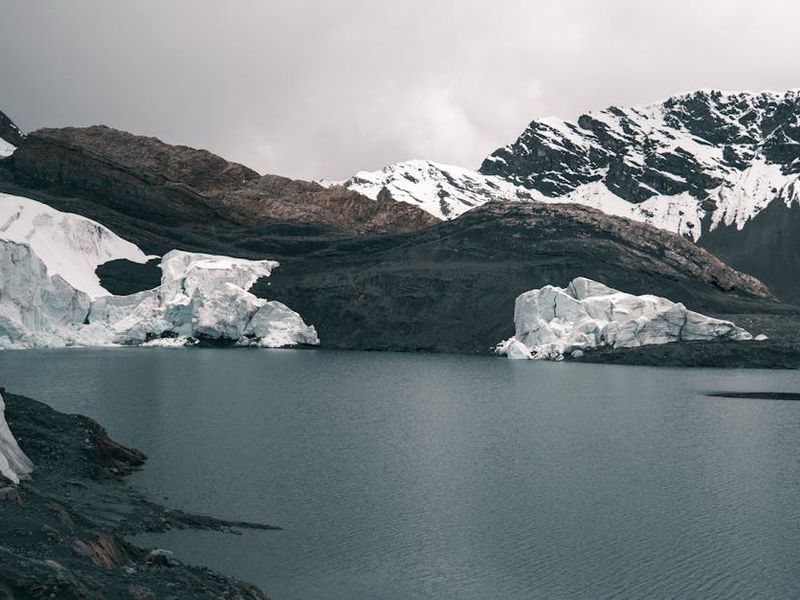
One of the region’s crown jewels, Cajas National Park is a 30–60 minute drive from Cuenca (depending on the entry point) and offers glacial lagoons, wind-sculpted moorland and clear hiking trails. Pack waterproof layers, sturdy shoes, water and snacks.
Popular hikes range from short 1–2 hour loops around lagunas to full-day routes through páramo landscapes. Keep your camera ready for birdlife—Cajas hosts rare species—and for dramatic vistas of lakes framed by the Andes. Tours or local shuttle services make logistics easy if you don’t want to drive yourself.
Day 5 — Day trip option B: Ingapirca and historic highland valleys
If you prefer archaeology, take a day trip to Ingapirca, the largest Inca ruin in Ecuador, an impressive stone complex with a ceremonial tower and terraced constructions. The site sits about two hours north of Cuenca, often combined with visits to mountain towns en route. Guides on-site explain the blend of Cañari and Inca features, and the views over the valley are striking.
Either Cajas or Ingapirca makes a rewarding day outside the city—choose based on whether you want nature or pre-Columbian history.
Day 6 — Artisan towns: Gualaceo and Chordeleg
Devote a day to the artisan circuit. Gualaceo is known for textiles, ceramics and colorful markets; Chordeleg is the place for silver filigree jewelry and small goldsmiths. Both towns are within an hour of Cuenca and are ideal for buying handmade, locally produced souvenirs and meeting craftsmen.
Take time to wander market stalls, watch demonstrations when offered, and bring cash for smaller purchases. Stop at a family-run restaurant for a home-cooked meal—these towns showcase the flavors of the southern highlands.
Day 7 — Slow morning, a final walk, and a choice of a relaxed close
Spend your final day taking the pace down a notch. Revisit a favorite café, stroll the riverbanks, and buy any last-minute souvenirs. If you have a later departure, consider a short visit to a local hot springs or a spa for a relaxing soak before travel.
Finish with a rooftop dinner near Parque Calderón or a sunset walk at the Mirador de Turi for a farewell view. Take the evening to pack, confirm transport to the airport, and note any favorite spots you’d like to return to next trip.
Practical transport tips
Cuenca’s Centro Histórico is compact and best explored on foot. For neighborhoods beyond walking range, taxis are inexpensive—confirm the price before you depart or ask the driver to use the meter if available. Buses are very cheap for longer distances and connect Cuenca with small towns and national parks.
Renting a car gives you flexibility for day trips but remember that driving at high altitude and on mountain roads requires attentiveness. If you prefer not to drive, many day tours include convenient pickup from hotels.
Food, drink and market etiquette
Cuenca’s food scene blends highland staples with fresh Andean produce. Try soups like locro de papa (potato and cheese soup) and hearty stews. Trout, roasted pork and rich corn-based dishes are common. Street food is generally safe from established stalls, and markets are perfect for inexpensive, authentic meals.
When shopping at markets, polite bargaining is common—start with a slightly lower offer and smile. Vendors expect some negotiation for handicrafts, but keep it friendly. Carry small bills and coins for easy transactions in markets and taxis.
Health, altitude and packing essentials
Altitude can cause mild symptoms—headache, shortness of breath, disrupted sleep—especially for visitors coming from sea level. Drink plenty of water, eat lightly for the first 24 hours, and avoid strenuous hikes on day one. If you have severe altitude sensitivity, consult your doctor about medication like acetazolamide before travel.
Packing list highlights: layered clothing (fleece + light jacket), good walking shoes, rain jacket, wide-brim hat and sunscreen, reusable water bottle with a filter if you prefer, basic medications, and a small daypack. Bring a universal adapter for electronics and a photocopy of important travel documents.
Budgeting and accommodation tips
Cuenca offers a wide range of lodging: budget hostels, cozy guesthouses, boutique hotels in restored colonial homes, and upscale options with river views. Expect lower prices compared to North American and European cities. Typical meal prices range from inexpensive market plates to mid-range restaurant dinners; plan your budget based on desired comfort and dining choices.
Book lodgings in or near the historic center if you want walkability; neighborhoods like El Barranco provide a quieter riverside vibe while remaining close to the action.
Safety, local customs and useful Spanish phrases
Cuenca is considered one of Ecuador’s safest cities, but common-sense precautions apply—watch belongings in crowded places and avoid poorly lit streets late at night. Locals are friendly and appreciate basic Spanish greetings and thank-yous. A simple “buenos días,” “por favor,” and “gracias” go a long way.
For churches and religious sites, dress modestly and speak quietly. Tipping is appreciated but not obligatory—rounding up or leaving small tips in restaurants and for helpful guides is common.
Seasonal events and festivals
Time your visit to coincide with local celebrations if you enjoy festivities. Cuenca hosts religious processions during Semana Santa and other religious holidays, and the city celebrates civic anniversaries with parades, music and food. Smaller neighborhood fiestas and artisan markets can pop up year-round—ask your hotel staff for current events during your stay.
Final tips to make your week memorable
- Schedule a slow day in the middle of your trip to let the city sink in—less is more at altitude.
- Try at least one cooking or craft workshop to connect with locals and learn a skill to take home.
- Photography tip: sunrise at Mirador de Turi and golden hour on the river bridges deliver the best light.
- If you love markets, bring an extra foldable bag for purchases—handicrafts are lighter than they look.
Seven days in Cuenca gives you a balanced mix of history, culture, nature and artisan discovery. With gentle pacing and a few well-chosen day trips, you’ll leave the city feeling relaxed, richer in experience, and keen to return to explore more of Ecuador’s southern highlands.