
Table of Contents
Why timing matters in Cuenca
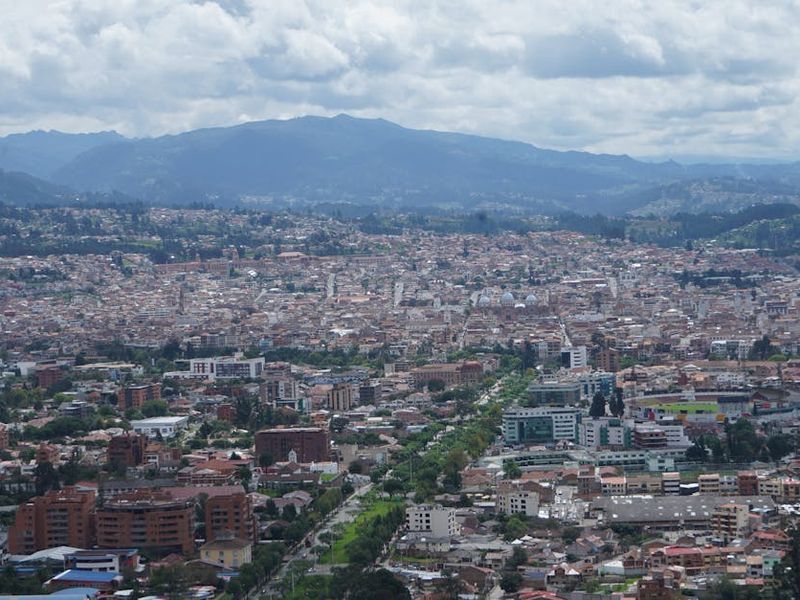
Cuenca’s charm — its cobblestone streets, blue-domed cathedral, and cool Andean air — makes it an inviting destination any time of year. But knowing when to go will shape what you experience: sunlit hikes in Cajas National Park, lively festivals in the historic center, or quieter market browsing under a gentle mist. This guide explains the seasons, monthly highlights, and practical tips so you can choose the right month for your priorities.
Quick snapshot: Cuenca weather and seasons
Cuenca sits at about 2,560 meters (8,400 feet) above sea level, giving it a mild, spring-like climate year-round. There are two broad seasons to consider:
- Wet season (roughly October to May): Expect frequent afternoon showers, with the heaviest rains usually from March through May.
- Dry season (June to September): Clearer skies, sunnier days, and cooler nights — ideal for outdoor adventures.
Temperatures typically range from about 8°C to 22°C (46°F to 72°F). Because of the altitude, UV is strong even on cloudy days, and weather can change quickly from sun to rain.
Month-by-month breakdown
Here’s a practical look at what each month tends to offer, and which type of traveler will most enjoy it.
January–February: Green landscapes and Carnival
January can feel like a continuation of the wet season: mornings often start clear with clouds building in the afternoon. February brings Carnival (dates vary with the liturgical calendar), when locals celebrate with parades, water fights, and music. If you enjoy cultural energy and a lush, green landscape, this is a lively time. Expect occasional heavy rains and higher humidity.
March–May: Peak rains and lower prices
These months are the wettest. March through May can see regular afternoon downpours and misty mornings — a magical time for moody photography of Cuenca’s red-tiled roofs and river valleys. The upside is fewer tourists and lower hotel rates. If you don’t mind packing a rain jacket and flexible plans, you can enjoy quieter museums, discounted tours, and dramatic skies.
June–September: The best window for hikers
June, July, August, and September are the clearest months. Days are sunny and cool, with crisp mornings and chilly nights. This is the ideal window for trekking in Cajas National Park, visiting highland lakes, and taking day trips to Ingapirca and Guayaquil’s surrounding valleys. Expect more crowds than the wet months, especially in July and August, when local families travel and international visitors arrive for summer.
October–November: Shoulder season and festival highlights
October is a transition month — there can still be showers, but the frequency decreases. November brings two special occasions: Day of the Dead (November 2) with traditional foods like colada morada and guaguas de pan, and Independence celebrations (early November) when parades and civic events animate the city. This period blends cultural richness with generally improving weather.
December: Festive but variable
December is festive with holiday lights and markets, but it can also be a mixed-weather month. Days may be dry and sunny or interrupted by rain; travel prices start to climb around the holiday period. If you want a holiday atmosphere plus local traditions, December is a good choice, but book accommodations early.
Best time by activity
- Hiking and outdoors: June–September for dry trails and clear visibility in Cajas National Park.
- Festival and cultural events: November (Day of the Dead and Independence festivities) and Carnival (February) for lively local traditions.
- Photography: Wet season (March–May) for dramatic skies and reflections; dry season for crisp, blue-sky cityscapes.
- Budget travel: March–May to take advantage of lower prices and fewer tourists.
- Food-focused trips: Year-round — markets and restaurants are vibrant any month; Day of the Dead offers unique culinary traditions.
Top places to visit depending on season
Dry season highlights (June–September)
- Cajas National Park: Clear weather makes for excellent hiking and highland lake views. Trails are accessible and less muddy.
- Mirador de Turi and surrounding viewpoints: Panoramic vistas of Cuenca shine on sunny days.
- Day trips to Ingapirca and Gualaceo: Roads and ruins are easier to explore without heavy rain.
Wet season highlights (October–May)
- Museo Pumapungo and indoor attractions: Rainy afternoons are perfect for museums, craft markets, and coffee shops.
- Cultural immersion: Festivals and local markets are less crowded and often more affordable.
- Photography of moody architecture: Cloudy light enhances the colors of the historic center.
Practical packing list for any season
Because Cuenca’s weather can be changeable, packing smart is more useful than packing heavy.
- Layered clothing: lightweight base layers, a fleece or sweater, and a windproof shell.
- Waterproof jacket with hood and a small travel umbrella for unexpected showers.
- Good walking shoes or light hiking boots with decent grip for cobblestones and park trails.
- Sun protection: high-SPF sunscreen, sunglasses, and a hat — UV intensity is high at altitude.
- Reusable water bottle and water purification tablets or a filter if you’re cautious about tap water.
- Altitude kit: anti-nausea medication if you’re prone to altitude issues, and consider coca tea, which locals use to ease symptoms.
Health, altitude, and safety tips
Cuenca’s altitude is not extreme compared to some Andean cities, but newcomers can still feel mild symptoms of altitude adjustment. Take it easy the first 24–48 hours: avoid strenuous activity, stay hydrated, and limit alcohol. Coca tea, available at cafes and markets, is a traditional remedy many travelers find helpful.
Tap water in Cuenca is treated and many residents drink it; however, travelers coming from lower elevations sometimes experience stomach upset. If you prefer to be cautious, use bottled water or a small filter for drinking.
Cuenca is generally a safe city, known for its relaxed pace and expat community. Standard precautions apply: watch personal belongings in crowded markets, use registered taxis or ride-hailing apps where available, and keep copies of important documents. Pharmacies and medical clinics are plentiful in the city if needed.
Logistics: travel, accommodation, and money
Ecuador uses the US dollar as its official currency, which simplifies budgeting for many international visitors. Flights into Cuenca typically arrive via Mariscal La Mar Airport, though many visitors choose to fly into Quito or Guayaquil and take a bus or short connecting flight to Cuenca.
Accommodation options range from boutique hotels in the historic center to guesthouses and modern apartments. The dry season tends to attract more bookings, so reserve early if you plan to travel between June and September or during holidays like Carnival and the November festivities.
Public transportation and taxis are affordable. For day trips to Cajas, Ingapirca, or the artisan towns of Gualaceo and Chordeleg, consider joining a guided tour or using reputable bus services from the main terminal. Renting a car is possible but not necessary unless you want total freedom to explore remote areas.
Experience local life: food, markets, and neighborhoods
The historic center of Cuenca is a UNESCO World Heritage site; wandering its plazas and side streets reveals artisan workshops, bakeries, and small cafés. Mercado 9 de Octubre and other local markets are great places to taste hornado, locro de papa, mote, and other Ecuadorian specialties. November’s Day of the Dead brings colada morada (a spiced purple corn drink) and guagua de pan (bread shaped like infants)—a unique culinary moment.
Neighborhoods like El Centro, San Sebastián, and the Turi area each have their own flavor: El Centro is bustling and historic, San Sebastián offers quieter residential charm, and Turi provides sweeping city views and local eateries. Spend at least a day exploring each to get a feel for daily life.
Photography and timing for the best light
If photography is a priority, aim for early mornings and late afternoons when soft light lifts the blue domes of the New Cathedral and the red tiles of the old town. During the wet season, dramatic clouds and reflections can create atmospheric shots — just be ready for sudden showers. In the dry season, clear skies provide crisp, detailed cityscapes and panoramic views from nearby viewpoints.
Sample itineraries by season
3-day dry-season primer (June–September)
- Day 1: Historic center walking tour, Parque Calderón, Cathedral of the Immaculate Conception.
- Day 2: Day trip to Cajas National Park for hiking and lakes.
- Day 3: Visit Pumapungo Museum, artisan markets in Gualaceo/Chordeleg, and an evening at Turi viewpoint.
3-day wet-season cultural focus (March–May)
- Day 1: Museums and indoor attractions, sample local foods at Mercado 9 de Octubre.
- Day 2: Explore artisan shops, visit the Panama hat workshops, and take a craft demo.
- Day 3: Slow day around the river Tomebamba, cafés, and sunset photographs of the cathedral.
Final thoughts: balancing weather, crowds, and culture
There is no single “perfect” month to visit Cuenca — it depends on what you want to do. Choose June–September for the most reliable outdoor weather; pick November or Carnival for deep cultural experiences; or select the rainy months if you prefer fewer crowds and lower costs. Whatever time you choose, Cuenca’s historic charm, welcoming neighborhoods, and accessible highland landscapes make it a rewarding place to explore.
Plan your trip around your priorities, pack layers, and leave room for spontaneous discoveries — the city’s best moments often come between planned stops: a local food stall with unforgettable hornado, a small artisan’s workshop full of color, or a cloud-lit vista over the cathedral domes.
Safe travels, and enjoy Cuenca’s timeless highland rhythms when you arrive.