
Table of Contents
Why Spend a Week in Cuenca?
Cuenca, Ecuador’s charming colonial jewel high in the Andes, rewards a week-long visit. The city’s compact historic center, tree-lined plazas, riverside promenades and nearby natural and archaeological treasures make it ideal for a relaxed itinerary that balances museums, markets, day trips and free time to soak up local life.
Quick Practical Notes Before You Pack
Cuenca sits at about 2,500–2,600 meters (8,200–8,500 ft), so give yourself a few hours on arrival to adjust to the altitude. The climate is spring-like year-round — daytime highs commonly in the mid-teens to low twenties Celsius (60s–70s°F) and cool nights. Layers and a waterproof jacket are essential. The currency is the US dollar, Spanish is the main language, and taxis are inexpensive — expect short rides in the historic center to cost a couple of dollars.
Where to Stay: Neighborhoods That Make a Week Easy
Choose accommodation in or very near the Centro Histórico to walk everywhere: Parque Calderón, the Cathedral (Iglesia Metropolitana), and the riverside barrios are all within easy reach. If you prefer quieter evenings, look for guesthouses in El Barranco or San Sebastián, which still put you a 10–20 minute walk from the heart of things. For panoramic views, consider a room near Turi hill, though that adds taxi trips in and out.
One-Week Itinerary Overview
This suggested plan mixes sightseeing with day trips, markets, and slow afternoons. You’ll have chance to taste traditional dishes, browse artisan shops, and step into the Andes without feeling rushed.
Day 1 — Arrival and a Gentle Introduction
Arrive, drop your bags, and take it easy. Walk to Parque Calderón, admire the New Cathedral with its sky-blue domes, and orient yourself to the grid of streets around the square. Spend the afternoon wandering the nearby streets along the Tomebamba River — the riverside promenades (pasarelas) are peaceful and perfect for people-watching. Finish your first evening with a casual meal: try hornado (slow-roasted pork) or a hearty soup at a local family-run restaurant.
Day 2 — Museums and the Heart of the City
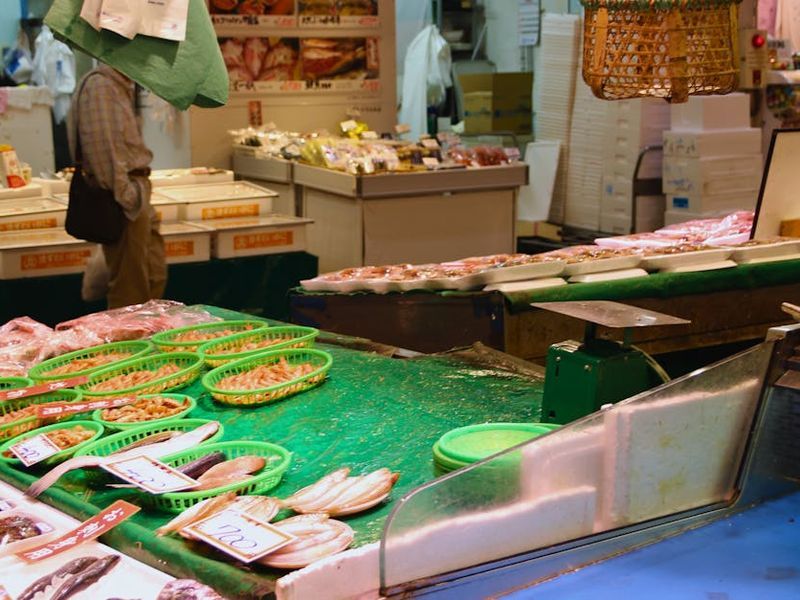
Devote a morning to Museo Pumapungo, which blends archaeological exhibits with ethnographic displays and small Inca ruins in the gardens. After that, explore a convent museum (for example, Museo de las Conceptas) or the municipal art collection to get a feel for religious and colonial art. Lunch at a market — Mercado 9 de Octubre or Mercado Central — gives you authentic flavors: fresh juices, local breads and roasted meats. Spend the afternoon shopping for small souvenirs near Calle Larga and Calle Mariscal Sucre, and consider an evening rooftop view of the cathedral at sunset.
Day 3 — High-Altitude Nature: Cajas National Park
Make Cajas National Park a full-day trip. The landscape of high moorland (páramo), glacial lakes, and hiking trails is stunning and only a 30–60 minute drive from Cuenca. Choose a moderate hike to a nearby lagoon to enjoy mirror-like reflections and birdlife; keep to marked trails, bring warm layers and snacks, and hire a local guide if you plan longer treks. This is a photographer’s paradise and a great way to experience Ecuador’s highland ecosystems.
Day 4 — Ingapirca and Ancestral Stones
Visit Ingapirca, Ecuador’s most important Inca archaeological site, roughly 1.5–2 hours from Cuenca. The site includes the Semi-circular Temple of the Sun, stone terraces, and interpretive trails. Guided tours help explain the blending of Cañari and Inca cultures visible in the masonry. Return to Cuenca and spend a relaxed evening sampling local desserts or sipping Ecuadorian coffee at a specialty café.
Day 5 — Artisan Towns: Gualaceo and Chordeleg
Spend the day in the nearby Azuay artisan towns. Gualaceo hosts a bustling market where you can buy local produce and textiles; Chordeleg is famous for silver filigree jewelry. These towns are perfect for finding high-quality handicrafts and observing traditional workshops. Tactful bargaining is normal — check the piece for hallmarks or ask about the materials before you buy. Return to Cuenca with your purchases and enjoy a quiet evening in one of the city’s plazas.
Day 6 — Neighborhoods, Miradors and the Hat Tradition
Explore the city’s neighborhoods more slowly today. Walk up to Turi hill for panoramic views of the valley and city—it’s a great time for photos. Visit a museum or shop dedicated to the famous Ecuadorian toquilla (often called a Panama hat) and learn about the weaving process; many small workshops offer demonstrations. Afterward, explore El Barranco’s stepped streets and cafes, and consider a sunset stroll along the riverside paths.
Day 7 — Creative and Culinary Cuenca
Use your last day for experiences that connect you to the culture: a short cooking class to learn to make empanadas or local soups, a chocolate workshop featuring Ecuador’s cocoa, or a Spanish lesson with a local teacher. Spend your last afternoon revisiting your favorite café or museum, and pick one final souvenir — invest in a well-made toquilla hat or handcrafted silver before you leave.
Where to Eat: A Local Food Primer
Cuenca’s food scene ranges from street stalls to refined restaurants. Don’t miss typical dishes such as llapingachos (potato patties), mote (hominy), and hornado. For adventurous eaters, try cuy (guinea pig) at a reputable restaurant. Fresh fruit juices are ubiquitous and delicious. Coffee culture is strong — support local roasters who source beans from Ecuador’s diverse growing regions.
Getting Around: Tips for City and Day Trips
- Flights: Cuenca’s Mariscal Lamar Airport (CUE) has domestic connections — helpful if you’re short on time.
- Buses: Long-distance buses connect Cuenca to Quito and Guayaquil; buy tickets at the terminal or online with reputable companies.
- Taxis and Colectivos: Taxis are cheap but agree on a fare if there’s no meter. Colectivo minibuses are even cheaper for local travel.
- Day tours: For places like Cajas or Ingapirca, consider a guided day tour — it removes the hassle of navigation and can include park fees.
- Car rental: If you plan independent travel to multiple remote sites, renting a car gives flexibility, but mountain roads can be narrow and require confidence driving at altitude.
Money, Safety and Practicalities
Cuenca is one of Ecuador’s safer cities, but standard precautions apply: keep valuables discreet, avoid isolated streets late at night, and carry photocopies of important documents. ATMs are widely available in the center. Tipping is appreciated in restaurants (around 10% if service isn’t included). Health-wise, drink bottled water if you prefer, and remember the altitude: avoid heavy exercise the first day and stay hydrated.
Shopping — What to Buy and How to Do It Responsibly
Cuenca is a great place to buy toquilla hats, alpaca textiles, silver jewelry and ceramics. When buying a hat, ask about the weave grade — finer weaves cost more and are more valuable. For silver jewelry, look for hallmarks or ask about base materials. Support small family workshops and ask about the makers; buying directly from artisans is the most sustainable option. Avoid purchasing wildlife products or anything that might be culturally insensitive.
Best Time to Visit and Local Events
Cuenca’s drier months are generally June through September, making them ideal for outdoor exploration. The city also hosts cultural events and parades at various times of the year; check a local events calendar before you go if you’d like to time your visit with festivals, markets or arts events.
Alternative Activities and Slower Options
If you prefer fewer day trips, replace one excursion with a relaxed schedule: take art classes, join a walking food tour, spend afternoons people-watching in Parque Calderón, or explore neighborhood galleries. Cuenca rewards poking into side streets — you’ll find tucked-away bakeries, independent bookstores and small plazas where locals gather.
Leaving Cuenca: Final Travel Tips
Allow time on your last day to repack souvenirs and clear your travel route to the airport or bus terminal. If you have a morning flight, consider staying the night near the airport or leaving with plenty of time — mountain roads can be busy. Reflect on what made Cuenca special for you: the warm interactions with artisans, the tranquility of the riverside walks, or the highland landscapes of Cajas — and plan your next Ecuadorian detour accordingly.
Final Thoughts
One week in Cuenca gives you the perfect mix of urban culture and nearby adventure. Go slowly, try local foods, and make time to simply sit in a plaza and observe daily life — Cuenca’s greatest charm is how it blends colonial architecture with a modern, creative energy. With this plan you’ll leave with a solid understanding of the city and memories of highland lakes, ancient stones and the warmth of Ecuadorian hospitality.
Adam Elliot Altholtz serves as the Administrator & Patient Coordinator of the “Smilehealth Ecuador Dental Clinic“, along with his fellow Expats’ beloved ‘Dr. No Pain‘, right here in Cuenca, Ecuador, and for purposes of discussing all your Dental needs and questions, is available virtually 24/7 on all 365 days of the year, including holidays. Adam proudly responds to ALL Expat patients from at least 7:00am to 9:00pm Ecuador time, again every single day of the year (and once more even on holidays), when you write to him by email at info@smilehealthecuador.com and also by inquiry submitted on the Dental Clinic’s fully detailed website of www.smilehealthecuador.com for you to visit any time, by day or night. Plus, you can reach Adam directly by WhatsApp at +593 98 392 9606 -or by his US phone number of 1‐(941)‐227‐0114, and the Dental Clinic’s Ecuador phone number for local Expats residing in Cuenca is 07‐410‐8745. ALWAYS, you will receive your full Dental Service in English (NEVER in Spanish), per you as an Expat either living in or desiring to visit Cuenca by your Dental Vacation, plus also to enjoy all of Ecuador’s wonders that are just waiting for you to come arouse and delight your senses.