
Table of Contents
Why Cuenca’s Markets Are a Must-Visit
Cuenca’s markets are more than shopping destinations: they are a living snapshot of Ecuador’s highland foodways and artisanal traditions. Here you’ll find farmers selling mountain-grown potatoes and native tubers, vendors offering exotic Andean fruits and fresh cheeses, and artisans bringing centuries-old techniques to modern designs. For visitors and expats, markets are the best place to taste local flavors, buy high-quality ingredients, and pick up authentic souvenirs while supporting small-scale producers.
Central Covered Markets: Convenience, Variety, and Atmosphere
The heart of Cuenca’s market culture sits in its covered markets, where a mix of produce, meats, prepared foods, and household goods are sold under one roof. These markets are easy to access from the historic center and offer everything you need for daily cooking or large gatherings.
Mercado 10 de Agosto (Mercado de la Ciudad)
Mercado 10 de Agosto is one of Cuenca’s most vibrant covered markets. Expect long aisles stacked with colorful produce—plenty of native potatoes, avocados, plantains, and a rotating selection of seasonal fruits like naranjilla, granadilla, and passion fruit. The market is also famous for its traditional food stalls where you can sample local favorites like hornado (roast pork), caldo de gallina (chicken soup), and freshly made quesillo.
Tip: Go early (7–9am) for the widest selection and best prices. Bring small bills and a reusable bag; vendors will usually weigh produce in front of you and accept cash. If you’re buying larger quantities, ask for a discount—many sellers will lower the price if you buy a full kilo or several items.
Mercado Central (Mercado Central de Cuenca)
Close to the historic Parque Calderón, the Mercado Central mixes food stalls with a lively fish and meat section and several snack counters prized by locals. It’s a great place to people-watch, try regional dishes like llapingachos (potato patties) and mote (hominy), and pick up staples such as fresh eggs, local cheeses, and jars of ají (hot sauce).
Tip: If you want to cook with local ingredients, ask vendors about seasonality—Ecuador’s microclimates mean certain fruits and vegetables appear only for brief windows. Vendors are usually happy to explain how they like to prepare specific vegetables and which varieties are best for soups, stews, or frying.
Open-Air and Weekly Fairs: Freshness and Local Flavors
Beyond the covered markets, Cuenca hosts several open-air markets and neighborhood fairs where local farmers bring their morning harvest straight to town. These pop-up markets are seasonal and can vary by neighborhood, but they’re worth seeking out for the freshest produce and a lively, communal vibe.
Sunday Fairs and Neighborhood Markets
Many neighborhoods in Cuenca set up small weekly fairs, especially on weekends. These are perfect places to find unusual or heirloom varieties of potatoes, mellocos (a small Andean tuber), and a range of fresh herbs. The atmosphere is more relaxed than the central markets, and you’ll often find homemade baked goods, local honey, and artisanal cheese sellers who can tell you which pasteurization method they use.
Tip: Follow locals’ recommendations to find the best neighborhood fair. Once you’ve identified a vendor you like, you can return week after week to build a friendly relationship—this often leads to better prices and tips on seasonal cooking.
Artisan Fairs and Markets: Crafted in Cuenca and Beyond
Cuenca is a regional hub for crafts—textiles, hats, silverwork, leather goods, and ceramics are all readily available. You can find many of these artisans selling directly in the city or take short day trips to towns renowned for specific crafts.
What to Look For in City Artisan Markets
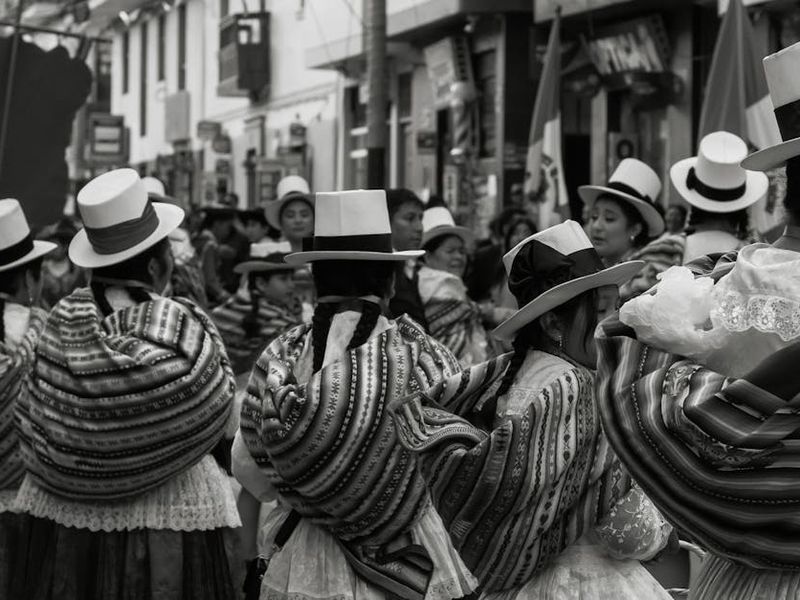
In downtown Cuenca and certain plazas, artisans display handwoven ponchos, alpaca sweaters, and hats made of paja toquilla (straw). Look for tight, even stitching in textiles and consistent weave patterns in hats; these are signs of quality. Silver jewelry influenced by filigree techniques is common, and vendors usually indicate whether a piece is sterling silver.
Tip: Compare prices across stalls. Many vendors source from the same towns, so checking a few booths gives you bargaining leverage and a sense of typical price ranges.
Day Trips to Gualaceo and Chordeleg: Where Tradition Meets Craft
For serious craft hunting, plan a short bus or taxi ride to nearby artisan towns. Gualaceo and Chordeleg—both within about an hour’s drive—are two of the best-known destinations for textiles, ceramics, and silverwork.
Gualaceo: Textiles, Ceramics, and Colorful Markets
Gualaceo has a rich market tradition. Here you’ll find vibrant textile workshops, locally-made ceramics, and a lively municipal market where farmers also sell produce. The town’s markets are less tourist-oriented than Cuenca’s, so prices for quality goods can be lower and interactions more authentic.
Chordeleg: Filigree Silver and Jewelry
Chordeleg is famous for delicate filigree silver jewelry. Shops there range from family workshops to small galleries. If you’re interested in purchasing silver, ask to see a maker’s mark or a certificate indicating sterling content. Visiting workshops gives you a chance to see artisans at work and to order custom pieces.
Tip: Bring a small, secure daypack when visiting artisan towns and keep valuables out of sight. Many workshops accept credit cards for larger purchases, but small purchases are often cash-only.
What to Buy: Fresh Produce and Andean Staples
Cuenca’s markets are ideal for stocking a kitchen with both familiar and uniquely Ecuadorian ingredients. Here are some staples to seek out and how to use them:
- Papas (potatoes): Ecuador has hundreds of native potato varieties suitable for soups, frying, or mash. Ask vendors which variety is best for llapingachos or thick stews.
- Mellocos and chochos: These small tubers and lupin beans are often used in soups and salads and are true Andean specialties.
- Fruits: Try naranjilla (used in drinks), tomate de árbol (tree tomato), granadilla, and seasonal tropical fruits that vary by month.
- Cheeses: Fresh quesillo and queso fresco are great for cooking or snacking. Some vendors also sell aged cheeses with stronger flavors.
- Herbs and spices: Local cilantro, culantro (weed with a similar profile), and native oregano are common and packed with flavor for salsas and soups.
What to Buy: Crafts and Souvenirs That Tell a Story
When purchasing crafts in Cuenca, prioritize quality and provenance. A few high-value items to consider:
- Paja toquilla hats: Authentic toquilla hats are handwoven and come in a range of grades; look for fine, close weaves and ask about the hat’s grade if you’re unsure.
- Alpaca and wool textiles: Ponchos, scarves, and sweaters made from alpaca or sheep’s wool are warm, durable, and often locally dyed.
- Silver filigree: Chordeleg pieces range from delicate earrings to intricate pendants; ask for a stamp or guarantee of silver purity for higher-priced items.
- Ceramics and leather goods: Hand-painted ceramics and well-made leather belts or bags can be long-lasting mementos if crafted by reputable artisans.
Practical Tips for a Smooth Market Experience
Markets can be overwhelming at first—here are practical pointers to make your visits easier and more enjoyable.
- Bring cash in small denominations: Many stalls don’t take cards. Having coins and small bills speeds up transactions and makes bargaining easier.
- Go early: For the best selection of produce and a calmer experience, arrive as stalls open. Late morning into early afternoon often sees lower prices as sellers look to clear stock.
- Ask questions: Vendors are usually proud of their products and will gladly explain how to prepare an unfamiliar ingredient.
- Sample before you buy: Many fruit and snack vendors will offer tastes—use this to find the freshest options.
- Pack wisely: Bring a reusable tote or collapsible crate. If you’re buying fragile items like ceramics, request extra padding or a box if available.
- Haggle politely: Bargaining is normal for crafts and larger purchases but less so for produce. Start about 20% below the asking price and remain friendly.
Food Safety and Etiquette
Eating at markets is one of the great joys of Cuenca, but basic caution keeps your visit trouble-free. Choose stalls with a steady stream of local customers (a good sign of freshness and cleanliness). Stick to hot, freshly prepared foods if you’re unsure about water or refrigeration at the stand. If you have dietary restrictions, ask vendors about ingredients—they are usually accommodating and can point you to safe options.
Sample Half-Day Market Itinerary
If you have half a day in Cuenca and want a market immersion, here’s a compact plan:
- 7:30am — Start at Mercado 10 de Agosto for produce and breakfast at a traditional food stall.
- 9:00am — Walk toward the historic center and stop at small neighborhood stalls for cheese or baked goods.
- 10:30am — Browse artisan booths near Parque Calderón or visit a nearby craft gallery to compare prices.
- 12:00pm — Head to a recommended restaurant or food stall for a lunch of hornado or mote and to recap purchases.
Supporting Local Producers and Responsible Shopping
Buying at markets in Cuenca directly supports small farmers and artisans. When possible, choose items that are clearly labeled as locally made. Ask about sustainable practices—many small producers use traditional farming methods that are gentle on the land. For crafts, inquire about materials and production methods to ensure fair compensation for makers and authentic workmanship.
Final Notes: Keep Exploring
Cuenca’s market scene is dynamic—new stalls appear, seasonal products change, and artisan collaborations bring fresh designs. Spend time with vendors, take note of what’s in season, and don’t be afraid to return to favorites. Whether you’re shopping for everyday groceries or looking for a statement handcrafted piece, Cuenca’s markets offer a memorable, delicious, and culturally rich experience that connects you directly to the people and places of the southern Andes.
Ready to start exploring? Pack a list of staples you need, an open mind for new flavors, and comfortable shoes—your best market discoveries often happen when you wander and ask the locals where they shop.