
Table of Contents
Why Spend a Week in Cuenca?
Cuenca’s compact historic center, leafy riverbanks and steady highland climate make it ideal for a relaxed seven-day visit. With a week, you can sample the city’s museums and markets, eat your way through Andean cuisine, and take a few memorable day trips into surrounding villages and national parks without rushing. This guide gives an easy-to-follow day-by-day plan plus practical tips for getting around, staying comfortable at altitude, and making the most of your time.
Quick Practical Tips Before You Go
Cuenca sits at about 2,560 meters (8,400 feet) above sea level—expect cool nights and strong sun during the day. Ecuador uses the U.S. dollar, ATMs are plentiful, and Spanish is the dominant language; many tourist-focused staff speak English but learning a few phrases helps. Pack layers, sunscreen, a rain jacket, and comfortable walking shoes. Taxis are affordable; buses are very cheap. Most restaurants add a 10% service charge but carry cash for street food and artisan markets.
How to Use This Itinerary
This plan balances sightseeing in the historic center, food experiences, cultural immersion and nature escapes. You can swap days 4 and 5 if you prefer mountains first or artisan villages earlier. Reserve any guided tours, culinary classes or national park visits in advance during high season (June–September) and long weekends.
Day 1: Arrival and the Historic Center Orientation
Arrive, drop your bags, and spend the afternoon gently exploring the Centro Histórico. Start at Parque Calderón—the city’s main plaza—where the impressive cathedral with its sky-blue domes dominates the skyline. Wander the surrounding streets to take in colonial facades, small plazas, and artisan shops.
Stroll along the riverside lanes that follow the Tomebamba River; these walkways are lined with trees, cafes and terraces and are perfect for acclimating while people-watching. For dinner, choose a restaurant near the plaza or a cozy spot on Calle Larga. Avoid heavy exertion the first day and keep hydrated to help adapt to the altitude.
Day 2: Museums, History and Local Markets
Dedicate this day to Cuenca’s museums and the bustling Mercado 10 de Agosto. Begin at Museo Pumapungo where you can see pre-Columbian ruins embedded in the site, learn about indigenous cultures, and view traditional textiles and artifacts. Nearby museums—like the Municipal Museum and smaller religious museums in former convents—offer diverse slices of local history and art.
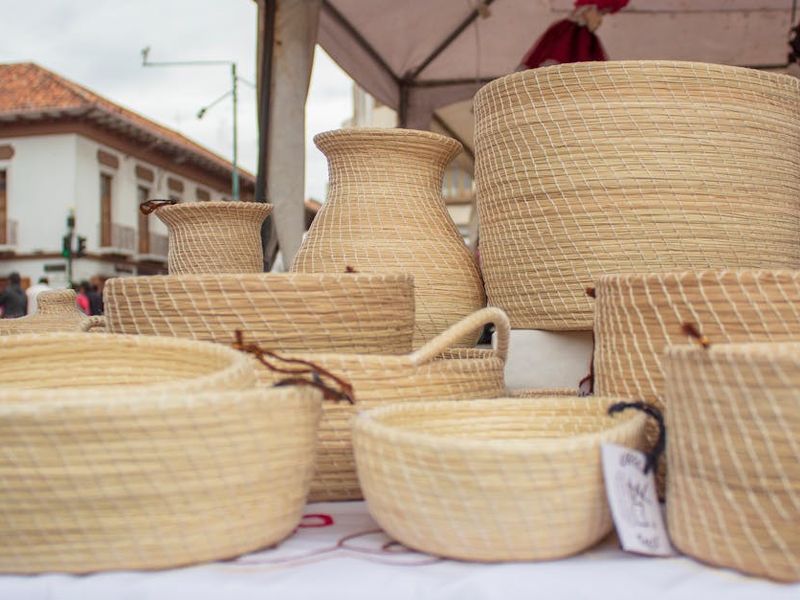
For lunch, head to Mercado 10 de Agosto to try hearty local dishes: llapingachos (potato patties), locro de papa (potato and cheese soup), hornado (slow-roasted pork) and freshly brewed Ecuadorian coffee. After lunch, browse the artisan stalls for Panama hats, woven goods and jewelry.
Day 3: River Walks, Artisan Streets and a Sunset View
Spend morning hours exploring the artisan neighborhoods on either side of the Tomebamba River. Visit boutique stores and galleries in the Barranco area or along Calle Larga, where you’ll find contemporary designers alongside traditional craftspeople. This is a great day to pick up silver jewelry from Chordeleg-style artisans or locally dyed textiles.
In the afternoon, climb or take a short taxi ride up to Mirador de Turi for a panoramic view of Cuenca’s red-tile roofs and church domes. It’s a particularly beautiful spot at sunset. Back in town, seek out a small music venue or cultural center for live Andean music and a relaxed evening.
Day 4: Day Trip to El Cajas National Park
Reserve a full day for Parque Nacional Cajas, a short drive from Cuenca and a must for nature lovers. The park’s high-altitude moorland is dotted with hundreds of glacial lakes and offers easy to moderate hikes. Typical itineraries include walks around lagunas (small mountain lakes) and stops at viewpoints; dress warmly—temperatures can be near freezing and weather changes rapidly.
Bring water, snacks, sturdy footwear and sunscreen. Many tour operators provide transportation and a guide, which simplifies access to trailheads and ensures you stay on marked paths. Return to Cuenca in the early evening for a warming dinner—soup and local bread are perfect after a day above 3,000 meters.
Day 5: Artisan Villages — Gualaceo, Chordeleg and the Craft Route
Dedicate a day to the famed artisan ring southeast of Cuenca. Gualaceo is known for weaving and textile markets, while Chordeleg specializes in silverwork, filigree and small jewelers. Both towns are connected by a scenic drive through valleys and farmland.
Many visitors combine both in a day trip: browse workshops, watch artisans at work, and purchase handmade pieces directly from makers. If you’re interested in jewelry, ask about silver hallmarks and basic care tips. Vendors are used to haggling, but be respectful—prices are often fair and crafts support local families.
Day 6: Food, Coffee and a Hands-On Experience
Half the joy of Cuenca is culinary. Spend today taking a cooking class, joining a food tour, or doing a coffee tasting with a local roaster. Popular classes teach how to prepare dishes like locro, llapingachos and crema de tomate, and sometimes include a trip to a market to buy ingredients.
If you prefer to relax, choose a specialty coffee shop for a tasting session—Ecuador produces excellent highland coffee—and pair it with local pastries like pan de yuca. For an evening treat, seek out a restaurant offering traditional roasted cuy (guinea pig) if you’re adventurous, or find a place with modern Ecuadorian cuisine for a contemporary twist.
Day 7: Slow Morning, Last-Minute Shopping and Farewell
On your final day, wake slowly and visit any spots you missed earlier—perhaps a quiet museum, a church interior you didn’t fully explore, or a rooftop for photos. Return to the artisan stalls to pick up souvenirs and reconfirm size and shipment options if you bought large textiles or fragile pottery.
Spend your last afternoon sipping a drink on a terrace beside the Tomebamba, take a final walk through Parque Calderón, and enjoy a relaxed farewell dinner with live music. If your flight or bus leaves late, consider storing luggage in your hotel and using the day to visit a café you loved one more time.
Alternative Half- and Full-Day Excursions
- Ingapirca archaeological site: Ecuador’s largest Inca ruin. It’s a longer day (plan for a multi-hour drive), but fascinating for history buffs.
- Local hot springs: There are smaller spa towns outside Cuenca where you can soak in thermal pools—perfect for a restorative afternoon.
- Photography walk: Hire a local photographer or join a photo tour to capture the city’s architecture and street life at the best light.
- Language and community immersion: A short-term Spanish lesson or volunteer half-day can deepen cultural understanding and create lasting memories.
Where to Stay for a Week
Pick a base within walking distance of Parque Calderón if you want immediate access to churches, restaurants and nightlife. For quieter nights, consider lodging along the Tomebamba River or in neighborhoods like San Roque or El Barranco. Boutique hotels in converted colonial homes often provide the charm of old Cuenca with modern comforts. If you plan day trips, choose accommodation that can help arrange tours or has a reliable taxi service.
Getting Around the City
Cuenca is very walkable in and around the historic core. For longer trips, yellow or red taxis are inexpensive; confirm the meter or agree on a price before you ride. City buses are frequent and cost under $1, making them the cheapest option for further neighborhoods. Rental cars are useful for day trips with flexible schedules, but roads into rural areas can be narrow and winding—drivers familiar with highland conditions are a plus.
Budgeting Your Week
A comfortable week in Cuenca can be quite affordable compared to North American or European cities. Expect modest hotel prices (boutique hotels vary), inexpensive public transport, and meals at local markets for just a few dollars. Mid-range restaurants will be more expensive but still reasonable. Allow extra funds for guided hikes, guided day trips to national parks, artisan purchases and a few special dinners.
Safety, Health and Practical Concerns
Cuenca is known for being one of Ecuador’s safer cities, but common-sense precautions apply: keep valuables discreet, use hotel safes, and avoid poorly lit streets late at night. Altitude can affect people differently—if you experience severe symptoms like dizziness or breathlessness, rest and seek medical attention. Travel insurance with medical evacuation or mountain-rescue coverage is recommended if you plan strenuous hikes. Mobile coverage is reliable with providers like Claro and Movistar; local SIM cards are inexpensive and easy to buy.
Seasonal Advice
Cuenca’s weather is mild year-round, but rainfall is heavier between October and May. The driest months are June through September—ideal for outdoor hikes and clearer vistas. Shoulder seasons still offer fewer crowds and softer light for photography, but plan for unexpected showers no matter when you visit.
Packing Checklist for a Week in Cuenca
- Layered clothing (long-sleeve shirts, light sweater, windbreaker)
- Comfortable walking shoes and a waterproof jacket
- Sunscreen, sunglasses and a sun hat
- Reusable water bottle and small daypack
- Basic Spanish phrase list or translation app
- Copies of important documents and extra cash for markets
Final Thoughts: Make It Your Own
Cuenca rewards slow travel. Use this seven-day template as a backbone, but allow room for serendipity: a local festival, a friendly shop owner who invites you into their workshop, or a hidden gallery with an impromptu show. Whether your week is filled with museums, markets, mountains, or meals, Cuenca’s warm plazas, riverside strolls and welcoming neighborhoods make it the kind of place you’ll want to return to.
Buen viaje—enjoy your week exploring one of Ecuador’s most charming cities.