
Table of Contents
Why a Week in Cuenca is the Perfect Introduction
Cuenca moves at a gentle pace that rewards lingering. One week gives you time to float between colonial plazas and riverside walks, dive into artisan markets, and escape for two restorative day trips into the highlands. This guide lays out a manageable, authentic week with practical tips—what to see each day, where to eat, how to get around, and how to handle the altitude and weather.
Quick Essentials Before You Go
Cuenca sits at about 2,560 meters (≈8,400 ft), uses the US dollar, and has a mild, spring-like climate year-round—though afternoons can bring rain outside the dry season (June–September). Spanish is the language of daily life; you’ll find English in hotels and tourist spots but learning a few phrases goes a long way. Taxis are cheap and plentiful, and many neighborhoods are walkable, especially the Centro Histórico along the Tomebamba River.
Health and Altitude Tips
Arrive rested, hydrate well, and take it easy the first day—short walks and plenty of water are enough for most visitors. If you have cardiac or respiratory issues, consult your doctor about altitude precautions. For mild symptoms, rest, fluids, and acetaminophen usually help; some travelers bring a short course of acetazolamide after consulting a physician.
Where to Stay: Neighborhoods that Suit a Week
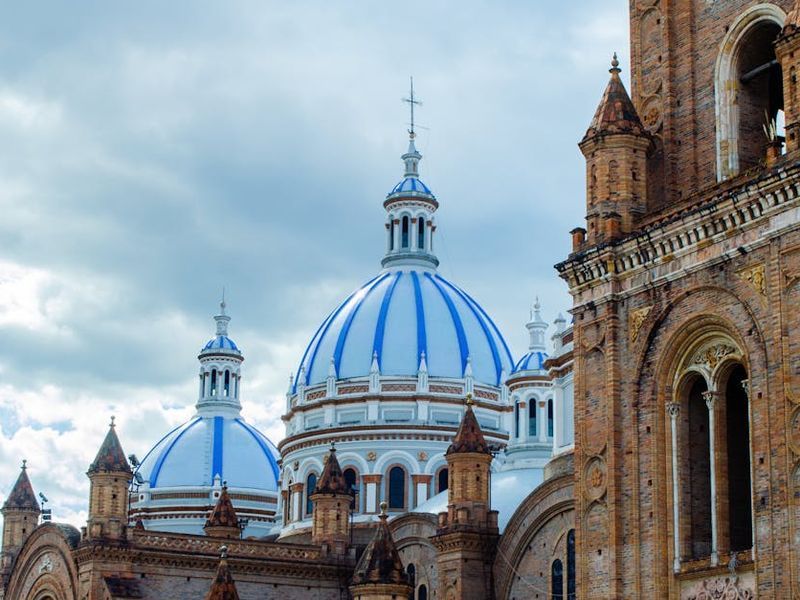
Choosing the right base makes a big difference. El Centro (Centro Histórico) is the obvious pick—close to the New Cathedral’s blue domes, museums, cafés and nightlife. The riverside neighborhoods along the Tomebamba offer charming guesthouses and easy walking paths. If you prefer quieter residential streets, look for accommodation in San Sebastián or near the Turi lookout for panoramic views and calmer nights.
One-Week Itinerary Overview
This day-by-day plan balances sightseeing, markets, museum time, and outdoor adventures. It leaves space for spontaneous discoveries—cafés, galleries, and artisan shops pop up on every block.
Day 1 — Historic Center and First Impressions
Start at Parque Calderón, Cuenca’s principal plaza. Spend your morning wandering the streets around the plaza, taking in the New Cathedral (Catedral de la Inmaculada Concepción) with its distinctive blue domes. Walk down to the Tomebamba River and follow the flower-lined riverbanks—the Paseo del Río—for a serene introduction to the city’s layout.
In the afternoon, visit Museo Pumapungo, a short walk from the plaza. Its archaeological remains, ethnographic exhibits and an ethnobotanical garden offer context for the Azuay region before you dive deeper. For dinner, try a local market or a traditional restaurant and sample hornado (roast pork), llapingachos (potato patties), or a fresh ceviche if you prefer seafood.
Day 2 — Markets, Food & Artisan Shopping
Dedicate today to markets and craft shopping. Start at the Mercado Central (food market) for fresh produce, empanadas de viento, and the vibrant pulse of local commerce. Nearby artisan markets and boutiques sell Panama hats, handwoven textiles, and silver filigree jewelry—Chordeleg, the silver center of the region, is well represented here.
In the afternoon, look for a chocolate or coffee tasting—Ecuador grows outstanding cacao and highland coffee. Many small shops in the center let you sample single-origin beans and learn about local processing methods.
Day 3 — Museums, Churches and Rooftop Views
Spend a slower cultural day visiting museums like the Museo del Banco Central or the Casa de la Cultura (check current exhibitions online). Climb the bell tower of the New Cathedral for one of the best rooftop views of the city. End the day at a rooftop bar or café to watch sunset light turn the red-tile roofs golden—book ahead for popular spots on weekend evenings.
Day 4 — Day Trip to Cajas National Park
Cajas National Park is a must for hikers and nature lovers. A 45–90 minute drive from Cuenca, its páramo landscapes and glacial lakes feel otherworldly. Plan for a half-day to full-day hike—popular circuits include the lagoons near Toreadora or Llaviuco. Layer warm clothing and bring water, snacks, and sturdy footwear. If you prefer a guided option, many local agencies offer morning departures with transportation and trail guidance.
Day 5 — Artisan Towns: Chordeleg and Gualaceo
Head south into the Paute valley to visit Chordeleg and Gualaceo—two artisan towns known for silverwork, textiles, and a lively market scene. Chordeleg’s jewelry stores are perfect for picking up filigree earrings or bracelets; Gualaceo’s market has fresh fruit, local sweets, and leather goods. If the day of the week aligns, you’ll catch larger regional markets where locals from surrounding villages trade goods and produce.
Day 6 — Ingapirca Ruins and Andean Culture
Ingapirca, Ecuador’s most significant Inca archaeological site, is about 90–120 minutes from Cuenca. The stone temples and preserved walls are fascinating for history buffs. Combine the ruins with a stop at a nearby village for a taste of highland culture—look for local food stands serving soups, bread, and handmade sweets.
Day 7 — Free Day and Neighborhood Meandering
Use your last day to revisit favorite spots, explore a museum you missed, or simply wander a neighborhood you found charming. Take a long lunch at a riverside café, buy last-minute souvenirs, and treat yourself to helado de paila (traditional hand-churned ice cream) from a street vendor. In the evening, stroll the Paseo 10 de Agosto or a similar lively avenue and soak in Cuenca’s relaxed nightlife.
Getting Around: Practical Transport Tips
Cuenca is highly walkable within the historic center. For longer trips, taxis are inexpensive; agree on a fare before you start or insist the driver use the meter (“taxímetro”). Ride-hailing apps operate intermittently—ask your accommodation host for the latest reliable app or trusted taxi company. For day trips to Cajas or Ingapirca, many visitors book a guided tour or rent a car for flexibility. If you rent, roads are well-paved but can be narrow in mountain sections—drive carefully and avoid night driving in rural areas.
Food & Drink: What to Try and Where
Cuenca has a lively food scene mixing traditional Ecuadorian fare with modern, farm-to-table restaurants. Must-try local dishes include:
- Hornado – slow-roasted pork with corn and potatoes
- Fanesca – a seasonal soup served around Easter
- Cuy – roasted guinea pig, a traditional Andean specialty (try it at a well-reviewed traditional restaurant)
- Helado de paila – artisanal sorbet made in a copper pan
- Highland coffee and single-origin Ecuadorian chocolate
Visit the Mercado Central for casual eats and local flavor, and book at least one dinner at a contemporary Cuencan kitchen to sample creative interpretations of Ecuadorian ingredients.
Safety, Money and Practicalities
Cuenca is considered one of Ecuador’s safest cities for travelers, yet petty theft can occur—use a money belt or inside jacket pocket for valuables, and avoid displaying expensive cameras or jewelry. Most places accept cards, but small vendors and markets are cash-only; have small bills and coins ready. ATMs are plentiful but use machines in bank lobbies when possible to reduce card skimming risk.
Connectivity and Communication
Wi-Fi is available in most hotels and cafés. Buying a local SIM is inexpensive if you need reliable mobile data for maps and translation apps—ask your hotel to point you to a reputable provider. Keep an offline map of Cuenca downloaded in case remote areas have weak service.
Weather, What to Pack and Seasonal Notes
Cuenca’s climate is famously temperate. Days can be sunny and warm, while nights are cool—layering is essential. Packing essentials include a waterproof jacket, a warm fleece, comfortable walking shoes, and sunscreen. In the rainy season (roughly Oct–May), plan indoor options if afternoon showers are likely. If you plan to hike in Cajas, include waterproof hiking boots and thermal layers for the high-altitude winds.
Culture, Festivals and Local Etiquette
Cuenca has a lively cultural calendar: from religious processions during Holy Week to music festivals and indigenous craft fairs. If your visit coincides with a festival, expect busy streets, colorful parades, and vibrant local cuisine. Etiquette tips: greet shopkeepers and servers with a polite “buenos días” or “buenas tardes,” ask before photographing people, and tip modestly in restaurants (10% is appreciated but not always expected).
Extra Tips for a Smooth, Authentic Week
- Book popular museum tickets and rooftop restaurants in advance during high season.
- Learn a few Spanish phrases—people appreciate the effort and it often leads to better service and local recommendations.
- Ask your hotel for trusted taxi numbers and recommendations for guided day trips; local operators often employ knowledgeable bilingual guides.
- Carry a small daypack with snacks, water, sun protection and a light rain shell for daily excursions.
- Be open to slow afternoons—Cuencanos value time with family, long lunches and relaxed evenings. Some of the best discoveries happen while simply lingering in a plaza café.
Final Thoughts: Make Time to Unplug
A week in Cuenca works because the city rewards lingering. Instead of packing every minute with attractions, leave space for unscripted moments: a coffee tasting in a tiny shop, a stroll along the Tomebamba as afternoon light glints off the water, or an impromptu conversation with an artisan about the technique behind their filigree work. Follow the suggested itinerary, but allow room for curiosity—those unplanned detours often become the most memorable parts of your trip.
With these tips and the seven-day plan, you’ll leave Cuenca with a rich taste of Andean life, thoughtful souvenirs, and plenty of reasons to return.