
Table of Contents
Why Cuenca Is a Top Choice for Dental Travel
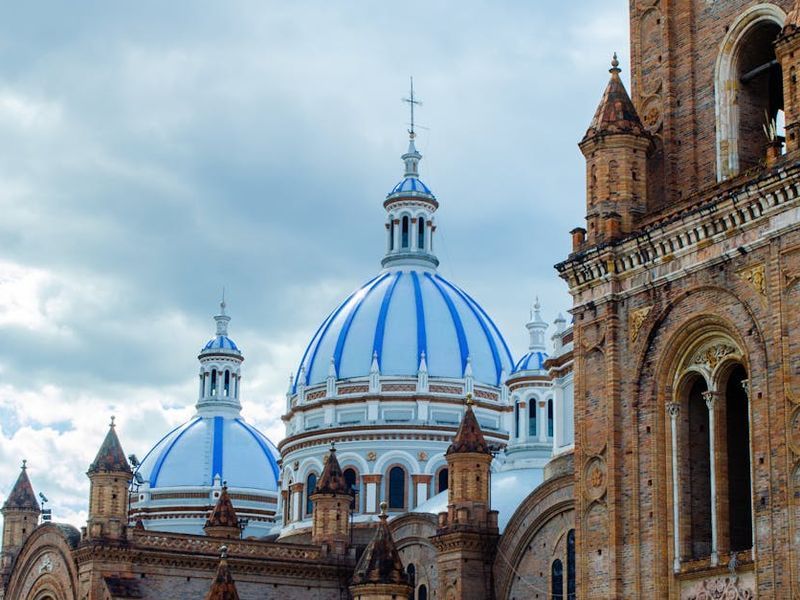
Cuenca, Ecuador, blends colonial charm, comfortable year-round weather, and modern dental clinics — a combination that makes it an appealing destination for dental travelers. The city’s historic center, pedestrian-friendly streets, and relatively low cost of living allow patients to pair treatment with a relaxed recovery period. But maximizing value requires planning: choosing the right clinic, understanding local logistics, and setting realistic expectations for timelines and outcomes.
Start with a Clear Treatment Plan Before You Go
Invest time in a thorough pre-trip consultation. Many Cuenca dentists offer video or email consultations: send recent dental records, X-rays, and photos so the clinic can provide a preliminary plan and a written cost estimate. Be sure the estimate lists every item — diagnostics, temporary restorations, lab fees, medications, and follow-up visits — and outlines the expected number of visits and approximate timeline.
Collect Your Records
Bring digital or physical copies of prior dental work, imaging (periapical or panoramic X-rays), and a list of current medications or any medical conditions. If you have had implants, crowns, or root canal therapy in the past, notify the Cuenca dentist so they can coordinate with your home provider if needed.
How to Choose a Clinic in Cuenca
Not all clinics are the same. Look for transparency, clear communication in English (if you don’t speak Spanish), patient reviews, and a willingness to share credentials. Ask about the dentist’s education and specialized training, the types of materials and implant brands they use, and whether their lab work is done in-house or outsourced to a local dental laboratory.
Questions to Ask Prospective Dentists
- Can you provide before-and-after photos and patient references?
- Which implant systems and crown materials do you use — and do you have manufacturer warranties?
- Where is the dental laboratory located and who fabricates the restorations?
- What anesthetic/sedation options are available, and what are the costs?
- What is included in the written estimate, and what could trigger extra charges?
Understanding Costs and Value
Cuenca’s fees are generally lower than in North America and Europe, but price shouldn’t be the only factor. Consider the long-term value: high-quality materials and precise lab work are essential for durability. Rather than chasing the lowest quote, look for clinics that balance competitive pricing with documented quality and patient satisfaction.
Budgeting Tips
- Get multiple quotes and compare itemized lists, not just a final number.
- Ask about bundled pricing for multi-step treatments (e.g., implant + crown).
- Factor in travel expenses: airfare, accommodation, meals, taxis, and extra nights for unexpected delays.
- Confirm accepted payment methods (credit card, bank transfer, cash) and whether international transaction fees apply.
Timing Your Trip: How Long to Stay and When to Go
Treatment length depends on procedures. Simple work like crowns or root canals can often be completed in one or two visits over a week. Dental implants usually require multiple phases and several months between surgery and final restoration. Many travelers schedule implant surgery in Cuenca and return home for healing, then come back for the final crown placement.
Sample 10-Day Itinerary for Common Procedures
- Day 1: Arrival, initial exam, additional X-rays if needed.
- Day 2: First treatment (cleaning, fillings, impressions).
- Day 3–5: Rest and follow-up (temporary crowns placed if needed).
- Day 6: Adjustments and final impressions or delivery of temporary dental appliances.
- Day 7–10: Recovery, final check, or return flight.
For implant surgery, plan for a surgery day plus 48–72 hours in Cuenca for immediate post-op care. Follow your dentist’s specific post-op timing before flying home; some recommend waiting several days to minimize swelling and discomfort during flights.
Where to Stay: Neighborhoods and Practical Considerations
Choose accommodation close to your dental clinic to minimize transit after procedures. The historic center (Centro Histórico) around Parque Calderón puts you within walking distance of many clinics, restaurants, and pharmacies. For quieter recovery with good access, consider neighborhoods like El Vergel or San Sebastián, which offer comfortable short-term rentals and easy taxi access.
Accessibility and Comfort
- Look for accommodations with elevator access if climbing stairs is difficult post-procedure.
- Choose a place with a kitchenette if you’ll need to prepare soft foods during recovery.
- Confirm Wi-Fi and reliable phone service for remote consultations if follow-ups are arranged.
Getting Around Cuenca
Cuenca is easy to navigate. Taxis are affordable and plentiful; many patients prefer private transfers to minimize walking after treatment. Rideshare apps and local taxi services can be used to schedule pickups to and from the clinic. If you prefer self-sufficiency, short-term car rentals are available, but remember Cuenca’s narrow streets and limited parking in the historic center.
Packing and Practical Health Tips
Cuenca sits at an altitude of about 2,560 meters (8,400 feet). This mild high-altitude environment can mean increased dryness and slightly slower healing for some patients. Hydration is key. Pack comfortable clothing, extra layers (the weather can change quickly), and a basic recovery kit: a soft-bristle toothbrush, saline rinse, anti-inflammatory medication (as advised by your dentist), ice packs, and small containers for soft meals.
Medical Precautions
- Notify your dentist about heart conditions, diabetes, or medications like blood thinners and bisphosphonates.
- If you require medical clearance, obtain it before travel; have digital copies accessible.
- Consider travel insurance that covers medical emergencies and trip interruption.
Communication and Language
Spanish is the primary language in Cuenca, and many dental clinics serving international patients have English-speaking staff. Still, learning a few key phrases and using translation apps for quick communication can reduce misunderstandings. Request written treatment plans and consent forms in a language you understand.
Aftercare, Follow-Up, and Long-Term Maintenance
After your procedure, follow the dentist’s post-op instructions precisely. Maintain a soft diet as recommended, avoid smoking and alcohol during the initial healing period, and attend any scheduled follow-ups. If complications arise after you return home, have a clear plan: obtain post-op notes, X-rays, and contact information for your Cuenca dentist to facilitate communication with your local provider.
Finding Local Support After You Return Home
- Ask your Cuenca dentist to send a comprehensive treatment summary and any imaging for your records.
- Schedule follow-up appointments with your regular dentist at home to monitor healing and restorations.
- Confirm warranties on materials and understand the fine print for cross-border care.
Safety, Legal Protections, and Quality Assurance
While Ecuador has competent and experienced dental professionals, patients should verify credentials and clinics’ reputations. Look for dentists who are members of national or regional dental associations and those who provide clear written consents and itemized bills. Online expat forums and local Facebook groups are valuable resources for firsthand patient feedback.
Exploring Cuenca During Recovery
Cuenca is ideal for low-impact sightseeing. Gentle walks in the historic center, visits to museums like the Museo Pumapungo, or relaxed afternoons at riverside parks offer pleasant distractions without taxing your recovery. Try mild local foods like avocado, rice, soups, and soft stews while you heal. Avoid strenuous hiking or high-altitude excursions immediately after major oral surgery.
Realistic Expectations: What Success Looks Like
Dental travel can deliver outstanding results when approached thoughtfully. Success hinges on clear communication, realistic timelines, and choosing materials and techniques that fit your long-term goals. Prepare for the possibility of extra appointments and budget accordingly. When patients prioritize quality and planning over bargain-hunting, Cuenca often delivers both excellent care and an enjoyable travel experience.
Final Checklist Before You Book
- Obtain a detailed written treatment plan and itemized quote.
- Verify dentist credentials and ask for patient references or reviews.
- Confirm logistics: clinic location, transport options, and accommodation proximity.
- Plan recovery time with conservative buffers for travel delays or additional care.
- Arrange for translation support or confirm English-speaking staff availability.
- Ensure you have full records and post-op documentation to take home.
With thoughtful planning and an eye for quality, your dental trip to Cuenca can be efficient, affordable, and even restorative in more ways than one. Treat the journey as part medical appointment, part restful getaway — and you’ll leave with improved dental health and a refreshed spirit.