
Table of Contents
Why a Week in Cuenca Is the Right Choice
Nestled high in the southern Ecuadorian Andes, Cuenca’s compact colonial center, tree-lined rivers, and nearby highland landscapes make it ideal for a slow, discovery-driven week. Designated a UNESCO World Heritage site, the city offers a charming mix of heritage architecture, artisan markets, contemporary cafés, and easy access to natural attractions—perfect for travelers who want to unpack their bag and really absorb local life.
Quick Practical Snapshot: What to Know Before You Go
Cuenca sits at about 2,500 meters (8,200 ft) above sea level, so plan a gentler first day while your body adjusts. Ecuador uses the U.S. dollar, and the city’s historic center is highly walkable; taxis and local buses cover the rest. The weather is famously mild—bring layers for chilly mornings and a rain jacket for occasional showers. Spanish is the dominant language; learning a few phrases will go a long way.
Day-by-Day Itinerary: How to Spend Your Seven Days
Day 1 – Arrival and Riverside Stroll
Land, settle into your hotel, and enjoy a relaxed afternoon exploring the heart of the city. Start at the central square to see the iconic cathedral with its striking blue domes, then wander down to the Tomebamba River. The leafy riverside promenades and stone bridges are perfect for easing into Cuenca’s rhythm. In the evening, choose a nearby restaurant for local specialties such as llapingachos (potato pancakes) and hornado (roast pork).
Day 2 – Museums and History
Spend a cultural day visiting museums and historical sites. Dedicate time to Museo Pumapungo, where you can explore archaeological displays and ethnographic exhibits tied to the region’s indigenous cultures. Mix in a visit to the local history museum or the municipal art spaces, and don’t skip the city’s church interiors, which often house stunning religious art and architecture. End the afternoon at Plaza de las Flores or a nearby artisan market for handicrafts and textiles.
Day 3 – El Barranco and Hidden Corners
Explore El Barranco, the canyon-side neighborhood south of the historic center. This area has been revitalized into a cultural and dining corridor with terraces overlooking the river. Walk narrow lanes, pop into galleries and boutique stores along Calle Larga, and sample coffee at a café with a view. If you’re visiting on a weekend, search for small concerts or cultural happenings in the neighborhood’s bars and live-music venues.
Day 4 – Cajas National Park Day Trip
Reserve a day for Parque Nacional Cajas, an otherworldly páramo landscape of glacial lakes and windswept grasslands less than an hour’s drive from Cuenca. Hike well-marked trails around crystal lakes, watch for waterfowl, and experience the stark beauty of the high Andes. Bring warm clothing, water, and sturdy shoes—weather shifts quickly and trails can be rugged. Many tour operators run guided day trips, or you can rent a car to explore at your own pace.
Day 5 – Artisans’ Route: Gualaceo & Chordeleg
Take a craft-centered day trip east to the artisan towns of Gualaceo and Chordeleg. These towns are renowned for textiles, handmade jewelry, and silverwork. Browse workshop storefronts, watch artisans at work, and pick up high-quality souvenirs like silver filigree jewelry and woven goods. A guided tour can include a stop at a local market where regional produce and traditional snacks give a taste of rural Ecuadorian life.
Day 6 – Food, Cooking Class, and Markets
Spend a day immersed in Cuenca’s culinary scene. Start with a visit to one of the city’s bustling markets—look for fresh cheeses, local fruits, and street food favorites. Consider booking a cooking class with a local chef to learn how to prepare Ecuadorian staples like llapingachos, locro (potato soup), or ceviche. In the evening, enjoy a multi-course dinner at a top-rated restaurant or sample several small plates at a tapas-style spot.
Day 7 – Miradors, Farewell Walks, and Last-Minute Shopping
Reserve your final day for what you missed or want to return to. Head up to Mirador Turi for panoramic views of Cuenca and the surrounding valleys, then return to the historic center for last-minute shopping—look for handwoven textiles, leather goods, and, of course, Panama hats sold throughout the city. Finish with a leisurely dinner on a terrace, enjoying the river’s lights and reflecting on the week.
Where to Eat and Drink: Local Picks
Cuenca’s food scene blends traditional Andean fare with creative contemporary cuisine. For quick bites, try street stalls and market vendors selling empanadas and fresh juices. Mid-range restaurants offer hearty plates of hornado, mote and plantains, while an increasing number of bistros highlight seasonal produce and modern techniques. Coffee shops line the river; they’re ideal for people-watching and planning the next stop on your itinerary.
Nightlife and Cultural Evenings
Nights in Cuenca tend to be relaxed. You’ll find live music at bars in El Barranco and near the central plaza, along with intimate theaters and cultural centers that host plays, dance and music. If you’re visiting during a festival—such as the spring flower and fruit fairs—the nightlife swells with parades and open-air concerts. For a low-key evening, choose a rooftop bar or a riverside café with soft lighting.
Health, Safety, and Practical Tips
- Altitude: Take it easy on day one, hydrate, and avoid heavy exercise until you feel acclimatized. Over-the-counter remedies for headaches can help if you experience mild altitude symptoms.
- Money: Ecuador uses the U.S. dollar. Many shops and restaurants accept cards, but carry small bills and coins for markets, tips, and taxis.
- Safety: Cuenca is generally considered safe for tourists, but pickpocketing can happen in crowded areas. Use common-sense precautions: keep valuables secure, use hotel safes, and use licensed taxis at night.
- Language: Spanish is dominant; learning basic phrases will enhance interactions—many hospitality staff speak some English, but not always in smaller shops.
- Connectivity: Cafés and hotels offer Wi-Fi; consider a local SIM if you need reliable data on day trips.
Getting Around: Practical Transport Tips
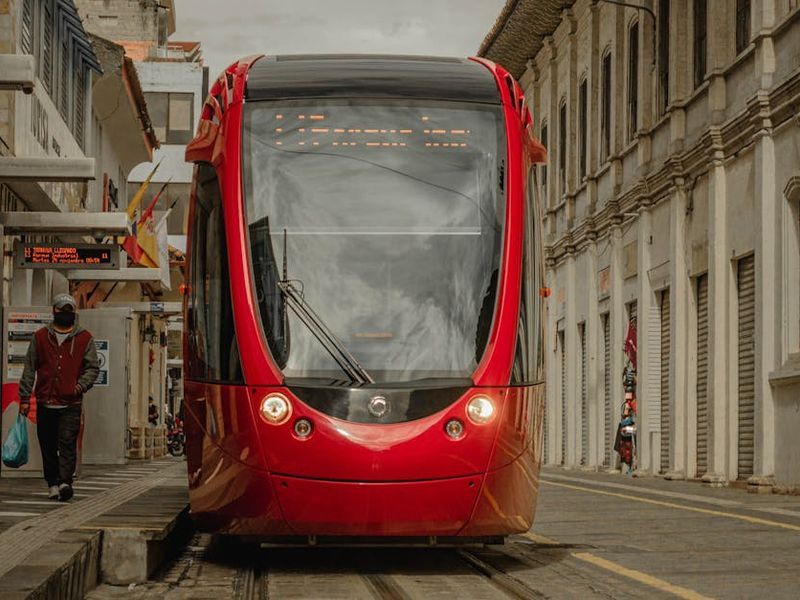
The historic center is compact and best explored on foot. For farther destinations—parks, artisan towns, or viewpoints—taxis are affordable and plentiful, and many tour operators run comfortable day trips. Local buses are the cheapest option and connect to most neighborhoods and nearby towns, but schedules and routes can be confusing for first-time visitors. If you plan multiple day trips, a rental car gives flexibility, though driving in mountain roads requires caution.
Where to Stay: Neighborhoods That Fit Your Style
Choose accommodations based on what you want to focus on. The historic center (El Centro) keeps you within walking distance of major sights, cafés, and restaurants. El Barranco and areas along the riverside offer quieter, scenic stays with a creative vibe. For a residential feel and easy access to parks, look for lodging a bit farther from the main plaza. Most hotels and guesthouses can arrange airport transfers and day tours.
Packing Checklist for a Week in Cuenca
- Layered clothing: cool mornings and milder afternoons are typical.
- Good walking shoes for cobblestones and uneven sidewalks.
- Waterproof jacket or compact umbrella for sudden showers.
- Sunscreen and sunglasses—high-altitude sun is strong.
- Basic Spanish phrasebook or offline translation app.
- Reusable water bottle and day pack for excursions.
Smart Extras: Make the Most of Your Week
- Plan one unstructured day to linger—Cuenca rewards slow travel.
- Book popular museum or tour slots in advance during high season.
- Try local specialties at food stalls as well as restaurants to get the full culinary range.
- If you’re an art or craft shopper, allocate a big luggage slot for purchases you’ll want to bring home.
Alternative Day Trips and Longer Excursions
Beyond Cajas and the artisan towns, consider regional boat or valley tours, or a multi-day hike that explores highland communities and cloud forest edges. If you have extra days, loop further into southern Ecuador to visit colonial towns, volcanic landscapes, or coastal destinations—each offers a different flavor of the country’s diverse ecosystems and cultures.
Final Thoughts: Why Cuenca Rewards a Full Week
Cuenca isn’t a place to rush. Its strength is the layered experience that unfolds slowly—mornings at markets, afternoons in museums, evenings watching the river lights. This one-week plan balances cultural immersion, outdoor adventure, and local flavors, giving you a rounded taste of Ecuador’s highland heart. Whether you’re a history buff, a foodie, an outdoor lover, or a slow traveler, a week in Cuenca lets you settle in, breathe, and leave with a sense of having truly lived in the city, not just visited it.
Ready to plan your week? Start by setting a relaxed arrival day, pick one or two key day trips you won’t miss, and let the rest of your schedule be shaped by discoveries made along Cuenca’s sunny plazas and riverside walks.