
Table of Contents
Why Cuenca Feels So Serene
Cuenca’s tranquility is immediate: cobblestone streets, the gentle flow of the Tomebamba River, and the cathedral’s blue domes framed by surrounding hills. The city’s historic center is a UNESCO World Heritage site, and the pace here reflects generations of small businesses, lingering lunches, and a strong neighborhood culture. At roughly 2,560 meters (about 8,400 feet) altitude, the climate is refreshingly spring-like year-round, which encourages outdoor strolls over frantic errands.
More than quiet streets—it’s a different tempo
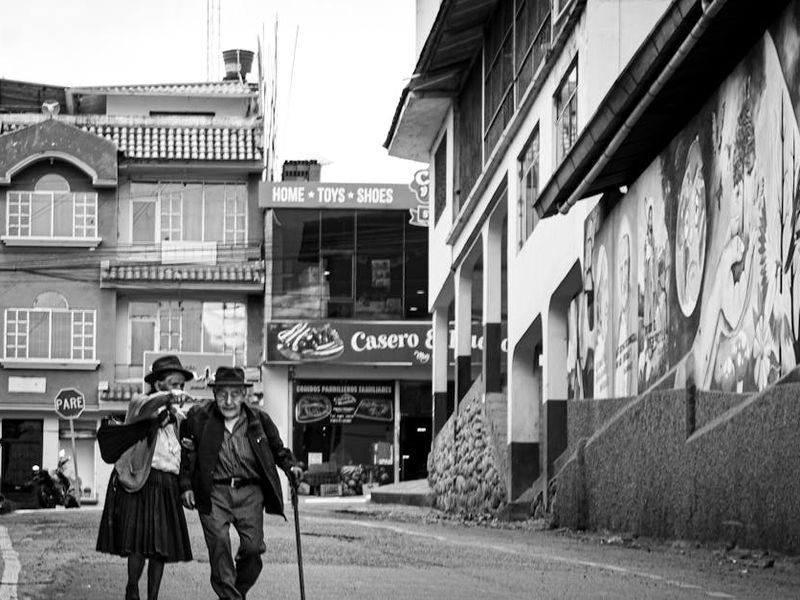
Tranquility in Cuenca is not emptiness. It’s a slower rhythm that prioritizes relationships, lingering conversations, and more time for reflection. For newcomers raised on fast-paced urban routines, this can feel like a gift—or a challenge. The balance lies in recognizing what to retain from your old life and what to adapt to fully enjoy the benefits of living here.
First Steps: Practical Habits for Newcomers
When you arrive, adopt a few practical habits that make daily life smoother and ease the shock of slowing down:
- Carry a light jacket and sunscreen. UV levels at high altitudes are strong; the weather can shift between sun and drizzle quickly.
- Keep small change. Many shops, taxis, and market vendors prefer coins and small bills.
- Learn a few practical Spanish phrases. A little effort pays off immediately—simpler transactions, friendlier responses, and smoother interactions with vendors and neighbors.
Get acquainted with neighborhoods
Explore El Centro to feel the city’s historic heart—walk along the riverside by the Tomebamba, visit Parque Calderón, and take in the view from Turi. Stroll through San Sebastián and discover quieter lanes with artisan shops. If you prefer newer developments, Yanuncay and surrounding neighborhoods offer more modern apartment complexes and parks. Spending time in different areas helps you find the pace and amenities you prefer.
Daily Life: Adjusting Routines Without Losing Comfort
Adapting to Cuenca’s pace often comes down to reworking routines. Instead of trying to speed everything up, design habits that honor the slower rhythm:
- Plan errands around midday closures. Many small businesses slow down for almuerzo—usually between 12:00 and 2:00 pm—so schedule bank visits or bureaucratic appointments for mid-morning or late afternoon.
- Embrace walking. The city’s compact center and pleasant riverside paths reward pedestrians. Walking replaces short car trips and creates opportunities to meet neighbors.
- Create an intentional morning ritual. A relaxed coffee, a walk by the river, or a visit to a local market creates a day structure that doesn’t depend on constant speed.
Work patterns and productivity
If you work remotely or as a freelancer, set clear work windows and communicate them to colleagues. Block uninterrupted time in the mornings—banks, government offices, and many service providers are most responsive then. For those working in-person, expect appointments and meetings to start a little later than advertised; patience and light humor go a long way.
Social Life: Building Community in a Calm City
Cuenca’s social life centers on plazas, cafés, neighborhood markets, and cultural events. It’s a great place to build meaningful connections if you shift your expectations from quantity to quality.
Find the right social circles
Join language exchanges, volunteer groups, and expat meetups to meet both locals and other foreigners. Local markets and artisanal fairs are not only great for shopping but also for striking up conversations. Seek out smaller groups—book clubs, walking tours, yoga classes—where regular attendance fosters friendships naturally over time.
Blend local and expat routines
Reserve some socializing for local traditions: an afternoon coffee at a panadería, an evening at a small live-music venue, or weekend visits to craft markets. Balance that with expat gatherings so you can share experiences and practical tips without feeling isolated.
Health, Safety, and Well-Being
Cuenca offers reliable healthcare options, including public and private clinics. Many expats find that private clinics provide English-speaking staff and efficient service. Still, it’s wise to have a primary doctor, understand basic emergency routes, and enroll in a health plan that fits your needs.
Practical health tips
- Hydrate regularly—high altitude can increase dehydration.
- Use strong sunscreen to guard against UV exposure.
- Maintain a steady sleep schedule to help with altitude adjustment and energy levels.
Mental health: coping with slower rhythms
Transitioning to a slower life can temporarily trigger restlessness or anxiety. Keep a routine that includes exercise, regular social contact, and hobbies. Many expats find therapy or counseling helpful; look for bilingual providers or English-language support groups if needed.
Transport, Money, and Everyday Logistics
Getting around Cuenca is straightforward. The Tranvía (tram) connects major arteries and is useful for commuting through the central areas. Taxis are inexpensive and numerous; negotiate or confirm the fare if meters aren’t used. Public buses cover the city extensively, but routes can be confusing at first—use local transit apps or ask shopkeepers for directions.
Banking and money tips
Banco del Pacífico and Banco Pichincha, among others, operate in Cuenca. ATMs are plentiful, but carry cash when visiting markets or small shops. For long-term residents, setting up a local bank account simplifies bill payments and local purchases. Many businesses accept debit and credit cards, but smaller vendors often prefer cash.
Embracing Local Habits and Culture
To truly enjoy the relaxed lifestyle, adopt a few local habits that open doors to friendships and smoother living:
- Eat like a local: enjoy hearty soups like locro de papas and try street treats like helado de paila. Mealtimes can be social and unhurried.
- Support small businesses: frequent panaderías and artisan shops to build rapport and receive friendlier service.
- Practice small-town politeness: greet neighbors, say buenos días, and smile. Relationships are currency here.
Festivals and cultural rhythms
Cuenca’s cultural calendar is lively but unhurried. Religious processions, artisan markets, and local music nights are common. Plan to attend events with the expectation of relaxed timing—processions may start late, and celebrations often span entire afternoons.
Language: From Survival to Flourishing
Even a modest improvement in Spanish multiplies your enjoyment of Cuenca. Start with practical phrases, then join conversational classes or language exchange meetups. Locals appreciate the effort, and your ability to dive into conversations in markets and cafés enhances both safety and social life.
Practical ways to learn
- Take daily micro-lessons—15 minutes on vocabulary tied to food, transit, and banking.
- Practice with neighbors and shopkeepers—ordering coffee is a great low-pressure drill.
- Join a weekly language exchange in a café near Parque Calderón to meet both locals and travelers.
Stories from Newcomers: Small Examples That Make a Big Difference
Consider Maria, a recent arrival who felt frustrated with slow service at government offices. Instead of increasing her stress, she blocked two mornings in her calendar—one for appointments and another for follow-ups—paired with a walk along the river afterward to decompress. Or James, who sought friends by volunteering at a local library; the slower rhythm of community work helped him connect more deeply than frequenting noisy expat bars.
Turning quiet days into productive ones
Use quieter afternoons for hobbies—painting, reading local history, or gardening on a balcony. These activities fit Cuenca’s tempo and build a sense of belonging. Track your progress and celebrate small wins: mastering a Spanish menu, making a new friend at the market, or finding a favorite quiet bench by the river.
Final Tips: Patience, Curiosity, and Routine
Adapting to Cuenca’s relaxed lifestyle is a gradual shift—one that rewards curiosity and patience. Here are quick reminders to keep you grounded:
- Accept that some things take longer here; use the time to observe and reflect.
- Create a predictable personal routine that harmonizes with local rhythms.
- Invest in relationships—neighbors, shopkeepers, and local professionals will become your best resources.
Cuenca’s peacefulness can feel like a retreat from hustle—but it can also be a place to build a fuller, more intentional life. By mixing practical adjustments with small cultural shifts, you’ll find the city’s slower tempo not a pause, but a rhythm that lets you breathe, connect, and flourish.
Resources to Explore
When you’re ready, look for local community centers, cultural calendars, and expat meetups online to jumpstart your social life. Take a tram ride through the city, discover a weekly artisan market, and let the river walks guide your days. Over time, the relaxed pace will stop feeling foreign and start feeling like home.
Adam Elliot Altholtz serves as the Administrator & Patient Coordinator of the “Smilehealth Ecuador Dental Clinic“, along with his fellow Expats’ beloved ‘Dr. No Pain‘, right here in Cuenca, Ecuador, and for purposes of discussing all your Dental needs and questions, is available virtually 24/7 on all 365 days of the year, including holidays. Adam proudly responds to ALL Expat patients from at least 7:00am to 9:00pm Ecuador time, again every single day of the year (and once more even on holidays), when you write to him by email at info@smilehealthecuador.com and also by inquiry submitted on the Dental Clinic’s fully detailed website of www.smilehealthecuador.com for you to visit any time, by day or night. Plus, you can reach Adam directly by WhatsApp at +593 98 392 9606 -or by his US phone number of 1‐(941)‐227‐0114, and the Dental Clinic’s Ecuador phone number for local Expats residing in Cuenca is 07‐410‐8745. ALWAYS, you will receive your full Dental Service in English (NEVER in Spanish), per you as an Expat either living in or desiring to visit Cuenca by your Dental Vacation, plus also to enjoy all of Ecuador’s wonders that are just waiting for you to come arouse and delight your senses.