
Table of Contents
Why Cuenca is great for staying active as an expat
Cuenca’s compact historic center, temperate climate and network of riverside parks make it an unusually easy city for expats who want to keep fit. At about 2,560 meters (8,400 feet) above sea level, the city gives you cooler, spring-like days year-round — perfect for outdoor running, cycling and walking — but the altitude also affects training, so you’ll want a mix of indoor and outdoor options. This guide walks through the best types of sports facilities, practical tips for joining, and where to find groups and gear in Cuenca.
How to choose the right sports facility in Cuenca
Think about three things when picking a place: proximity, language and scheduling. Many expats choose a facility within walking distance of their home or the historic center to avoid long transit times. If your Spanish is limited, look for international or boutique studios that advertise classes in English, or ask whether staff speak English before you sign up. Finally, consider whether you prefer self-guided workouts (24-hour gyms), structured classes (yoga, CrossFit), or team sports (soccer, tennis).
Top options for gym-goers and fitness classes
Cuenca has a mix of mid-size gyms, smaller boutique studios and several CrossFit boxes. Most mid-range gyms offer strength machines, free weights, cardio equipment and group classes like spinning, Zumba and pilates. Boutique studios focus on specialized classes — think hot yoga, barre or suspension training — and tend to attract more expats and bilingual instructors.
Practical tips: expect monthly membership prices to range roughly $20–$50 depending on facilities and classes. Ask whether the fee includes towel service, locker use and access during peak hours. Peak times are generally 6:30–9:00 a.m. and 5:30–8:00 p.m. weekdays. Bring photocopies of your ID and sometimes a small registration fee is required for new members.
What to look for in a gym
- 24/7 access or extended hours if your schedule is irregular.
- English-speaking instructors or classes listed in English.
- Childcare or family-friendly options if you’re moving with kids.
- Flexible short-term passes if you’re still trying Cuenca out.
Swimming and aquatics: indoor pools and lap swimming
For expats used to lap swimming, look for municipal or private pools that offer lane swimming and masters-style classes. Many pools schedule lap swims in the early morning and late afternoon, with aqua-aerobics and learn-to-swim classes during the day. If you prefer open-water swimming, head to guided excursions in Cajas National Park during the warmer months — but always go with an organized group and a guide.
Costs vary: a single public-pool visit can be $2–$5, while private pool memberships or swim club fees are higher. If swimming is critical to your fitness plan, ask potential properties about nearby pools or whether they have partnerships with facilities that include discounted access.
Running, walking and the famous malecones
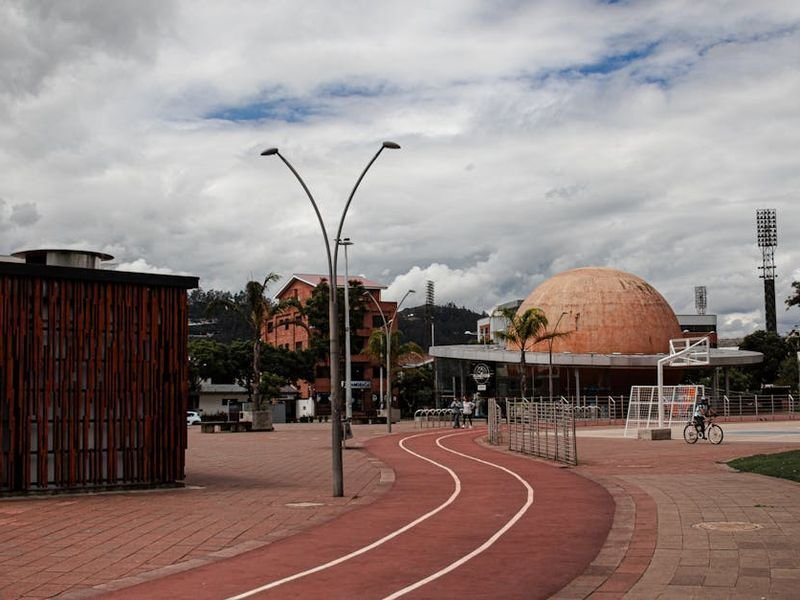
One of Cuenca’s best free resources for cardio is the network of malecones — riverside promenades along the Tomebamba and Yanuncay rivers. These flat, scenic paths wind through the historic center and neighborhoods, making them ideal for morning or evening runs. Popular stretches by the historic center combine photogenic colonial views with well-maintained pavement for jogging, and you’ll often see groups of runners, dog walkers, and families out at the same time.
For hill work and trail running, head toward the hills surrounding the city or take a day trip to the high-altitude trails of Cajas National Park (about 30–50 minutes west of Cuenca). Trail conditions vary seasonally, so pack layers and check local weather forecasts before you go.
Cycling: urban rides and epic day trips
Cuenca is more bike-friendly than many Ecuadorian cities — especially along the malecones and other flat corridors. You can use a city bike for short commutes, but many expats prefer road or mountain bikes for longer rides. Local bike shops rent bikes, sell helmets and offer guided rides to popular destinations such as Cajas National Park and the rural hills outside the city. Expect to pay roughly $15–$50 for a half-day rental depending on bike quality.
Group rides are a great way to meet people and learn local cycling etiquette. Look for morning weekend group rides that tackle the surrounding highlands; these rides often include coffee stops in small towns outside Cuenca.
Team sports and recreational leagues
If you miss team sports, Cuenca has options. Informal pickup soccer (fútbol) games happen on municipal fields and private club fields; many expats organize matches through Facebook groups and Meetup. Tennis courts are available at sports clubs and private complexes and usually rent by the hour. Some neighborhoods also have community centers that schedule basketball and volleyball games for adults.
Joining a team or league is a fast way to make friends and pick up conversational Spanish. Bring a pair of cleats or athletic shoes, a small registration fee and an open attitude — many teams welcome occasional players.
Racket sports, climbing and niche activities
Tennis and paddle tennis (pádel) are popular with residents who grew up playing racquet sports. Private clubs usually require membership but sometimes offer trial classes. For climbing fans, check for indoor climbing gyms and bouldering walls; if you prefer outdoor rock, experienced guides can take you to local crags or to multi-pitch routes outside the city. If you’re into martial arts, Cuenca has schools offering karate, judo, Brazilian jiu-jitsu and taekwondo, often with classes in the evenings and on weekends.
Look up schedules ahead of time and try a trial class before committing. Many studios provide basic equipment rentals (e.g., climbing shoes) so you can try the sport without buying gear immediately.
Yoga, Pilates and mind-body practices
Yoga is widely available in Cuenca, from gentle restorative classes to power vinyasa and hot yoga. Studios often post bilingual class descriptions and welcome drop-ins. Pilates classes are popular among expats who want low-impact strength work and core conditioning. Expect class prices to range between $5–$12 per drop-in, with monthly packages lowering the cost.
Consider attending early-morning classes near the historic center to pair a session with a walk along the malecones. Many studios also host weekend workshops and outdoor classes in parks when the weather cooperates.
How to find the right sports scene: groups, listings and social media
The fastest way to learn what’s happening is to join local expat groups and sports Meetups. Facebook groups like “Expats in Cuenca” and local community pages often list pickup games, running meetups, and cycling group rides. Meetup.com also has local fitness and outdoor groups. For an authentic local experience, ask at your gym or studio about boards with notices for teams and classes — many teams recruit players there.
When arranging to meet groups, confirm meeting times, equipment needed, and whether a fee is required. Many organized rides and hikes have small participation fees to cover guides and transport.
Language tips and local etiquette for sports facilities
Spanish will help, but you don’t need fluency. Useful phrases include: “¿Dónde están las taquillas?” (Where are the lockers?), “¿Cuánto cuesta la mensualidad?” (How much is the monthly fee?), and “¿Tienen clases en inglés?” (Do you have classes in English?). If you’re joining a team or a class, arrive 10–15 minutes early to meet the coach and introduce yourself. Respect shared locker rooms, tidy up after use, and follow any posting rules for court bookings or field reservations.
Health and safety considerations at altitude
Cuenca’s altitude means your body will respond differently until you acclimatize. Expect slightly increased breathlessness and slower recovery during high-intensity sessions for the first few weeks. Stay well-hydrated, eat balanced meals with enough carbs and protein for recovery, and get plenty of sleep. If you plan to push hard (e.g., long cycling climbs or intense trail runs), build intensity gradually and consult a physician if you have heart or respiratory conditions.
Also be aware of traffic patterns if cycling or jogging on streets. Use reflective gear for early morning or evening workouts and consider routes along the malecones for safer, car-free stretches.
Sample weekly activity plan for busy expats
Here’s a practical mix for balancing work and fitness in Cuenca: 2 short morning runs on the malecones, 2 strength sessions at a local gym or CrossFit box, 1 long weekend cycle or hike to Cajas, 1 yoga or restorative class for recovery, and a weekly pick-up soccer game to mix socializing with sport. Keep one day for active recovery or rest.
Final tips and local resources
Before committing, try drop-in classes and short-term gym passes so you can test what’s convenient and fun. Use local marketplaces and expat groups to find used equipment if you don’t want to buy new (bikes, weights, yoga mats). If you like guided outdoor adventures, look for reputable guides with local insurance and good reviews. And remember: joining a sports group is one of the fastest ways to meet other expats and locals — whether you want a casual jog partner or competitive teammates.
Cuenca offers a surprising range of athletic options given its size: from riverside runs and cycling to gyms, pools and mountain adventures nearby. With a little exploring and the tips above, you’ll find the facilities and groups that fit your pace and help you make the most of life in southern Ecuador.