
Table of Contents
Why Cuenca’s Pace Feels Different — and Why That’s a Good Thing
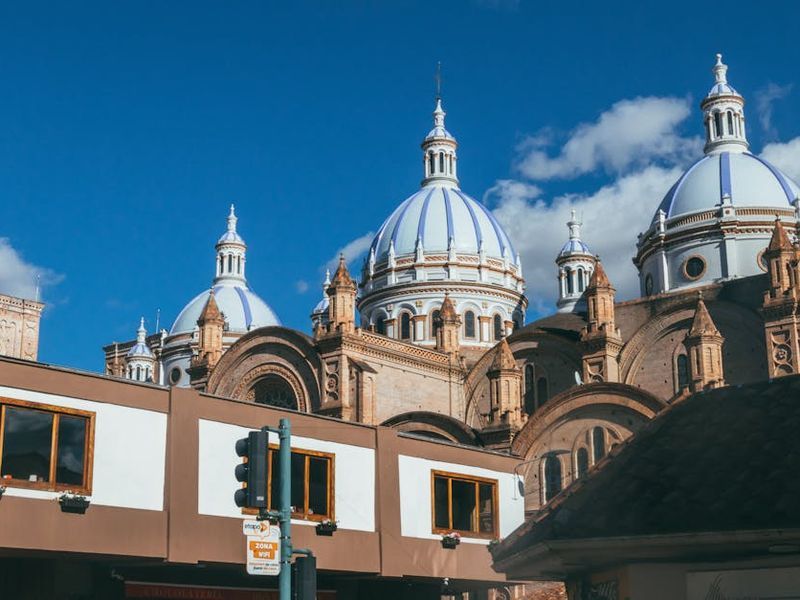
Moving to Cuenca often feels like stepping into a gentler time. The city’s colonial architecture, cobbled streets, and blue-domed cathedral frame a life that rewards presence over speed. For many newcomers, that relaxed tempo is the main attraction, but it can also be frustrating at first if you’re used to a faster, more scheduled lifestyle.
This article breaks down practical ways to adjust and thrive in Cuenca — from where to live and shop, to navigating health and transportation, to simple mindset shifts that make everyday life richer and less stressful.
Get to Know the Neighborhoods: Where to Start Living Slowly
Choosing the right neighborhood makes a huge difference in how you experience the city’s rhythm. Cuenca’s Historic Center (El Centro) is perpetually charming and walkable: you’ll be steps from Parque Calderón, churches, cafés, and artisan shops. If you enjoy being in the cultural heart and don’t mind some tourist traffic, this is an ideal spot.
For a quieter riverside vibe, look at areas along the Tomebamba and Yanuncay rivers — El Barranco offers scenic walks, galleries, and restaurants tucked into cliffs and gardens. Turi, the hilltop neighborhood, gives expansive views of the city and a slower, residential feel. San Sebastián and neighborhoods farther from the center can provide larger apartments, yards, and a more local rhythm.
Tip: Rent short-term first (a month or two) so you can explore different neighborhoods at different times of day before signing a long lease.
Adopt Local Routines: When to Expect Life to Slow Down
Cuenca follows a different cadence than many North American or northern European cities. Mornings are active — markets, bakeries, and street vendors bustle — while midafternoon can be slower as shops close for a break or staff take a long lunch. Evenings, especially near plazas, come alive again as locals gather to socialize.
Key local routines to watch for:
- Midday lull — allow time for long lunches or appointments that may run late.
- Weekend markets and late Sunday mornings — perfect for exploring produce markets and artisan stalls.
- Festive rhythms — religious holidays and municipal events can close many businesses, so plan ahead.
Practical Tips for Everyday Life
Small adjustments to how you organize your day make the transition smoother:
- Shift errands to mornings. Markets and many small shops are liveliest early.
- Carry cash for markets and smaller establishments even if cards are common in restaurants and big stores.
- Ask locals when booking appointments — a dentist or government office may have limited hours or require appointments several days out.
Food, Markets, and Eating Like a Local
Food is an anchor for embracing Cuenca’s pace. The central markets and neighborhood mercados are where life happens: bright stalls of vegetables, fresh cheese, roasted pork, and local fruits. Try hornado (slow-roasted pork), mote pillo (hominy with eggs), and helado de paila — a traditional Cuencan ice cream made in a cold metal pan.
Supermarkets such as Supermaxi and Tía offer convenience, but frequenting smaller tiendas and mercados not only supports local vendors but also forces you to slow down and practice Spanish. Many expats recommend buying produce weekly rather than large monthly trips — it’s fresher and more social.
Getting Around: Embrace Walking, Buses, and Taxis
Cuenca is highly walkable in many districts, and walking is one of the best ways to absorb the city’s relaxed pulse. The cobblestone streets require comfortable shoes, and the elevation (about 2,560 meters / 8,400 ft) means a steady pace may feel more tiring until you acclimatize.
For longer trips, the city’s bus system is affordable and extensive. Taxis are inexpensive and plentiful; establish fares with drivers before a longer journey or use local ride apps where available. If you plan to drive, get ready for a different driving culture — be patient, leave plenty of time, and enjoy the scenery.
Health and Wellbeing at High Altitude
Cuenca sits at a high elevation. Even residents can feel the altitude when they first arrive: shortness of breath during exertion, headaches, and poor sleep are common in the first few days. Practical health tips include:
- Take it easy for the first 48–72 hours: avoid intensive exercise and heavy lifting.
- Hydrate frequently and use sunscreen — high altitude increases sun exposure.
- Layer your clothing; temperatures can swing widely between day and night.
- Locate nearby clinics and pharmacies when you arrive; Cuenca has reputable private clinics and hospitals with affordable care.
Maintain a local health kit with remedies for common ailments and consider expat health insurance if you require regular medications or specialized care.
Making Friends and Finding Community
One of the fastest ways to feel at home in a slower city is to build a local social rhythm. Cuenca has an active international community. Look for gatherings via social media groups, language exchanges, volunteer organizations, and meetups at cafes and cultural centers.
Joining a club — whether it’s a walking group that explores nearby trails, a Spanish conversation circle, or a volunteer project — accelerates cultural integration. Local universities and cultural centers often host events that are open to the public.
Language: Why Learning Spanish Changes Your Experience
Spanish opens doors in Cuenca. Even modest conversational ability transforms daily interactions — bargaining at markets, understanding bus routes, or chatting with neighbors. Enroll in a local language school for structured learning, or hire a private tutor for immersion lessons. Language schools also provide cultural orientation and opportunities to meet other newcomers.
Tip: Learn useful phrases for shopping, banking, and healthcare before you arrive. Locals appreciate the effort and typically respond warmly to attempts at Spanish.
Work, Remote Life, and Productivity
If you’re moving to Cuenca while continuing to work remotely, create a routine that preserves productivity without squeezing out the city’s benefits. A few strategies:
- Block mornings for deep work when cafes and coworking spaces are calm.
- Build breaks into your day for a market walk or midday coffee to recharge.
- Consider local coworking spaces for structure and community — they provide reliable internet and networking opportunities.
- Be explicit with remote colleagues about time zone differences and Cuenca’s pace so expectations about meeting times and response windows are reasonable.
Money, Banking, and Costs
Cuenca offers a lower cost of living than many North American and European cities, but your lifestyle choices determine savings. Dining and transport are affordable; imported goods and some services can be pricier. Common tips:
- Open a local bank account after you settle in, and bring the documents you need (passport, proof of address) — some banks require in-person visits.
- Use ATMs from reputable banks and avoid withdrawing large sums at once; many vendors prefer cash.
- Consult a local accountant if you plan to work locally or run a business to understand tax requirements and residency implications.
Legal Residency and Practical Paperwork
If you plan to stay longer-term, research visa options such as retirement (pensionado), investor, or professional visas. Immigration requirements change, so work with a local immigration attorney or experienced relocation advisor for the most current information. Keep digital and printed copies of important documents, including passport pages, visa documentation, and medical records.
Weekend Getaways and Nature Close By
Part of Cuenca’s slow charm is its proximity to stunning nature and artisan towns. Cajas National Park, a short drive from the city, offers dramatic páramo landscapes and high-altitude lakes—perfect for day hikes. The nearby towns of Chordeleg and Gualaceo are known for jewelry and textile crafts; they make wonderful day trips and are great places to find unique home items.
Tip: Pack layers and waterproof gear for day trips, especially during the wet season. Local buses connect Cuenca to many surrounding towns, and organized tours can simplify logistics.
Safety: Practical Common-Sense Measures
Cuenca is widely regarded as one of Ecuador’s safer cities, but normal urban precautions apply. Use well-lit routes at night, avoid flashing valuables, and keep copies of travel documents in a secure place. When taking taxis at night, use a reputable company or phone-in service, or ask your host or restaurant to call a cab for you.
Embracing a Mindset Shift: From Hurry to Presence
Finally, adjusting to Cuenca’s relaxed lifestyle is as much psychological as logistical. Try these mindset shifts:
- Value small, unhurried moments: afternoon coffee, market conversations, and leisurely walks along the Tomebamba.
- Practice patience with slower service as a cultural norm rather than a personal slight.
- Use the city’s pace to create rituals: weekly market visits, a favorite park bench, or a regular social night.
When you stop trying to fit the city into your previous rhythm and instead let your routine adapt, you’ll find that the relaxed tempo becomes restorative rather than frustrating.
Final Practical Checklist for New Arrivals
- Rent short-term first and explore neighborhoods before committing.
- Set aside time for altitude acclimatization and locate nearby medical resources.
- Open a local bank account and learn basic financial norms.
- Enroll in Spanish lessons and join local meetups to build community.
- Stock up on sunscreen, comfortable shoes, and layered clothing.
- Adopt local routines: shop mornings, expect slower afternoons, and enjoy lively evenings in public squares.
Cuenca’s relaxed lifestyle is a gift if you allow it to reshape your priorities. With a few practical adjustments and a willingness to savor the present, you’ll find the city’s unhurried charm can enrich your life in unexpected ways.