
Table of Contents
Welcome to Cuenca: Why the Slow Pace Feels So Refreshing
Cuenca, Ecuador’s southern highland jewel, has a way of nudging newcomers out of the fast lane. With tree-lined rivers, colonial plazas, artisan markets and an altitude that calms even the busiest minds, the city invites a quieter rhythm. For many expats this gentle tempo is part of the appeal—but transitioning from a hurried life to Cuenca’s measured flow takes intention. This guide offers practical, on-the-ground tips to embrace the tranquility without getting frustrated.
Understand the Local Tempo: What “Slow” Actually Looks Like
“Slow” in Cuenca is not laziness: it’s a cultural rhythm shaped by community, weather and tradition. You’ll notice afternoons are quieter, the center is walkable, and people place more value on conversation than speed. Shops and some businesses may pause around midday, and language exchanges or neighborhood gatherings might begin later than you expect. Accepting that things can take longer—paperwork, deliveries, approvals—goes a long way toward reducing stress.
Practical mindset shifts
- Replace urgency with patience—plan for extra time when running errands.
- Schedule appointments with buffers; early morning is often the most efficient time.
- Use slower days to explore markets, cafés and parks where the local pace is on display.
Arrival Basics: Documents, Phones and Cash
When you first arrive, handle a few administrative tasks so the slow parts don’t catch you off guard. Make digital and physical copies of your passport, visa, and important papers. Pick up a local SIM card (providers like Claro and Movistar have wide coverage) for quick communications and to use ride apps or maps. Carry a moderate amount of cash for markets and taxis—the US dollar is Ecuador’s currency, which simplifies transactions for many expats.
Tip: Use a local “gestor” for residency steps
If you plan to stay long-term, consider hiring a gestor or immigration lawyer to help with visa and residency applications. The process is straightforward compared to many countries but requires paperwork, translations and in-person visits. A local professional can save time and reduce friction, especially if your Spanish is still developing.
Health and Altitude: Simple Steps to Feel Better, Faster
Cuenca sits around 2,500–2,600 meters (8,200–8,530 feet). Most newcomers acclimatize quickly but be aware of mild altitude effects: shortness of breath during exertion, disrupted sleep or fatigue for the first few days. Drink plenty of water, go easy on heavy exercise initially, and limit alcohol in the first week.
Healthcare access
Healthcare in Cuenca is a major reason expats relax here—there is a mix of public hospitals and private clinics offering quality care at a fraction of North American prices. Many expats begin with international travel insurance and later enroll in local plans if they get residency. Pharmacies are plentiful and medications are affordable; for chronic conditions bring documentation and a supply until you establish care locally.
Where to Live: Neighborhoods That Match Your Desired Pace
Cuenca’s neighborhoods each have their own tempo. The historic center, around Parque Calderón and the blue-domed cathedral, is lively and pedestrian-friendly—perfect if you want cultural access and cafés on your doorstep. If you prefer quiet nights and green streets, consider barrios a little farther out: leafy residential areas offer larger apartments, gardens and a slower vibe while still being a short taxi ride from downtown.
Housing tips
- Rent before you buy: try short-term rentals to learn which neighborhood fits your rhythm.
- Expect older buildings in the center; newer constructions with elevators are more common on the city’s edges.
- Negotiate utilities and internet in writing—ask neighbors about reliability before signing long leases.
Food, Markets and the Joy of Local Eating
Eating in Cuenca is a sensory pleasure and a great way to slow down. Local cuisine features hearty soups, roasted meats, fresh produce and an astonishing array of tropical fruits. Markets are central to daily life—bustling, affordable and social. Exploring vendors on foot is one of the easiest ways to feel at home.
Markets and specialties to try
- Visit the main food markets early in the morning for the freshest produce, cheeses and local breads.
- Sample llapingachos (potato pancakes), locro de papa (creamy potato soup), hornado (slow-roasted pork) and seasonal street snacks.
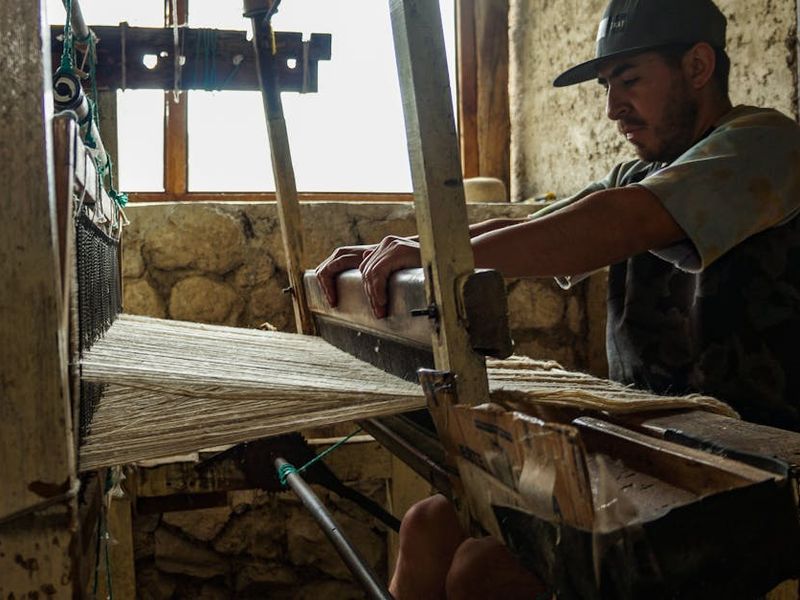
- Don’t miss artisan stalls near the central plaza for handwoven goods, ceramics, and toquilla straw hats—locally made and a great conversation starter.
Making Friends and Building a Comfortable Social Life
Cuenca’s social scene is welcoming and varied. There are language exchanges, cooking classes, hiking groups, volunteer opportunities and regular cultural events—all excellent ways to meet locals and other expats.
Practical approaches to connecting
- Take a Spanish class—language schools double as social hubs and accelerate friendships.
- Join neighborhood clubs or volunteering groups to meet locals and integrate into the community.
- Attend live music nights, art openings and weekend markets; they give you low-pressure ways to mingle.
Transport: Walk, Taxi, or Bus—How to Move Around
Cuenca’s compact center makes walking an excellent option for daily errands. For longer trips, taxis are inexpensive—agree on the fare up front if the driver doesn’t use a meter. The bus network covers most of the city and is a budget-friendly choice. Ride-sharing apps may also be available in central zones, simplifying travel after a night out.
Practical commuting advice
- Carry small bills for short taxi rides and bus fares.
- Walk the riverside promenades—Paseo del Río is scenic and often faster than driving across town in peak hours.
- Renting a car makes sense for frequent day trips into the Andes, but inside the city, parking and traffic can be frustrating.
Exploring Nature: Weekend Escapes to Restore Calm
One reason Cuenca’s pace feels restorative is proximity to dramatic Andean landscapes. A short drive brings you to cloud forests, highland lakes, and archaeological sites. Choose restorative activities that match the relaxed lifestyle: gentle hikes in Cajas National Park, birdwatching, or visiting artisanal mountain towns for a slow afternoon of shopping and coffee.
Day-trip ideas
- Cajas National Park: lakes, quiet trails, and dramatic scenery—dress in layers and bring water.
- Nearby artisan towns: enjoy silverwork, textiles and slower market experiences without city crowds.
- Low-key coffee farms and garden tours: learn about local agriculture and revel in slow meals with mountain views.
Money Matters, Banking and Cost of Living
Because Ecuador uses the US dollar, many newcomers find financial transitions easy. Banks operate regular hours on weekdays and offer ATMs throughout the city. Costs are generally lower than in North America and Europe—groceries, dining out and healthcare are affordable—but imported goods and electronics can be pricier.
Smart financial practices
- Keep a bank account with a national bank if you plan long-term—requirements often include residency documentation.
- Use cash for markets and small vendors, and split bills to avoid awkwardness during social gatherings.
- Set a monthly budget that factors in modest splurges on travel and cultural experiences—Cuenca rewards curiosity.
Safety, Etiquette and Daily Habits to Keep You Comfortable
Cuenca is considered one of Ecuador’s safer cities, but like any urban area, it has petty crime. Use common-sense precautions: secure your belongings in crowded places, avoid flashy jewelry, and keep copies of important documents. Embrace local etiquette—greet shopkeepers, use polite forms of address with elders, and be patient in queues.
Everyday habits to adopt
- Carry a small cross-body bag and keep valuables close in busy markets.
- Learn basic Spanish phrases for greetings and ordering—locals appreciate the effort.
- Respect local schedules: many family-run businesses close for a mid-afternoon break.
How to Keep Momentum While Slowing Down
Being deliberate about how you spend your slower time keeps the experience personally enriching. Replace hurried multitasking with intentional activities: enroll in a ceramics class, start a walking club, or spend weekend mornings at a new café with a book. Slowing down doesn’t mean becoming idle; it means filling time with things that matter.
Ways to stay engaged
- Set learning goals—language fluency, culinary skills, or a craft you can practice in local workshops.
- Volunteer for causes you care about—contributing locally builds roots and meaningful friendships.
- Keep a weekly rhythm of exploration: a market visit, a nature walk, and a social evening with friends.
Final Thoughts: Making Cuenca’s Pace Your Own
Adjusting to Cuenca’s relaxed lifestyle is both a practical and an emotional process. By preparing for the realities—altitude, midday lulls, different business tempos—and by leaning into community, language, and nature, you can turn initial friction into a deeply satisfying daily rhythm. The city invites you to slow down, not as a punishment, but as an opportunity to notice more, stress less, and discover new versions of a well-lived life.
Welcome to a place where afternoons are long enough for a proper chat, mornings are perfect for wandering, and a slower pace becomes a richer life. Take it one thoughtful step at a time—and enjoy the view.
Adam Elliot Altholtz serves as the Administrator & Patient Coordinator of the “Smilehealth Ecuador Dental Clinic“, along with his fellow Expats’ beloved ‘Dr. No Pain‘, right here in Cuenca, Ecuador, and for purposes of discussing all your Dental needs and questions, is available virtually 24/7 on all 365 days of the year, including holidays. Adam proudly responds to ALL Expat patients from at least 7:00am to 9:00pm Ecuador time, again every single day of the year (and once more even on holidays), when you write to him by email at info@smilehealthecuador.com and also by inquiry submitted on the Dental Clinic’s fully detailed website of www.smilehealthecuador.com for you to visit any time, by day or night. Plus, you can reach Adam directly by WhatsApp at +593 98 392 9606 -or by his US phone number of 1‐(941)‐227‐0114, and the Dental Clinic’s Ecuador phone number for local Expats residing in Cuenca is 07‐410‐8745. ALWAYS, you will receive your full Dental Service in English (NEVER in Spanish), per you as an Expat either living in or desiring to visit Cuenca by your Dental Vacation, plus also to enjoy all of Ecuador’s wonders that are just waiting for you to come arouse and delight your senses.