
Table of Contents
Why Cuenca’s Pace Feels Different — and Why That’s a Gift
Cuenca, tucked into Ecuador’s southern highlands at roughly 2,560 meters (about 8,400 feet), has a reputation for gentle days, walkable streets and a historic core that encourages conversation rather than rushing. If you arrive expecting the frenetic tempo of a big city, the first few weeks can feel almost shockingly slow. That’s okay — the relaxed rhythm is one of Cuenca’s biggest charms, and learning to move with it will make daily life far more enjoyable.
Start Small: Practical Habits to Ease the Transition
Adjusting to a calmer lifestyle is mostly a matter of small, intentional changes. Try these easy habits to bring your pace in line with Cuenca’s:
- Create a flexible schedule. Allow buffer time between appointments — afternoons are sometimes slower and unexpected delays happen.
- Swap errands for walks. Walk through the Centro Histórico, along the Tomebamba River, or around Parque Calderón instead of driving when possible. You’ll discover local cafés, shops and neighbors.
- Practice a slow morning ritual. Enjoy a longer breakfast, savor Ecuadorian coffee, and read the local paper or watch street life from a plaza before your day begins.
- Set realistic expectations. Services may run on a different schedule than you’re used to — banks, clinics and government offices can be thorough but slower.
Neighborhoods and Where to Settle: Matching Your Desired Pace
Cuenca’s neighborhoods each offer a different flavor of slow living. Choosing where to live is one of the quickest ways to tune your daily rhythm.
- Centro Histórico: Lively, pedestrian-friendly and full of colonial architecture. It’s ideal if you want to be in the middle of cultural events and cafés. Expect more foot traffic and tourist activity, yet the pace can be pleasantly unhurried.
- Riverside and Plaza Areas: Neighborhoods along the Tomebamba River and around Parque Calderón are calm during weekdays, with easy access to markets and bakeries — great for people who prefer walkable conveniences.
- Suburban Neighborhoods: If you crave quieter blocks, look just outside the historic core where tree-lined streets and larger yards provide more solitude while remaining a short bus or taxi ride from downtown.
How to Choose
Think about noise tolerance, proximity to healthcare and groceries, and whether you prefer walkable streets or a more residential feel. Spend a weekend exploring different areas before signing a lease — Cuenca is small enough for that to be a practical plan.
Daily Life Essentials: What Makes the Pace So Comfortable
Several practical features of life in Cuenca contribute to the relaxed lifestyle, and understanding them helps you adapt faster.
- Climate: The city is known for “eternal spring” weather — mild temperatures year-round. Bring layers and a light waterproof jacket; mornings can be cool and afternoons pleasantly warm.
- Healthcare: Cuenca has a range of medical options from public hospitals to private clinics. Many expats appreciate the affordability and quality of care here, though some specialized services may require travel to larger cities.
- Transportation: The city is very walkable in the center. Public buses and inexpensive taxis make farther trips easy. Expect a more relaxed traffic flow than in metropolitan areas.
- Local markets: Daily fresh markets and small grocery shops are easy to find; shopping is often a social ritual rather than an errand to be completed at speed.
Health and Altitude: Slow Down, Literally
At over 2,500 meters above sea level, you’ll need a short adjustment period. Altitude affects people differently, and moving at a gentler pace for the first several days is both wise and comfortable.
- Hydrate: Drink more water than usual. Avoid excessive alcohol in the first 72 hours.
- Take it easy physically: Skip strenuous hikes for a few days. Gentle walks and light activities are ideal while your body adjusts.
- Sun protection: The high elevation means stronger UV exposure. Use sunscreen and wear a hat during daytime outings.
- Rest: Listen to your body — fatigue is common at altitude. A relaxed schedule will help you acclimatize better and faster.
Language and Communication: Embrace Local Rhythms
Spanish is the dominant language in Cuenca and learning it is one of the most effective ways to fully experience the city’s unhurried culture. Even modest Spanish skills open doors to friendships and local events.
- Take conversational classes: Look for small-group or one-on-one lessons at local language schools. Practicing in cafés and markets accelerates learning and blends study with social life.
- Join language exchanges: Many cafes and cultural centers host weekly meetups where locals and expats swap language practice in a relaxed setting.
- Learn cultural cues: Politeness, patience and a warm greeting go a long way. People here appreciate when newcomers make the effort to speak the language.
Social Life and Building Community at an Unhurried Pace
Making friends in a relaxed city doesn’t happen through hurried exchanges; it happens slowly and meaningfully. Here are ways to cultivate relationships and feel rooted without forcing things:
- Regular spots: Choose a favorite café, market stall or park bench — being a familiar face leads to conversations and invitations.
- Volunteer: Join local nonprofits or cultural organizations. Giving your time is a reliable way to meet locals and make a lasting impact.
- Take classes: Cooking, traditional crafts, dance or art classes draw locals and expats together in relaxed group settings.
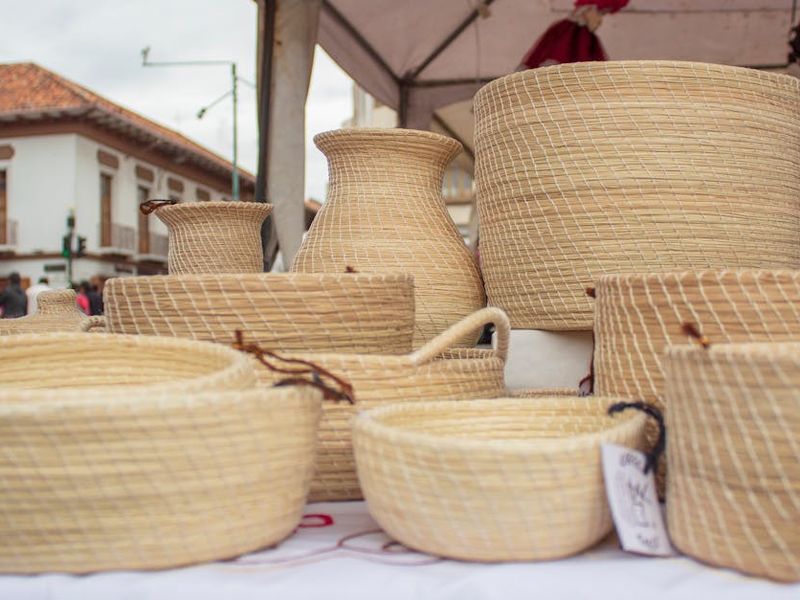
- Attend cultural events: Concerts, artisan markets and religious festivals provide natural opportunities to observe local life and meet people.
Money, Services, and Everyday Logistics
Adapting to the slower pace also means getting comfortable with how services operate. Several practical tips will save you time and frustration:
- Banking: Opening a local account can simplify rent payments and utilities. Bring identification and proof of address; processes can take longer than you expect, so be patient.
- Internet and phone: Internet is widely available, and mobile coverage is reliable in most parts of the city. Cafés often offer Wi‑Fi, but if you rely on remote work, consider testing providers during your apartment hunt.
- Shopping hours: Smaller shops may close for a midday break and have shorter weekend hours. Plan errands with these windows in mind.
- Appointments: Make appointments for doctors, government offices and services when possible — walk-ins are often handled, but queues and wait times can be long.
Safety and Practical Common-Sense Tips
Cuenca is generally safe and welcoming, but like any city, it requires everyday caution. Adapting to a relaxed pace includes anticipating small inconveniences and staying alert in a low-key way.
- Petty theft prevention: Keep valuables out of sight, use a money belt or inside jacket for passports, and avoid flashing expensive electronics in crowded areas.
- Night travel: Use official taxis or rideshare options if available. Stick to well-lit, populated streets when walking at night.
- Emergency info: Have copies of important documents and a list of emergency contacts. Familiarize yourself with the nearest clinic and pharmacy after you move in.
Daily Routines to Make Cuenca Feel Like Home
Here are two sample day plans to help you embrace the city’s slower pace while staying engaged and productive.
Sample Weekday: Balance and Intention
7:30 AM — Leisurely breakfast at a local panadería with a cup of coffee. 9:00 AM — Short walk into town or a language class. 11:00 AM — Errands or work block; use cafés for remote work if you prefer ambient noise. 1:00 PM — Long lunch, possibly trying a new local dish like locro (a hearty potato soup). 3:00 PM — Gentle afternoon visit to a market or museum. 5:00 PM — Slow walk along the Tomebamba River or a light workout. Evenings — Meet friends for dinner or attend a cultural event.
Sample Weekend: Leisure and Discovery
8:00 AM — Farmers’ market visit for fresh produce and flowers. 10:00 AM — Explore a neighborhood you haven’t visited, stop for coffee at a family-run café. 1:00 PM — Lunch and people‑watching in Parque Calderón. 3:00 PM — Afternoon visit to an artisan market or gallery. 6:00 PM — Attend a local concert, theater show or community gathering.
Packing & Lifestyle Checklist for a Smooth Adjustment
Use this short checklist to pack and plan for a comfortable transition to Cuenca’s lifestyle:
- Layerable clothing (light sweaters, waterproof jacket)
- Sunscreen and sunglasses for high-altitude sun
- Comfortable walking shoes
- Basic Spanish phrasebook and language app
- Copies of important documents (passport, visa papers, insurance)
- Reusable water bottle and small daypack
Final Thought: Slow Isn’t Boring — It’s Fuller
Adjusting to Cuenca’s relaxed lifestyle is about replacing a rushed checklist mentality with curiosity, presence and appreciation. The rhythm here invites you to notice small joys — a friendly conversation in a market, the cathedral bells at dusk, the changing light over the Andes. If you arrive expecting to learn something new every day, Cuenca will reward you richly for slowing down.
Be patient with yourself: your pace will shift naturally as you establish routines, build relationships and find the small rituals that make the city feel like home. With a little planning and openness, you’ll not only adjust to Cuenca’s calm — you’ll come to prefer it.
Welcome to a place where life tastes a little clearer and moves a little slower. Take your time — there’s plenty to discover.