
Table of Contents
Introduction: Why Cuenca’s Slower Pace Feels Different
Cuenca, Ecuador’s jewel in the southern highlands, invites newcomers to trade rush for rhythm. With its cobblestone streets, colonial plazas, and riverside promenades, life here moves with a gentler tempo than many big-city expat hubs. That relaxed pace can be restorative — and disorienting if you’re used to always-on schedules. This guide gives concrete, practical steps to help you adjust, make the most of local systems, and build a satisfying day-to-day life in Cuenca.
Understand What “Slow” Really Means in Cuenca
“Slow” here isn’t the same as isolation. It’s a different set of priorities: conversations over coffee, afternoons at markets, and afternoons with a noticeable lull in activity. Services can take their time. Small businesses often keep traditional hours with a midday break, and appointments may start later than scheduled. Accepting these cultural rhythms is the first step to reducing frustration and feeling at home.
Typical daily rhythm
- Morning: Bustling streets, markets open early, people on their way to work or school.
- Midday: A softer pace, with many shops closing for a few hours for lunch and errands.
- Afternoon-evening: Streets wake up again; restaurants fill; social life picks up.
Practical Ways to Adjust Your Schedule
One of the most effective changes is to reorganize your personal clock. If you’re from a fast-paced environment, intentionally shift routines to align with local patterns:
- Start the day early when markets and bakeries are busy and fresh.
- Plan bureaucratic meetings and doctor visits mid-morning; they often move slower in the afternoon.
- Use the quieter midday for focused work, reading, or restorative naps.
- Reserve social activities for late afternoons and evenings when Cuenca truly comes alive.
Neighborhoods and Where to Base Yourself
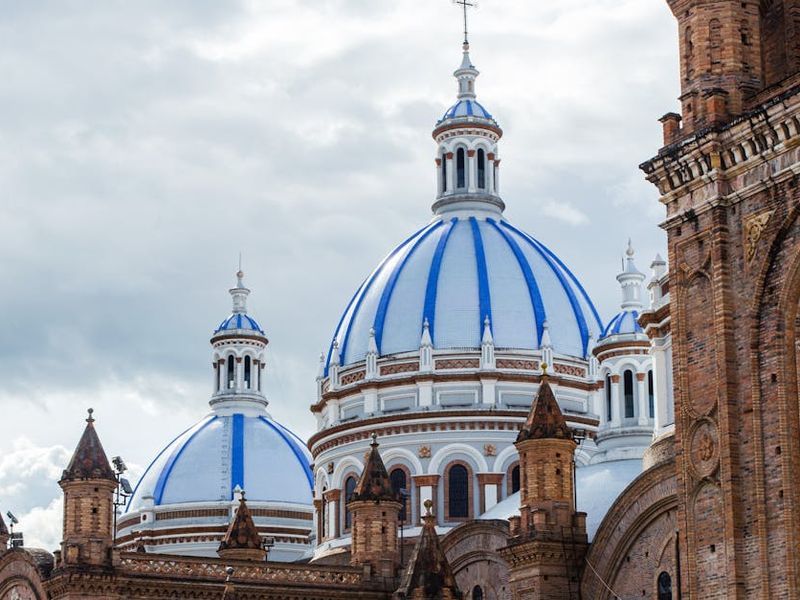
Choosing the right neighborhood can accelerate your comfort. Cuenca’s center—around Parque Calderón and the Cathedral—offers walkability, cafes, and cultural life, ideal for people who want to be in the middle of things. For quieter residential feels, neighborhoods like El Vergel and Yanuncay combine green spaces with more modern housing. If you want a suburban vibe with easy bus or bike access to the center, areas like Sauces or El Batán are popular.
What each area offers
- Historic Center (El Centro): Best for cultural immersion, markets, museums, and walking everything.
- San Sebastián: Bohemian feel, small artisan shops, and quieter streets near the old city.
- Yanuncay and El Vergel: More modern conveniences and green spaces; good for families.
- Sauces/El Batán: Suburban comfort, larger apartments, and easy access to parks.
Daily Living: Markets, Food, and Routines
One of the joys of slowing down is the access to fresh, local food markets. Visit Mercado 9 de Octubre or the Mercado Central for vegetables, local cheeses, and flowers. Bakeries serve freshly baked bread in the morning, and street vendors are common near parks selling roasted corn and empanadas. Learning to cook with local ingredients is both economical and a wonderful way to connect with the culture.
Practical tips for grocery shopping and services
- Bring cash to small stalls—many still prefer it over cards.
- Buy produce seasonally: it’s cheaper and fresher.
- Learn the names of local staples (like llapingachos, mote, or cuy if you’re adventurous) to broaden your menu choices.
- Use neighborhood lavanderías (laundromats) and panaderías (bakeries) to simplify chores and support local businesses.
Transportation: Slower but Simple
Cuenca is eminently walkable, especially in the historic center. Buses are ubiquitous and inexpensive for longer trips, while taxis are affordable for short hops. Expect a relaxed pace: buses may wait until full, and traffic moves at a comfortable clip. Many expats rely on a mix of walking, taxis, and occasional bus rides.
Tips to navigate transport smoothly
- Keep small bills or coins for bus drivers and street purchases.
- Learn basic routes and the names of major plazas (Parque Calderón, Parque de la Madre) to ask drivers easily.
- Consider a bicycle for short commutes—Cuenca’s riverside paths along the Tomebamba are scenic and flat in places.
Language: Learn to Communicate Beyond “Hello”
Spanish is the dominant language. While you’ll find English speakers in tourist areas and some medical facilities, learning Spanish is the most direct route to feeling integrated and reducing everyday friction. Even basic phrases open doors to friendships and help you navigate services without stress.
Practical language-learning approaches
- Join language exchange meetups or local classes; many neighborhoods offer group lessons.
- Practice phrases for shopping, appointments, and polite conversation—“¿Cuánto cuesta?” and “¿A qué hora cierra?” are essential.
- Carry a small phrasebook or phone app; locals appreciate any effort you make in Spanish.
Healthcare and Practical Services
Cuenca is known for high-quality medical care compared with many larger cities in the region. Both public hospitals and private clinics serve residents, and many doctors speak some English in private practices. It’s wise to register with a trusted clinic soon after arrival and learn how to access emergency care, especially given the city’s high altitude.
Steps to secure reliable healthcare
- Ask fellow expats or local neighbors for recommendations to find a doctor you trust.
- Keep a translated medical summary and prescriptions handy for appointments.
- Consider private health insurance if you want faster access to specialists or private hospital rooms.
Social Life: Slow Friendships, Deep Connections
Because life moves at a gentler pace, relationships here often develop more slowly but with more depth. Join community activities, volunteer at local organizations, or sign up for classes—cooking, salsa, or art—to meet neighbors. Expats often form small, tight-knit groups and participate in local festivals and cultural events.
Where to meet people
- Language exchange meetups and conversation circles.
- Local cultural centers and art galleries that host workshops.
- Community volunteer programs and neighborhood associations.
- Cafés around the Parque Calderón and riverfront promenades where people linger for hours.
Dealing with Bureaucracy and Services
Government offices and some private services may move slowly. Paperwork for residency, utilities, or legal matters often requires patience and multiple visits. Prepare for the process by organizing documents, bringing copies, and having local contacts who can translate or explain nuances.
Practical tips to reduce frustration
- Make appointments where possible and arrive early—lines still form, but you’ll be ahead of walk-ins.
- Keep digital and physical copies of essential documents (passport, birth certificate, rental agreement) readily accessible.
- Hire a bilingual gestor or lawyer for complex matters like visas or property transactions.
Embrace Local Pastimes and Outdoor Life
One of the best ways to appreciate Cuenca’s pace is to join in its local rhythms: morning walks along the Río Tomebamba, lazy afternoons in Parque Calderón, and weekend day trips to the nearby Cajas National Park. These activities help you slow down naturally and find pleasure in everyday moments.
Day trip and weekend ideas
- Cajas National Park: excellent for hiking and seeing highland lagoons—bring layers and water.
- Gualaceo and Chordeleg: artisan towns famous for textiles and silverwork—great markets on weekends.
- Local festivals: watch for religious and civic celebrations where the city gathers—these are perfect for connecting with neighbors.
Managing Expectations and Mental Health
Homesickness and frustration with slower service are normal. Acknowledge those feelings and build small routines that anchor you: a neighborhood coffee shop, a weekly market run, or a regular Spanish class. If the adjustment feels heavy, reach out to local expat support groups or mental health professionals—many therapists work with English speakers or offer sessions in Spanish.
Self-care strategies for new arrivals
- Create micro-routines: morning walks, a favorite café stop, or weekly social commitments.
- Keep digital connections with friends back home while cultivating local friendships.
- Celebrate small wins, like successfully navigating a market or making a local friend.
Practical Packing and Living Tips
Pack for a city at 2,500+ meters: layers, a good rain jacket, and quality sunscreen. Many household items are easy to buy locally, but bring specialty items (prescription meds, favorite small electronics) that might be harder to find. Consider investing in a Spanish-language SIM from a local carrier for better coverage and cheaper data plans.
Final Thoughts: Make the Pace Work for You
Adjusting to Cuenca’s relaxed lifestyle is less about copying locals and more about creating a life that benefits from the city’s calm. Reframe your expectations, lean into community and outdoor life, and create routines that honor both productivity and rest. In time, the unhurried rhythm that initially felt foreign will feel like a gift: space to savor daily life, build deep connections, and enjoy a slower, more intentional way of living.
Cuenca rewards patience. With a few practical changes—learning basic Spanish, choosing the right neighborhood, shifting your daily clock, and connecting with local life—you’ll find the tranquility here not just tolerable, but deeply restorative.