
Table of Contents
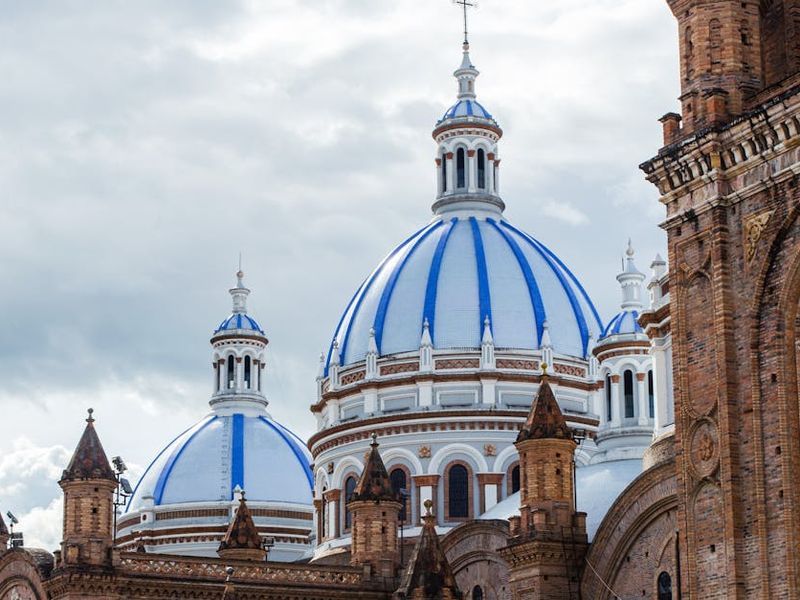
the tone for how quickly you’ll adapt. Cuenca sits at about 2,560 meters (8,400 feet) above sea level, so take it easy: drink plenty of water, avoid heavy physical exertion for the first 48 hours, and limit alcohol. Even if you feel fine, the altitude can sap energy. A slow start gives you the mental and physical space to notice small beauty—sunlight on the blue domes of the New Cathedral, the sound of the Tomebamba river, and early morning vendors setting up at Mercado 10 de Agosto.
Practical neighborhood tips: where to live for peace vs. convenience
Cuenca’s layout supports a variety of lifestyles. If you want to be in the heart of activity, consider an apartment near Parque Calderón and the Historic Center where markets, restaurants, and tram stops are a short walk away. If peace and greenery are priorities, look to neighborhoods along the riverbanks or the quieter residential barrios on the city’s fringes. When apartment-hunting, prioritize:
- Flat walking access (cobblestones can be steep and uneven).
- Reliable hot water and heating options—many homes use electric hot water heaters or gas boilers.
- Proximity to a market or supermarket for fresh produce; daily shopping is common in Cuenca.
Daily routine changes that make life more enjoyable
Adapting to Cuenca means designing a routine that syncs with local life. Here are simple ideas that help you settle in:
- Start mornings with a walk along the Tomebamba—locals do this daily and it’s a great way to connect with the pace of the city.
- Shift groceries to morning or late afternoon; many markets are busiest before noon.
- Schedule appointments around lunchtime closures—midday siesta-style breaks are common for small businesses, especially outside the historic center.
- Reserve evenings for relaxed activities: café reading, a paseo, or a language exchange. Cuencanos often value leisure time after work.
Social life and community: finding friends without rushing
Cuenca has an active expat community but integrating with locals will deepen your experience. Learn a few Spanish phrases before you arrive and keep studying—most people will appreciate the effort. Practical ways to build a social circle include:
- Joining local classes—Spanish, dance, pottery, or cooking classes spotlight Ecuadorian traditions like locro de papa (potato soup) and empanadas.
- Volunteering at an animal shelter, community center, or school; it’s a great way to meet people while giving back.
- Checking bulletin boards in cafés and libraries for groups: walking clubs, book clubs, and language exchanges are common.
- Using social media and local expat forums to find meetups and reliable service recommendations.
Transportation: walking, the tram, taxis and the rhythm of getting around
Cuenca is very walkable in the center—bring good shoes for the cobblestones. The Tranvía (tram) connects key parts of the city and is a comfortable way to travel longer distances without joining heavy traffic. Taxis are affordable; use official radio taxis or ride-hailing apps where available. Tips for getting around:
- Expect slower driving speeds and frequent pedestrian crossings in the historic center—this contributes to the relaxed vibe but adds time to trips.
- If you plan to drive, test routes during off-peak hours first; cobblestones and narrow streets require patience.
- For day trips—Cajas National Park, Chordeleg (jewelry), and Gualaceo (textiles) are popular—book through reputable agencies or local travel desks in the city.
Healthcare and safety: quality care in a calmer environment
Cuenca is a regional medical hub. You’ll find both public hospitals and private clinics that provide high-quality care at lower costs than in North America and Europe. If you have chronic conditions, bring medical records and prescriptions and find an English-speaking doctor early on. Practical health tips:
- Register with a clinic and identify the nearest pharmacy and emergency facility.
- Get vaccinated per your home country guidelines and check any recommended travel vaccines for Ecuador.
- Consider health insurance that covers international care or find a local insurer; many expats use a mix of local and international coverage.
Cuenca is generally safe, but petty theft happens as in any city. Use common sense: secure wallets, avoid poorly lit streets at night, and limit flashy displays of valuables.
Cultural customs and etiquette: small adjustments, big dividends
Adapting to cultural norms fast-tracks friendships. In Cuenca:
- Greet people politely. Handshakes and a friendly ‘buenos días’ go a long way.
- Use ‘usted’ with older people and in formal contexts until invited to use the informal ‘tú.’
- Accept that service is often slower—meals are social events not rushed tasks. Patience is a virtue here.
- Participate in local festivities: small neighborhood fiestas, church events, and artisan fairs welcome visitors.
Shopping, eating, and saving money the Cuenca way
Fresh markets are central to life in Cuenca. Markets like Mercado 10 de Agosto (and numerous neighborhood mercados) sell fruits, vegetables, and daily staples at low prices. Eating out is affordable: try a menú del día—set lunch menus served at many local restaurants—for a filling, economical meal. Practical tips:
- Buy seasonal produce—it’s fresher and cheaper.
- Learn basic market bargaining; be respectful and smile, and you’ll often get small discounts.
- Sample local bakeries for breads and sweets; breakfast culture here often centers on coffee and fresh pastries.
Dealing with the weather and altitude year-round
Cuenca’s highland climate is temperate and can change quickly. Expect sunny mornings, possible rain in the afternoon during the wet season (roughly October through May), and cool evenings year-round. Layered clothing is essential. Practical wardrobe tips:
- Light, breathable layers for daytime; a warm sweater or light jacket for evenings.
- Sunscreen and a broad-brimmed hat—the sun at altitude is strong even on cool days.
- Waterproof footwear for rainy spells and durable shoes for cobblestones.
Paperwork and long-term planning: residency, banking, and taxes
Many expats move to Cuenca with long-term plans. Familiarize yourself with immigration options before making major commitments—common paths include pensioner visas, investor visas, and professional/resident categories. Financial tips:
- Open a local bank account once you have residency documents; having a local account makes paying utilities and local services easier.
- Speak with a bilingual attorney or relocation specialist about taxes and dual-residency implications.
- Keep certified copies of important documents (birth certificate, marriage certificate, medical records) and have them translated if necessary.
Finding purpose: work, hobbies, and routines that anchor you
The relaxed pace of Cuenca invites reinvention. Many expats volunteer, teach English, freelance online, or start small businesses offering tours, crafts, or wellness classes. Useful strategies to stay engaged:
- Set weekly goals—small achievements keep motivation alive in a slower setting.
- Turn errands into social activities: invite a neighbor to market day or coffee after a museum visit.
- Explore nature: Cajas National Park offers accessible alpine hiking, and weekend trips to artisanal villages refresh the spirit.
Handling the emotional side: loneliness, homesickness, and embracing stillness
Slower cities can magnify feelings of isolation at first. Recognize this as a normal phase. Practical coping strategies:
- Create a weekly social anchor—class, church, or a recurring meet-up.
- Keep familiar rituals from home: a Sunday breakfast, a weekly movie night, or video calls with loved ones.
- Practice mindfulness and acceptance: the calm in Cuenca can be restorative once you stop treating it like something to fix.
Putting it all together: a 30-day adjustment checklist
To help you adapt without overwhelm, consider a structured first month:
- Week 1: Rest, register locally if needed, find grocery options, locate a pharmacy and your nearest clinic.
- Week 2: Join a class or group, try the tram, and explore the Historic Center on foot.
- Week 3: Open a local bank account (if staying), arrange long-term housing, and meet expat neighbors.
- Week 4: Plan a day trip to Cajas or a nearby artisan town, and establish a weekly routine that balances exploration with downtime.
Final thoughts: patience is your best local tool
Adapting to Cuenca’s relaxed lifestyle isn’t about forcing yourself to slow down; it’s about letting the city show you different values—community, unhurried meals, and time for small pleasures. With practical preparation (health, housing, paperwork) and a willingness to try local rhythms—morning markets, afternoon quiet, and friendly neighborhood fiestas—you’ll find that the calm becomes a source of strength rather than a hurdle. Give yourself permission to move slowly here; the city rewards those who take the time to notice its details.
Embrace the tranquility, and you may discover that it enhances much more than your schedule—it can reshape what you expect from everyday life.