
Table of Contents
Introduction: Dental Care That Doubles as a Vacation
For retirees looking to stretch retirement dollars without sacrificing quality, Cuenca, Ecuador checks every box. The city has quietly become one of the world’s best destinations for dental tourism—especially for implants, crowns, and veneers. Imagine world-class treatment at 60–70% lower cost than the United States or Canada, performed by highly trained clinicians, in clinics equipped with modern CAD/CAM and digital X-ray technology, all while you recover in a peaceful, historic city with perfect weather. That reality is why so many retirees travel to or even relocate to Cuenca for dental care.
Why Cost Savings Matter: Stretching Retirement Dollars
Costs are the most immediate reason retirees choose Cuenca. Dental implants, porcelain crowns, and veneers in the U.S. or Canada often carry price tags that can strain fixed incomes. In Cuenca, equivalent work commonly costs 60–70% less. For example, where an implant with crown might run $3,500–$6,000 in the U.S., comparable packages in Cuenca are often a fraction of that price. Crowns and veneers follow the same pattern: treatments that could cost thousands at home are routinely available for a few hundred to a thousand dollars here—freeing funds for travel, hobbies, or everyday living.
World-Class Dentists Trained at Top Universities
Don’t let lower prices fool you—Cuenca’s dentists are professionally trained, many with degrees from Ecuador’s top universities or international training programs. Many dentists who serve international patients have completed continuing education in the U.S., Europe, or Latin America, and several clinics employ specialists in implantology, prosthodontics, periodontics, and endodontics. Expect detailed treatment plans, modern sterilization protocols, and clear explanations before any procedure.
Modern Clinics and Cutting-Edge Technology
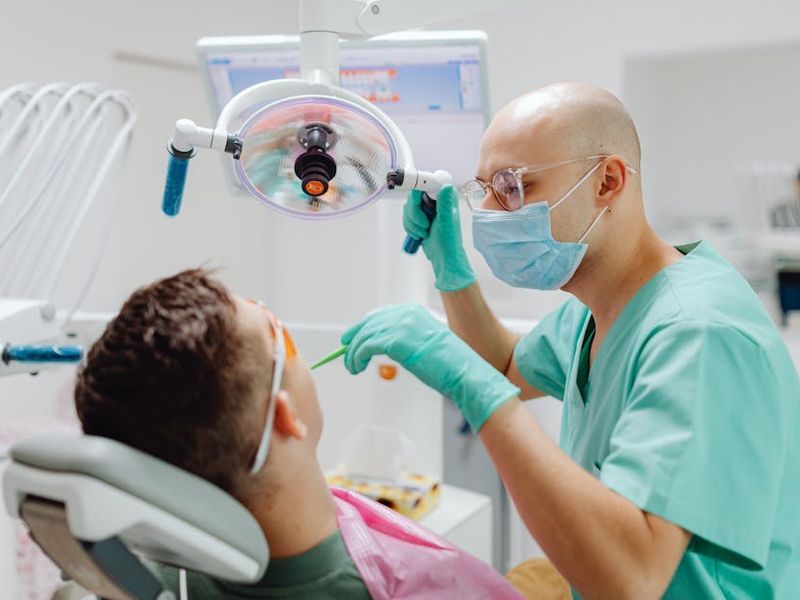
Cuenca’s dental clinics have invested in high-end equipment. Digital panoramic X-rays, 3D CBCT scanners, CAD/CAM milling machines, and in-house dental laboratories are increasingly common. This technology enables more accurate implant placement and the option of same-day crowns or fast-turnaround veneers in many clinics, so you can minimize multiple lengthy trips. The result is care that rivals clinics in North America and Europe—at a fraction of the cost.
Short Wait Times and Personalized Care
One of the biggest advantages retirees report is the speed of service. Unlike long waiting lists you might face at home, many Cuenca clinics can schedule comprehensive initial consultations within days. Follow-ups, adjustments, and lab work are similarly fast thanks to local dental labs and flexible scheduling. Add to that a culture of personalized, one-on-one patient care—doctors often spend ample time reviewing options, and staff are used to accommodating international patients—and you get a smooth, efficient experience that feels attentive rather than assembly-line.
The Ideal Recovery Environment: Cuenca’s Climate and Lifestyle
Cuenca sits at about 2,560 meters (around 8,400 feet) above sea level, with a spring-like climate year-round. Mild days, cool nights, and plenty of sunshine create a comfortable environment for dental recovery—less heat, fewer mosquitoes, and calmer air than many coastal locales. The city itself is walkable and compact, with tree-lined plazas (like Parque Calderón), soothing rivers (Tomebamba and Yanuncay), and quiet cafes perfect for soft-food meals and relaxation after treatment.
Combine Dental Care with a Memorable Vacation
Cuenca is an irresistible backdrop for a dental vacation. Patients can schedule procedures in stages and enjoy cultural attractions between visits: explore the ornate Catedral Nueva and its towers, browse artisan markets for Panama hats and jewelry, visit Museo Pumapungo, or take day trips to Cajas National Park for short hikes among glacial lakes. Retirees often plan a first stay for consultations and initial work, return home for healing, then come back for final restorations—turning necessary dental care into a restorative trip filled with sightseeing and relaxation.
Practical Timelines: Implants, Crowns, and Veneers
Understanding how many visits are required will help you plan the perfect dental vacation:
- Dental implants: Typical timelines are two to three visits. Visit 1: consult, imaging, and implant placement. Osseointegration usually takes 2–4 months (some clinics offer immediate-load implants that place a temporary crown same day). Visit 2: abutment and final crown placement. Retirees can either stay in Cuenca between stages or split into two trips.
- Crowns: With CAD/CAM technology, many crowns can be completed in 1–2 visits. Some clinics offer same-day crowns; otherwise expect a short 1–2 week turnaround if sent to a lab.
- Veneers: Veneers usually require two visits: preparation and impressions, then placement. Digital workflows can shorten lab times, letting you finish within a week in many cases.
Practical Tips for Planning Your Dental Trip
To maximize savings and comfort, follow these practical steps:
- Start with remote consultations: Many clinics offer video consultations and can review X-rays you send electronically. This saves time and helps you compare cost estimates.
- Bring dental records: Old X-rays, treatment histories, and med lists help the dentist create precise plans and avoid redundant imaging.
- Plan for recovery: For crowns or veneers, plan a week in Cuenca. For implant placement expect at least a few days after surgery and a follow-up trip 2–4 months later unless your clinic uses immediate-load protocols.
- Book accommodations near the Historic Center: Staying in the Centro Histórico or the Yanuncay riverfront makes short trips to clinics and pharmacies easy and enjoyable.
- Arrange travel insurance and check dental warranties: Ask your clinic about warranties on prosthetics and whether they guarantee adjustments once you return home.
Money, Payments, and the Dollar Advantage
Ecuador uses the U.S. dollar, which simplifies budgeting and eliminates currency conversion surprises for North American visitors. Most clinics accept credit cards and bank transfers; some offer package pricing for multiple procedures and can coordinate lab work to minimize costs. With overall lower living costs in Cuenca, many retirees find it economical to extend their stay for part of the healing process, staying in comfortable short-term rentals or boutique hotels.
Language, Communication, and Telehealth Follow-Up
While Spanish is the primary language, many dental teams serving international patients are English-speaking or have translators available. Clinics are increasingly offering telehealth follow-ups, so after you return home you can check in by video for adjustments, guidance on hygiene, and wound checks. This continuity of care gives retirees confidence that they won’t be left without support once they leave Ecuador.
Safety, Accessibility, and the Expat Community
Cuenca is widely regarded as safe and expat-friendly. It’s one reason many retirees not only visit for dental care but decide to relocate. Public transportation, reliable taxis, and Mariscal Lamar International Airport (CUE) make the city accessible, and local hospitals and clinics are available for any medical concerns. Active expat communities and forums are also great resources for clinic recommendations, recovery-friendly accommodations, and first-hand patient experiences.
Real Value: Quality, Price, and Peace of Mind
Value isn’t just price—it’s quality, predictability, and overall experience. In Cuenca you get well-trained clinicians, modern labs, fast service, and the chance to recover in one of South America’s most beautiful colonial cities. For retirees on a fixed income, these combined benefits translate into immediate financial relief and lasting dental results that don’t require sacrificing comfort or standards.
How to Choose the Right Clinic in Cuenca
When evaluating clinics, look for the following:
- Clear before-and-after photos and treatment case histories.
- CE credits or international training listed for dentists.
- Digital imaging (CBCT) and CAD/CAM capabilities if you want same-day or highly precise restorations.
- Transparent pricing, including lab fees, anesthesia, and follow-ups.
- Good patient reviews from international visitors and evidence of aftercare and warranty policies.
Sample Itineraries for a Dental Vacation
Here are two practical itineraries based on common procedures:
- Short trip (crowns/veneers): Day 1: arrival and consultation; Day 2: preparation and temporary work; Day 4–7: placement of final crowns/veneers and follow-up. Total: 5–8 days.
- Implant-focused visit: Trip A: Day 1–2: consult and implant placement; Days 3–7: rest and light sightseeing; Trip B (2–4 months later): final abutment and crown placement over 3–5 days. Many patients combine the two trips with other travel plans.
Aftercare, Diet, and Local Support
Post-op care is straightforward: soft foods, saline rinses, and a short rest period usually suffice. Cuenca’s cafes and markets offer excellent soups, purees, and soft local dishes that are great for recovery. Pharmacies are plentiful and carry pain relief and antibiotics dentists commonly prescribe. Many clinics provide written aftercare instructions and emergency contact numbers.
Final Thoughts: Why Cuenca Stands Out
Retirees choose Cuenca for dental tourism because it delivers what matters most: exceptional value, high-quality care, and an environment that supports healing and leisure. With dramatic cost savings, clinically advanced treatments, fast scheduling, and a welcoming city that’s easy to explore, Cuenca has become the smart choice for those who want the best dental outcomes without eroding their retirement nest egg. Whether you’re planning a one-off dental vacation or considering a longer stay while you complete a treatment plan, Cuenca offers a compelling combination of clinical excellence and life-enriching experiences.
Next Steps
Start with a remote consultation, compare treatment plans, and build an itinerary that blends appointments with recovery and sightseeing. With good planning, you can transform a necessary dental procedure into a restorative getaway—one that improves your smile and your retirement lifestyle.