
Table of Contents
Why Cuenca Belongs on Every Foodie’s Map
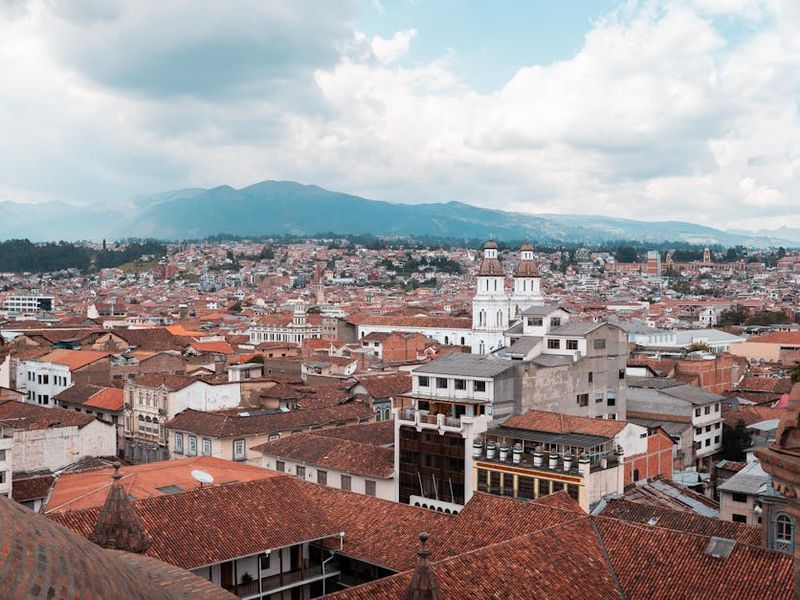
Cuenca’s cobblestone streets and red-tiled roofs draw visitors for their beauty — but the city’s food scene is why many stay. Nestled in Ecuador’s southern highlands, Cuenca blends Andean, Spanish and coastal influences into a culinary identity all its own. From steaming bowls of locro to elegant fusion tasting menus, Cuenca offers an approachable and varied gastronomy that’s easy to explore on foot.
What Makes Cuenca’s Cuisine Unique
The city’s elevation (about 2,500 meters / 8,200 feet) shapes what grows nearby: hearty potatoes, mellifluous Andean cheeses, and a bounty of fresh herbs. Historical trade routes brought coastal fish and citrus inland, while Spanish colonial kitchens left an imprint of breads, stews and roasting techniques. The result is menus that shift seamlessly between the rustic and the refined.
Must-try local dishes
- Locro de papas — a creamy potato and cheese soup, often served with avocado.
- Hornado — slow-roasted pork with hominy and pickled onions, popular in markets.
- Cuy asado — roasted guinea pig, a traditional celebration dish (try it at specialty eateries).
- Llapingachos — potato patties usually paired with sausage, avocado and a fried egg.
- Pan de yuca & bizcochos — cheesy baked goods that make excellent breakfast companions.
- Ceviche — coastal influence: citrus-marinated seafood appears on many menus, often adapted to local tastes.
Where to Eat: Neighborhoods and Scenes
Cuenca is compact and walkable; each neighborhood has a different food personality. Below are the places to prioritize depending on mood and appetite.
El Centro (around Parque Calderón)
The historic heart is your first stop: from elegant eateries with white-tablecloth service to hole-in-the-wall spots that serve cheap, hearty almuerzos (set lunches). After sightseeing, follow locals into lunchtime restaurants that offer daily menus — a soup, a main and a drink for a budget-friendly price.
Riverside dining along the Tomebamba
The Tomebamba River cuts through town and its walkways are lined with cafés and restaurants that make the most of the scenery. These spots are excellent for brunch, coffee and romantic dinners with views. Expect mid-range pricing and an emphasis on ambiance.
Barrio San Sebastián & Artisan Quarter
Artisans, boutiques and creative cafés cluster here. You’ll find inventive small-plate menus, fusion bakeries and vegetarian-friendly restaurants. This neighborhood is ideal for relaxed afternoons sampling sweets and craft coffee.
Markets and Street Food: Real Flavor for Less
To taste authentic daily life in Cuenca, head to the municipal markets. These are where you’ll find the freshest produce, eager home cooks, and morning rituals that haven’t changed much for decades.
Why markets are essential
Markets are the fastest way to try many regional specialties at low cost. You can watch hornado being carved at a stall, sample freshly made empanadas or sip a bowl of warming locro. Sellers are typically friendly to visitors — learning a few Spanish phrases helps, but pointing and smiling works too.
What to look for
- Early morning: the best time for bread (bizcochos) and hot empanadas.
- Midday: hornado and set-lunch stands are busiest and offer the freshest dishes.
- Cheese stalls: taste different regional cheeses — many are locally made and creamy.
Fine Dining and Fusion: Cuenca’s Elevated Tables
Over the last decade, a small but vibrant fine-dining scene has emerged. Chefs creatively combine Andean ingredients with international techniques, producing memorable tasting menus and multicourse experiences.
What to expect at higher-end restaurants
- Seasonal tasting menus featuring local produce and highland proteins.
- Curated wine lists with Ecuadorian and South American options.
- Booking recommended for dinner, especially on weekends or holidays.
Cafés, Bakeries and the Coffee Culture
Ecuador produces fantastic coffee, and Cuenca’s cafés do it justice. Look for places that roast in-house or partner with micro-lot farmers. Coffee shops are also excellent spots for people-watching and lighter meals like sandwiches, salads and pastries.
Morning staples
Start your day with pan de yuca or a sweet and salty bizcocho paired with a cuppa. Many bakeries are family-run and open early, making them perfect for sunrise strolls before markets get busy.
Vegetarian, Vegan and Special Diet Options
While traditional cuisine leans on meat and dairy, Cuenca has embraced plant-based dining in recent years. You’ll find veggie-friendly cafés, international restaurants with vegan adaptations, and markets brimming with fresh produce for DIY meals.
Tips for vegetarians and vegans
- Ask for “sin carne” or “sin lácteos” when ordering — most kitchens will adapt dishes.
- Look for quinoa, beans and vegetable stews that showcase local flavors.
- Markets are great for building a cheap, nutritious picnic of fruit, cheese alternatives, and baked goods.
Budget Breakdown: What You’ll Pay
Dining costs in Cuenca are generally affordable, but prices vary by setting.
- Street food & markets: $1–$5 for snacks and meals like empanadas or a hearty plate of hornado.
- Local mid-range restaurants: $5–$12 for full set lunches or main courses.
- Upscale/fine dining: $25–$60+ for tasting menus and multi-course dinners.
Tipping and payment tips
Many restaurants include a 10% service charge on the bill; if not, a small tip (5–10%) is appreciated. Cash is widely accepted and often preferred in markets and small cafés — carry some US dollars or Ecuadorian sucres? Note: Ecuador uses the U.S. dollar as legal tender. Credit cards are accepted at most mid-to-high-range restaurants, but it’s wise to ask first.
Safety and Food Health Tips
Food safety is straightforward if you follow a few common-sense rules. Cuenca has good water quality in many hotels and restaurants, but if you’re unsure, opt for bottled or boiled water. Eat hot foods at busy stalls (turnover means freshness), and be cautious with raw seafood if you’re sensitive to unfamiliar cuisine.
Practical safety tips
- Choose busy places — crowds usually indicate fresh food.
- Carry hand sanitizer for market visits and street-food sampling.
- Ask locals or your host for trusted recommendations — they’ll know the safest stalls.
How to Find the Best Spots — A Local’s Strategy
Tourist guides point to well-known venues, but the most memorable meals often come from blending popular choices with neighborhood favorites. Here’s a simple method to discover winners every time:
Steps to uncover great food
- Start at the market for breakfast and a feel for regional produce.
- Walk along the Tomebamba and pick a riverside café with a view for mid-morning coffee.
- For lunch, try an almuerzo in El Centro — ask for the house special.
- Explore side streets and artisan neighborhoods in the evening for fusion and creative menus.
- Make reservations at higher-end restaurants, especially for weekend dinners.
A One-Week Eating Itinerary for the Serious Foodie
This sample plan balances markets, cheap eats and refined dinners so you taste Cuenca’s range without rushing.
Day 1: Local introduction
Breakfast at a bakery (bizcochos and coffee), lunch near Parque Calderón (almuerzo), evening walk along the Tomebamba with tapas-style snacks.
Day 2: Market immersion
Spend the morning at the main market tasting hornado, locro, and fresh cheese. Afternoon coffee and pastries in an artisan café. Dinner at a mid-range restaurant serving regional specialties.
Day 3: Riverside relaxation
Brunch at a riverside café, light sightseeing, and an evening at a rooftop bistro for fusion fare.
Day 4: Cooking class or food tour
Join a hands-on class or guided food tour to learn recipes and pick up market-shopping tips. These experiences often end with a communal meal.
Day 5: Fine dining night
Reserve a table at one of Cuenca’s tasting-menu restaurants to experience modern interpretations of Andean cuisine.
Day 6: Street-food sampling
Focus on snacks—empanadas, pan de yuca, and local sweets—then a casual dinner with live music at a neighborhood spot.
Day 7: Regional day trip
Take a short excursion to a nearby town or hacienda for regional dishes like cuy, and stop by a local cheese or chocolate producer on the way back.
Final Tips for Savoring Cuenca
Slow down and let food guide your itinerary. The best meals here are more about atmosphere and local rhythms than Michelin stars. Practice a few Spanish phrases — “¿Qué recomienda?” (What do you recommend?) and “sin picante, por favor” (no spice, please) go far. And when in doubt, follow the locals: a busy table is usually a good sign.
Cuenca’s dining scene rewards curiosity. Whether you favor rustic market plates or refined fusion, the city’s kitchens are open to discovery. Bring comfortable walking shoes, an appetite, and a sense of adventure — Cuenca will provide the rest.