
Table of Contents
Welcome to Cuenca’s Table
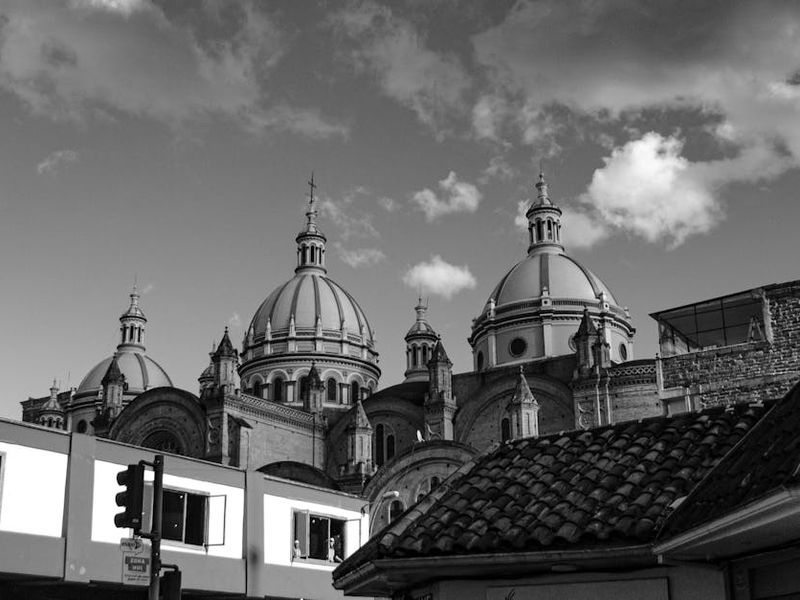
Cuenca may be best known for its blue-domed cathedral and cobblestone streets, but for many visitors the city’s greatest charm is its food. In this guide you’ll find a fresh, practical roadmap to eating well in Cuenca — including classic dishes to try, neighborhoods that shine, price expectations, dietary options, and how to turn ordinary meals into memorable local experiences.
Start Where the City Eats: Neighborhoods and Markets
Knowing which barrio to explore is the quickest way to match your mood with the right food. The Historic Center (Centro Histórico) around Parque Calderón is the heart of tourist-friendly restaurants — charming, walkable, and perfect for rooftop views. Calle Larga and the blocks along the Tomebamba River host many cafes and casual restaurants where locals gather for coffee and pastries.
For authentic, affordable meals head to the central market area and nearby vendor-lined streets. These markets are where you’ll find traditional fondas (small home-style eateries) serving hearty soups and stews at lunch prices. If you’re after fresh produce, artisanal cheeses, and local flowers, a morning visit to a neighborhood produce market will also introduce you to ingredients used by local cooks.
Essential Dishes to Try in Cuenca
Cuenca’s cuisine is a blend of Andean staples, coastal seafood influences, and Spanish heritage. Here are the local favorites to seek out:
- Locro de papa — A creamy potato and cheese soup spiced with avocado and served piping hot; a comfort-food staple.
- Fritada — Crispy pork served with corn, mote (hominy), and plantains. Often found at market kitchens.
- Llapingachos — Pan-fried mashed potato patties usually stuffed with cheese; they make a great side or a vegetarian-friendly main.
- Hornado — Slow-roasted pork, typically enjoyed at weekend market feasts.
- Ceviche — Ecuadorian ceviche uses lime-marinated seafood with a punch of cilantro; inland versions may use mixed seafood or even prawns brought from the coast.
- Encebollado — A hearty fish and cassava soup popular for breakfast or as a hangover cure.
- Cuy — Guinea pig, a traditional festive dish. If you want to taste it, ask respectfully and choose a restaurant experienced in preparing it.
- Helado de paila — Artisanal sorbet made in a cold metal pan — a refreshing, fruity street-side dessert.
Where to Eat: From Street Bites to Chef-Driven Restaurants
Cuenca’s culinary scene covers a wide spectrum. Here’s how to choose based on experience and budget.
Street Food and Markets (Budget: $1–$6)
For the truest local flavors, start at market stalls and street vendors. You can eat well for just a few dollars: a bowl of locro or encebollado, a plate of fritada, or a stuffed empanada. Markets are busiest for lunch (roughly 11:30–2:00), so arrive early to avoid long lines and to see chefs preparing the day’s favorites. Keep small bills and coins handy — some stalls accept only cash.
Neighborhood Eateries and Cafés (Mid-range: $6–$20)
Cafés near Calle Larga and riverside walkways are ideal for relaxed lunches, specialty coffees, and homemade desserts. Many serve international dishes alongside Ecuadorian fare, so vegetarians and travelers with specific tastes will find options. Mid-range restaurants often focus on fresh local produce and a cozy ambiance—perfect for casual dinners or brunch.
Fine Dining and Fusion (Higher-end: $25+)
Over the last decade Cuenca has seen a rise in chef-driven restaurants that reinterpret Ecuadorian classics with contemporary techniques. These spots often source local ingredients like Andean herbs, trout from nearby rivers, and regional cheeses. Expect refined plating, tasting menus, and reservations on weekends. Dress smart-casual and plan to spend a bit more for a curated meal experience.
Café Culture and Morning Rituals
Coffee in Cuenca is a ritual and an attraction of its own. Ecuador grows excellent arabica beans in nearby provinces (like Loja), and small roasters highlight single-origin flavors. Morning routines often start with a cortado or a pour-over paired with pan de yuca (cheesy cassava bun) or a buttery pastry.
If you want to watch the city wake up, find a riverside café with a view of the Tomebamba River and the city bridges. These spots are great for slow mornings, catching up on emails, or planning your day’s food stops.
Vegetarian, Vegan, and Special Diets
Cuenca’s food scene is increasingly friendly to vegetarians, vegans, and those with gluten or dairy sensitivities. Many mid-range restaurants list vegetarian options, and there are dedicated vegetarian cafes serving creative bowls, vegan pastries, and plant-based versions of local dishes. When in doubt, use simple phrases in Spanish: “Soy vegetariano/a” (I’m vegetarian) or “sin gluten, por favor” (gluten-free, please).
Markets are also a goldmine for fresh produce, nuts, and artisanal cheeses for DIY meals if you’re staying somewhere with a kitchen. Most restaurants are accommodating if you explain dietary needs politely; staff are used to tourists from many countries.
Sweet Spots: Desserts and Nighttime Treats
Cuenca does desserts well. Beyond helado de paila, try local cakes like tres leches or flan, as well as inventive patisserie in upscale bakeries. Late-night hotspots around the center often serve dessert flights or coffee-and-cake pairings perfect after an evening concert or gallery opening.
For a truly local experience, buy candies and small sweets at the market to nibble while walking through the historic streets at dusk — the lights on the cathedral create a magical backdrop.
Practical Tips for Dining in Cuenca
- Currency and prices: Ecuador uses the U.S. dollar. Expect market meals for $1–6, casual restaurants $6–20, and upscale dinners from $25 up. Prices can vary by neighborhood and view.
- Hours: Lunch is typically 12:00–15:00 and dinner 19:00–22:00. Some cafes open early for breakfast; markets bustle in the morning.
- Reservations: For popular rooftop spots and chef-driven restaurants, book ahead on weekends. Mid-week you can often walk in.
- Tipping: A small service charge may appear on the bill; otherwise a 10% tip is appreciated though not mandatory.
- Cash vs. card: Credit cards are widely accepted in restaurants, but smaller stalls and some mid-range cafes prefer cash.
- Water safety: Cuenca’s municipal water is generally treated and many locals drink tap water, but if you have a sensitive stomach, opt for bottled water when eating street food or in markets.
- Parking and walking: The Historic Center is best explored on foot. If driving, plan for limited street parking and small lots on the edges of the center.
Three Food Walks to Try
Here are sample routes to experience Cuenca by taste:
Morning Market to Noon Fondas
Start with fresh juice and coffee at a riverside café, then head to the central market for a plate of llapingachos or locro. Finish with a sweet helado de paila from a vendor nearby. This walk shows you local ingredients and how they’re prepared.
Historic Center Tapas Crawl
Begin with light appetizers at a rooftop overlooking the cathedral, move to a mid-range restaurant for a seafood ceviche tasting, and end at a cozy bar for coffee or dessert. It’s a great way to see different culinary interpretations of Ecuadorian classics.
Late Afternoon Farmer’s Market and Home Cooking Class
Visit a neighborhood farmers’ market, pick up fresh produce and herbs, then join a cooking class where you’ll learn to make a local dish — perfect for taking flavors home with you.
Finding New Favorites: Tools and Local Advice
To discover the latest hotspots, use a mix of digital and human sources. Google Maps reviews give quick orientation, but local expat Facebook groups and Instagram hashtags reveal trending chefs and pop-ups. Ask your host or hotel for the staff’s personal recommendations — often the best hidden gems are small family-run places that don’t have a big online footprint.
Food tours are an efficient way to cover markets, street food, and traditional eateries while getting context from a local guide. If you prefer independent exploration, ask vendors about where their ingredients come from — many are happy to point you to the farm, roaster, or bakery that supplies them.
How to Approach Adventurous Eating
Part of the joy of Cuenca is trying something new — whether it’s cuy, a market-only stew, or an unfamiliar fruit. Be respectful and curious: ask how a dish is prepared, whether any bones or unusual cuts are included, and if it’s traditional or a modern take. If you’re traveling with children or have dietary restrictions, communicate clearly before ordering.
Final Serving: Savoring Cuenca Beyond the Plate
Eating in Cuenca is as much about people and place as it is about flavor. Meals here are unhurried, social affairs often shared with family or friends. Take time to enjoy the architecture, the river views, and the friendly conversations with servers and market vendors. With a mix of streetwise exploration and a few special reservations, you’ll leave Cuenca with a list of favorite flavors and new culinary friends.
Buen provecho — and happy tasting in one of Ecuador’s most delicious cities.