
Table of Contents
Why Cuenca’s Pace Feels Different — and Why That’s Good
Cuenca moves at a gentler tempo than many North American and European cities. The air is thinner, the streets are lined with colonial façades, and life here favors conversation over hurried transactions. That slower rhythm isn’t lazy — it’s deliberate. Embracing it can reduce stress, improve your health, and help you notice parts of daily life most travelers miss.
Recognizing that change is required is the first step. You may initially feel impatient when shops take longer, when paperwork requires patience, or when weekends unfold without the frenetic event schedule you’re used to. Treat these differences as cultural features rather than inconveniences. Below are practical tips and local specifics to help you transition smoothly.
Get Grounded: Practical First Steps
Handle the basics early
Immediately after arrival, prioritize essentials that make life easier: register for a local SIM or an affordable data plan, open a bank account if you plan to stay long-term, and learn where the nearest grocery market and clinic are. Cuenca has several reliable hospitals, including Hospital Vicente Corral Moscoso and the IESS hospital, and a growing number of private clinics; keep a list of them handy.
Adjust to the weather and altitude
Cuenca sits at roughly 2,500 meters (about 8,200 feet). Expect bright sun and cool evenings. Layering is the rule: short sleeves during the day, a light jacket at night. Take a few days to acclimatize — stay hydrated, avoid heavy exertion for the first 48 hours, and consider OTC remedies for headaches if you feel mild altitude effects.
Adopt a Local Daily Rhythm
Embrace the big lunch
Midday meals in Ecuador are often substantial affairs. Restaurants and businesses may have a lull in service around lunchtime as staff break for food and rest. Use this lull to plan quiet work time, run errands early in the morning, or simply enjoy a relaxed lunch. Many expats report that adjusting their schedule to include a longer midday break reduces stress and matches local life naturally.
Plan appointments strategically
Many government offices and clinics operate on a schedule that includes a pronounced midday break and may close earlier than you expect. If you have bank business, medical appointments, or need to visit municipal offices for paperwork (such as residency documents or the cedula process), book morning slots or mid-afternoon to avoid closures. Patience is helpful; bring a good book or download podcasts to stay calm during waiting times.
Find Your Neighborhood and Home
Choose a barrio that fits your pace
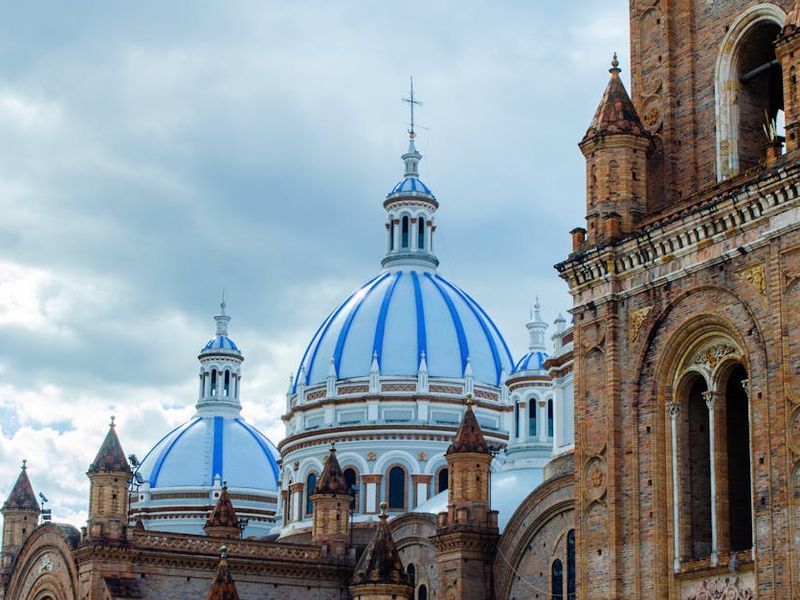
Cuenca’s barrios range from the bustling Historic Center to quieter residential areas. The Centro Histórico around Parque Calderón delivers colonial charm, cathedral views, and easy walkability — ideal if you like being in the middle of things. If you prefer a calmer environment, look for apartments or houses a little farther out in residential zones where mornings are quieter and local life feels slower.
Understand local housing quirks
Many older homes have internal patios and thick walls that keep interiors cool. Central heating is uncommon, so consider properties with good insulation or a small electric heater. Utilities are generally affordable, but note that some neighborhoods have limited high-speed internet options; test your connection before signing a long lease.
Build Community: Local and Expat Connections
Join language exchanges and cultural centers
Learning Spanish will dramatically improve your experience. Language exchanges, conversation meetups, and formal classes at local institutions or private academies make it easier to meet Ecuadorians and other expats. Cultural hubs and the university scene also host talks, art shows, and workshops—great places to make friends who appreciate a slower pace.
Volunteer and join clubs
Volunteering is a powerful way to connect. Opportunities range from tutoring children at community centers to helping at animal rescue groups or local environmental projects. Look for local NGOs and community centers that welcome English-speaking volunteers. Joining interest-based clubs (walking, gardening, photography) helps you bond with people while enjoying Cuenca’s walkable streets and nearby parks.
Slow Living, Smart Routines
Create a flexible daily routine
Slow living in Cuenca isn’t about being idle — it’s about conscious choices. Start your day with a walk to a neighborhood café, spend afternoons at the market or museum, and save household tasks for predictable times. Adopting a flexible schedule that honors both productivity and leisure helps you avoid feeling either rushed or bored.
Plan for relaxation and discovery
Cuenca is rich in small pleasures: weekend artisan markets near the central plazas, museum afternoons at Pumapungo, and live music in cozy bars. Build these into your calendar. When you intentionally schedule time to explore, Cuenca’s slower pace becomes an everyday reward rather than a deprivation.
Shopping and Dining: Learn Where to Go
Use the municipal market and neighborhood shops
Discover the local municipal market for fresh produce, eggs, and bread — prices are often better and quality higher than supermarkets for staples. Local markets also provide a pleasant, social shopping experience. For specialty or imported items, supermarkets and small import stores are available but pricier.
Enjoy long meals and café culture
Cafés and restaurants in Cuenca invite lingering. Try local specialties — mote pillo (a corn dish), fritada (pork), and a vasta array of fresh fruit juices — while catching up on reading or a language session. Tipping practices vary; a small tip is appreciated but not always expected. Check receipts, as some establishments include a service charge.
Transportation: Move at Local Speed
Walkable city center
Cuenca’s historic center is wonderfully walkable. Many residents stroll to run errands, meet friends, or visit the park. Walking not only matches the city’s pace but is also one of the best ways to absorb local rhythms and architecture.
Buses and taxis
Public buses are affordable and cover most of the city, though routes and schedules can be less intuitive than in larger metropolises. Taxis are inexpensive and plentiful; ride-hailing apps have a limited presence, so many people hail taxis on the street or call local companies. Keep small bills handy for fares.
Health, Safety, and Well-Being
Healthcare access
Cuenca offers quality medical services with both public and private options. If you have chronic conditions, bring medical records and a supply of medications while you arrange care locally. Consider health insurance that covers private clinics if quick access is important to you.
Personal safety tips
Cuenca is generally safe, but normal urban precautions apply: leave valuables out of sight, lock windows at night, and avoid poorly lit areas after midnight. Learn about neighborhood nuances from neighbors and local expat groups to understand any micro-safety issues.
Mental Shifts for Long-Term Happiness
Let go of constant busyness
One of the biggest mindset changes is accepting that productivity isn’t the only measure of value. Allow yourself leisurely mornings, slower meals, and spontaneous afternoons in a park. You’ll likely find your creativity and well-being improve once you stop measuring every hour and start enjoying the moment.
Celebrate small routines
Embrace rituals that anchor your days: a morning walk past the cathedral, an evening cup of tea on your balcony, or a weekly visit to a favorite market stall. Over time these small routines become the comforting scaffolding of your life in Cuenca.
Practical Long-Term Tips
Learn local administrative rhythms
Paperwork and legal processes in Ecuador can require multiple visits to municipal offices. Keep originals and photocopies of important documents, and maintain a file with receipts and application confirmations. If you’re applying for residency or the pensionado visa, consult an immigration specialist to streamline the process.
Budget with local realities in mind
Living costs in Cuenca are lower than many Western cities, but imported goods, specialized services, and private health care can be expensive. Factor these into your budget, and shop locally to save money while supporting small vendors.
Make the Pace Yours
Adjusting to Cuenca’s relaxed lifestyle takes time and experimentation. Some days you’ll love the slow afternoons and lingering conversations; other days you’ll miss the efficiency of a fast-moving city. Both feelings are normal. Over weeks and months you’ll find rhythms that work for you — the right barrio, favorite markets, healthcare providers, and social circles.
Ultimately, allowing the city’s tempo to reshape your expectations can open space for deeper relationships, new hobbies, and a healthier pace of life. Treat Cuenca as a long conversation rather than a transaction: listen, respond, and let the city teach you how to move at its pace.
Quick Checklist: Settling In Smoothly
- Arrange a local SIM/data plan and identify nearby clinics and hospitals.
- Find a neighborhood that matches your desired pace — central for activity, residential for calm.
- Learn basic Spanish and join language exchanges or classes.
- Schedule important appointments for mornings or mid-afternoons to avoid lunchtime closures.
- Use the municipal market for fresh food and build a few local vendor relationships.
- Start a slow-living routine: daily walks, market visits, and leisure afternoons.
- Volunteer or join clubs to expand your social circle and feel rooted.
- Carry small bills for taxis, and keep copies of essential documents for bureaucratic tasks.
With small adjustments and an open mind, Cuenca’s relaxed lifestyle becomes less of an adjustment and more of a welcome change. Slow down, explore, and you’ll likely discover that what felt like a loss of pace is really an invitation to live more intentionally.