
Table of Contents
Why Cuenca Belongs on Every Foodie’s Map
Cuenca’s culinary scene blends highland traditions, immigrant flavors, and contemporary creativity. Nestled in the Andes, the city benefits from diverse microclimates nearby: mountain farms, subtropical valleys, and coastal ingredients all find their way to local plates. That makes Cuenca a compact, delicious place to explore — you can go from an open-air market roast to an inventive multi-course dinner in the same afternoon.
Must-Try Dishes: What to Order First
If you want a rapid education in Ecuadorian highland cuisine, start with these classics. Each carries regional history and can be found in markets, family-run comedores, and modern restaurants.
- Hornado: Slow-roasted pork, often served with mote (hominy), llapingachos (cheesy potato patties), and pickled onions. A Sunday favorite.
- Fritada: Braised and fried pork chunks with sweet corn and potatoes, typically accompanied by a spicy sauce and avocado.
- Llapingachos: Pan-fried mashed potato cakes filled with cheese — common as a side or light meal.
- Cuy (guinea pig): A traditional Andean delicacy; roasted or fried, usually prepared for special occasions. If curious, try it at a trusted local establishment.
- Seco: A slow-cooked stew of beef, chicken, or goat in a cilantro-based sauce; hearty and comforting.
- Helado de paila: Hand-churned ice cream frozen in a metal pan over ice and salt — fruity, tangy, and a regional favorite.
- Mote pillo: Hominy sautéed with eggs, scallions, and spices — a beloved breakfast option.
Where to Eat: Neighborhoods and What to Expect
Cuenca’s neighborhoods each have a distinct food personality, which makes deciding where to eat part of the fun.
Historic Center (Centro Histórico)
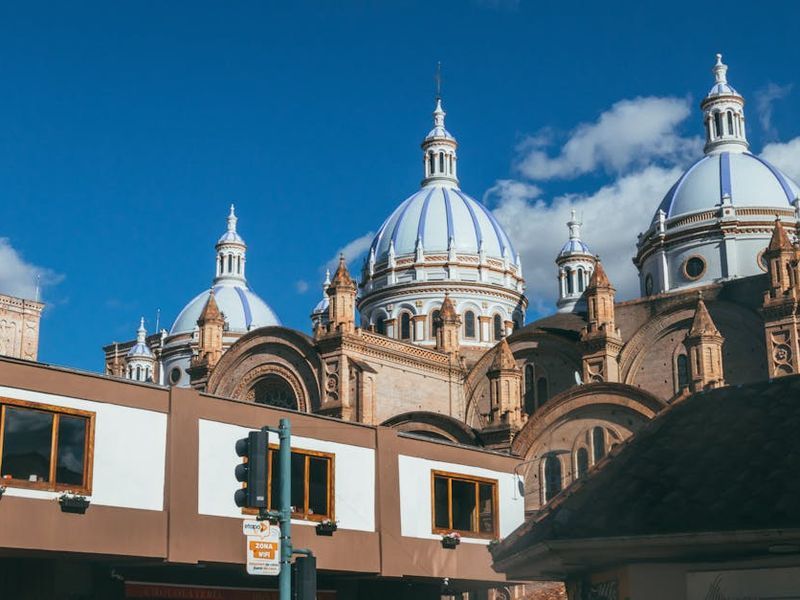
The colonial core around Parque Calderón is filled with cafés, bakeries, and restaurants that cater to tourists and locals. Expect a mix of traditional Ecuadorian dishes and international menus. Many restaurants here offer terraza seating with views of the cathedral — ideal for people-watching and sampling local pastries with coffee.
El Barranco and Riverside Streets
Follow the Tomebamba River to find restaurants with terraces, fusion kitchens, and farm-to-table concepts. This area is great for sunset drinks and dishes made with seasonal produce sourced from nearby valleys.
San Sebastián and Local Comedores
Closer to working-class neighborhoods, you’ll discover family-run comedores and markets where recipes have been passed down generations. These are often the most authentic and budget-friendly places to try hornado, fritada, and full plate lunches (almuerzos).
Newer Districts and Expat Favorites
Scattered cafés, vegetarian hangouts, and international bistros have popped up catering to expats and locals craving variety — from Indian to Mediterranean, and specialty coffee roasters to craft-beer bars.
Markets & Street Food: The Heart of Cuenca’s Flavor
Markets are the best place to sample authentic street food and buy fresh ingredients. Arrive hungry: a food market lunch in Cuenca can be one of the most satisfying culinary experiences.
- Morning market stalls sell fresh fruit, warm corn, and mote pillo — perfect for breakfast on the go.
- Lunch counters in markets often serve set menus (almuerzos): soup, main course, salad, and a drink at a very reasonable price.
- Helado de paila vendors are typically found near parks and plazas; watch the ice cream being made — it’s almost a performance.
Vegetarian, Vegan, and Dietary-Friendly Options
Cuenca’s food scene is becoming friendlier to dietary needs. While many traditional dishes revolve around meat and dairy, you’ll find vegetarian comedores, vegan cafés, and restaurants that can accommodate gluten-free requests.
- Look for vegetarian set menus in cafés and small bistros near Parque Calderón and Barranco.
- Fresh markets are a veggie-lover’s dream — buy paneer-style local cheese, ripe avocados, and heaps of fresh greens.
- When in doubt, ask: Spanish phrases like “soy vegetariano/a” (I’m vegetarian) or “sin carne, por favor” (without meat, please) go a long way.
Price Guide & Practical Dining Tips
Dining in Cuenca can be very affordable, but prices vary by venue type and location. Here’s a quick guide so you can budget wisely.
- Street food and markets: $1–$5 per item. These are the best deals for authentic local food.
- Local comedores/almuerzo: $3–$6 for a filling set lunch (sopa + plato + bebida).
- Mid-range restaurants: $8–$20 per person, depending on drinks and appetizers.
- Fine dining and tasting menus: $25–$50+ per person for multi-course experiences that highlight local ingredients.
Other practical tips:
- Currency: Ecuador uses the U.S. dollar. Small change is handy for markets and buses.
- Payment: Cash is preferred at smaller stalls; most mid-range and high-end restaurants accept cards.
- Tipping: 10% is customary if service is not included — check your bill.
- Hours: Lunch is typically between 12:00–15:00; dinner from 19:00–22:00. Markets are busiest in the morning.
- Water: While many residents drink treated water, some visitors prefer bottled or filtered water; bring a reusable bottle if you have access to filtered refills.
How to Pick a Great Restaurant: Signs a Place Is Worth Trying
With so many options, a few quick checks will help you avoid disappointment.
- Look for comfort and crowd: Busy lunch counters and family-run spots often signal fresh, popular food.
- Ask locals: Shopkeepers, taxi drivers, and hotel staff often have the best recommendations for regional specialties.
- Check the menu: A short menu focusing on a few specialties is often better than an overly broad international menu.
- Smell and sight: Fresh ingredients and open kitchens usually mean higher quality.
Culinary Experiences Beyond Restaurants
To deepen your appreciation for Cuenca’s flavors, add one or two hands-on experiences to your itinerary.
- Cooking classes: Learn to make llapingachos, fritada, or ceviche with local chefs — many classes include market tours to choose ingredients.
- Food tours: Guided tastings can introduce you to small vendors and hidden comedores you might miss on your own.
- Farm visits: Nearby farms and cooperatives sometimes offer tours to see how Andean produce and cheeses are made.
Safety, Hygiene, and When to Be Cautious
Cuenca is generally a safe city for dining out, but common-sense precautions help you stay healthy and comfortable.
- Avoid ice in drinks from unknown vendors if you’re unsure of the water source.
- Choose stalls with high turnover for fresher food.
- Trust your senses: if food looks or smells off, it’s okay to walk away.
A Sample 48-Hour Foodie Itinerary
Short on time? This tasting-focused plan packs the best of Cuenca into two delicious days.
Day 1 — Market Morning and Riverside Evening
- Start at a bustling market for mote pillo and freshly roasted coffee.
- Visit a bakery near Parque Calderón for bizcochos and cheese rolls.
- Lunch at a comedor for hornado or fritada with a glass of fresh fruit juice.
- Afternoon coffee at a specialty café — look for single-origin Ecuadorian beans.
- Dinner in El Barranco: try a modern Andean tasting menu or a riverside terrace with farm-to-table dishes.
Day 2 — Local Lunches and Sweet Finishes
- Breakfast at a neighborhood café: try empanadas de viento and a latte.
- Take a midday food tour or a short cooking class with market shopping.
- Late lunch at a small restaurant serving seco or a seafood specialty if you crave coastal flavors.
- Finish with helado de paila and a walk along the river at sunset.
Final Tips for a More Flavorful Visit
To make the most of Cuenca’s food scene, approach dining with curiosity and flexibility:
- Be adventurous: try a small plate of something unfamiliar — regional cooks often prepare unique twists on classic ingredients.
- Balance: mix market meals and street snacks with a couple of sit-down restaurants to experience the full spectrum of flavors.
- Time your explorations: mornings are best for markets, afternoons for cafés, and evenings for culinary theater at nicer restaurants.
- Learn a few phrases: a smile and “¿Cuál es su especialidad?” (What is your specialty?) go a long way.
Cuenca rewards curious palates. Whether you’re chasing hornado in a bustling mercado, savoring a thoughtfully sourced tasting menu by the river, or indulging in helado de paila under the shade of a plaza tree, the city offers layered, memorable flavors that reflect its people and place. Pack an appetite, bring cash for small vendors, and leave room for a few culinary surprises — Cuenca’s food scene loves to be explored slowly.