
Table of Contents
Why Cuenca’s Slow Pace Feels Different (and Why That’s Good)
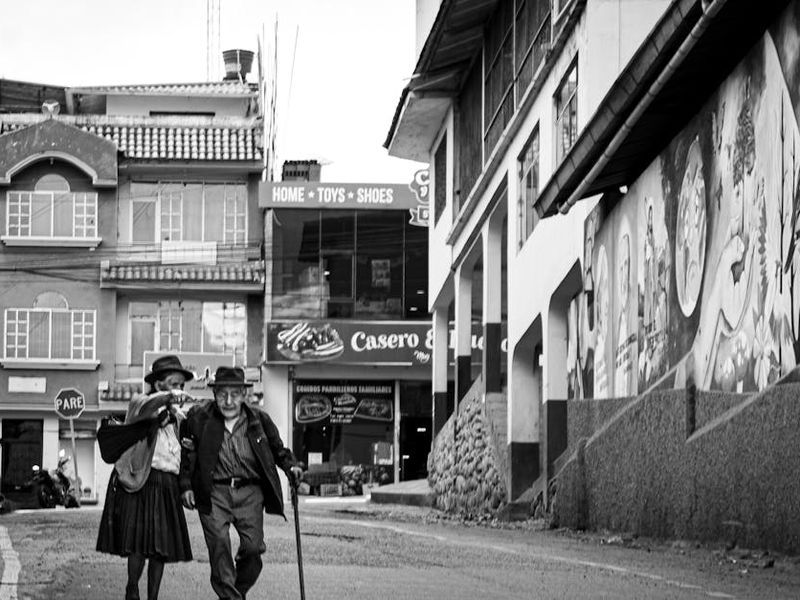
Cuenca, nestled in the Andean highlands of southern Ecuador, is famous for its colonial architecture, blue-domed cathedral, and a tempo of life that favors presence over rush. The city’s elevation keeps weather mild year-round, the Tomebamba River meanders through tidy promenades, and leafy plazas invite lingering conversations. For newcomers used to hurried schedules, adapting to this calmer rhythm can be a gift — if you know how to open your hands to it.
First Steps: Recalibrate Expectations
Adjustment starts with mindset. Services run at a different pace: banks, municipal offices, and many small shops can have shorter hours and slower queues. Instead of triaging every errand into an all-day sprint, plan schedules with buffer time and adopt a two-task-per-day attitude when you first arrive. Expect charm and occasional inefficiency — the trick is to notice the charm first.
Practical scheduling tips
- Bring paperwork early to government offices: mornings are quieter and staff can be more helpful.
- Allow extra time for appointments and paperwork: processes can require multiple visits or additional documents.
- Set alarms for utility payments and appointments — small things slide if you forget in a relaxed culture.
Build a Comfortable Daily Rhythm
Cuenca’s daily life is built around neighborhoods more than around office towers. Locals shop at neighborhood markets, stroll with coffee along the river, and meet friends in family-run cafés. To settle in, create a predictable routine that respects the city’s tempo: morning market visits, an afternoon siesta or quiet reading time, and evening walks in the historic center.
Sample week-in-Cuenca schedule
- Morning: Visit a local panadería for fresh bread and a cafe; walk by the Tomebamba River before the city heats up.
- Midday: Run errands, visit a health clinic, or attend a Spanish class. Many smaller shops close for lunch — check posted hours.
- Afternoon: Read, practice Spanish with a neighbor, or relax in Parque Calderón.
- Evening: Dine at a family-run restaurant, enjoy a rooftop view of the New Cathedral, or visit a neighborhood cultural event.
Learn the Local Customs That Slow Things Down
Social norms in Cuenca are gentle but distinct. People greet each other with warmth, there is a strong emphasis on family and community, and time spent chatting is rarely wasted. Embracing these local customs helps you feel connected and reduces frustration when things don’t move at the speed you’re used to.
Cultural practices to adopt
- Greet with a smile and a light cheek kiss or handshake — formality matters in first interactions.
- Respect family meal times; many restaurants thin out midafternoon as people head home to eat.
- Be patient when bargaining at markets: it’s part commerce and part conversation.
Get Comfortable with the City’s Physical Reality
Cuenca sits at about 2,500–2,600 meters above sea level. The climate is often described as “perpetual spring”: sun in the morning, cooler afternoons, and crisp nights. The elevation affects energy levels, at least for the first few weeks, so listen to your body and take it easy.
Practical health and gear tips
- Bring layers: temperatures can swing considerably between morning and night.
- Hydrate and move slowly during the first weeks to acclimate to altitude.
- Find a local pharmacy early; many over-the-counter remedies are readily available and pharmacists are helpful.
Where to Live: Neighborhoods That Match the Pace
Choosing a neighborhood in Cuenca means balancing access to services with the kind of pace you prefer. The historic center is lively and walkable, filled with cafes and artisan shops. Neighborhoods like El Vergel and San Blas offer quieter residential streets and proximity to parks and markets. Look for vintage colonial homes with thick walls — great for soundproofing but occasionally cooler inside, so consider heating options.
Housing and rental practicalities
- Short-term rentals help you sample neighborhoods before committing to a longer lease.
- Typical rental contracts run six to twelve months; landlords may ask for proof of income or references.
- Check hot water availability: some older houses use gas heaters and may require you to run hot water sparingly.
Integrating Socially: From Hola to Amigos
Making friends makes the relaxed pace feel nourishing rather than isolating. Cuenca has a steady stream of expats — retirees, remote workers, teachers — so community resources exist but genuine integration requires effort. Attend neighborhood events, try volunteer opportunities, and use Spanish in everyday interactions to deepen connections.
Ways to meet people
- Join a Spanish class or language exchange; practicing in real contexts accelerates learning and friendships.
- Attend cultural events and market days along the river — people-watching here leads to conversations.
- Volunteer at local NGOs or community centers; contributing to shared projects is a fast track to belonging.
Food, Markets, and How to Eat Like a Local
One of the easiest pleasures in Cuenca is food. Local cuisine highlights Andean ingredients: potatoes, corn, cheese, and hearty soups. Markets sell fresh produce and street stalls serve traditional snacks that become part of your weekly rhythm. Learning a few local dishes opens doors and palettes.
Must-try foods and market habits
- Try locro de papas (potato and cheese soup) on a cool morning and hornado (slow-roasted pork) for a festive lunch.
- Sample helado de paila — a traditional fruit sherbet made in copper pans — often found at market stalls.
- Visit the municipal markets early for the freshest produce and the liveliest conversations; bring small bills for vendors.
Managing Practical Needs: Healthcare, Connectivity, and Money
Cuenca offers quality medical care at a fraction of North American costs. Public hospitals and private clinics both serve residents, and many doctors have experience with expatriates. For daily life, get a local SIM card (Claro and Movistar have good coverage), set up a bank account if staying long term, and keep some cash handy — small vendors prefer it.
Helpful practical tips
- Reserve a trusted local doctor and keep emergency numbers at hand.
- Consider health insurance that covers both local care and international evacuation if you travel frequently.
- Use local banks for easier bill payments and rental transactions; ATMs are widespread in the historic center.
Navigating Transport: Walk, Tram, or Taxi?
Cuenca’s compact center makes walking a joy — sidewalks by the rivers and plazas invite exploration. The city also has a modern tram line linking major points, supplementing a network of buses and taxis. For day trips to El Cajas National Park or nearby artisan towns like Chordeleg (known for silver jewelry), consider private tours or regional buses.
Transport tips
- Learn basic bus routes for budget travel and use taxis or ride apps for late nights or convenience.
- Wear comfortable shoes: cobblestone streets are picturesque but uneven.
- Plan longer excursions on weekdays when local traffic is lighter and services for tours are more available.
Dealing with Moments of Frustration
It’s normal to feel impatient or nostalgic for your previous pace of life. When frustration spikes, use it as a cue to pause rather than push harder. Take a river walk, enjoy a cup of coffee on a plaza bench, or call a friend back home. Slow living isn’t about constant contentment — it’s about acceptance and gentle adaptation.
Quick coping strategies
- Schedule ‘admin days’ rather than compressing errands into a frantic morning.
- Create rituals (morning coffee spot, weekly mercado visit) that anchor your days and provide predictable pleasure.
- Practice small acts of curiosity: ask a vendor about their produce, learn a recipe from a neighbor, or take a local craft class.
Use the City as a Classroom
Cuenca teaches patience, close community ties, and attentiveness to the small luxuries of life. Treat your time here as a learning opportunity: improve your Spanish, try new foods, volunteer, and study local history. The city’s museums, walking tours, and the striking view from Mirador de Turi invite slow, reflective exploration.
Final Thoughts: Letting the City Teach You
Adjusting to Cuenca’s relaxed lifestyle is about reciprocal change: you give the city your time and attention, and it repays you with less stress, deeper relationships, and more room to breathe. The transition can be disorienting at first, but with practical planning, social openness, and a willingness to accept a gentler pace, you’ll find Cuenca’s rhythm rewarding. Make a habit of small daily rituals, connect with neighbors, and let yourself be surprised by the beauty of a slower day.
Whether you’re here for a long retirement, a season of remote work, or just a sabbatical, Cuenca offers a living lesson in how much more life can fit into fewer rushed hours. Embrace that lesson one walk, one market, and one cup of coffee at a time.