
Table of Contents
Why Cuenca? A Snapshot for American Retirees
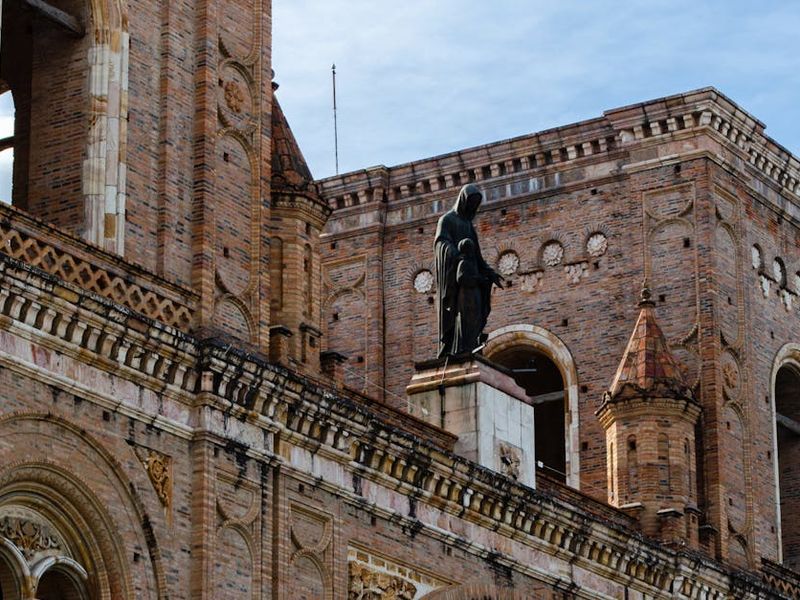
Cuenca, Ecuador combines colonial charm, mild mountain weather, and affordable living — qualities that draw retirees from the United States who rely on Social Security checks. Nestled in the Andes at roughly 2,560 meters, the city offers cobblestone streets, a lively expat community, and easy access to modern services. For many, it provides a comfortable, culturally rich retirement where predictable income goes further than it does in many parts of the U.S.
Understanding Your Income and Residency Options
The most straightforward path for retirees is Ecuador’s pensioner residency category, commonly called the pensionado visa. This route is designed for people with guaranteed lifetime income, such as Social Security benefits, and typically requires documented proof of regular pension payments. Thresholds can change, so check the Ecuadorian consulate or immigration website for current minimums. Many retirees find their monthly Social Security checks meet the requirement.
What Documentation You Usually Need
- Original and apostilled birth certificate and passport pages
- Proof of pension income, such as Social Security award letters or bank statements showing automatic deposits
- Police background check (FBI) with apostille and translation
- Marriage or divorce certificates if applicable
- Completed visa application forms and passport photos
Translations to Spanish and apostilles are commonly required. Many expats use a relocation attorney or visa service in Cuenca to streamline the process and help with local filings.
Budgeting: How Far Does Social Security Go?
People ask: can I live comfortably in Cuenca on Social Security alone? Short answer: yes for many. How comfortable depends on your benefit amount, lifestyle, and whether you own a home. Here are ballpark monthly budgets to illustrate possibilities.
Sample Monthly Budgets (Estimates)
- Frugal solo retiree: $900–$1,200 — basic rented studio, modest groceries, local transport, no car, limited dining out
- Moderate lifestyle: $1,500–$2,000 — nicer one-bedroom or small two-bedroom, occasional dining out, domestic help once or twice a week, private health insurance
- Comfortable couple: $2,000–$3,500 — spacious apartment, more travel, private services, more foreign foods and imports
These figures are illustrative. Rent varies dramatically by neighborhood and building age; a renovated colonial apartment in the historic center will cost more than a modern unit farther from downtown. Utility costs are generally modest; electricity can rise if you use electric heating, but most homes rely on efficient gas or wood stoves for hot water and cooking.
Housing Options and Neighborhoods
Cuenca offers diverse living choices: historic stone-and-wood apartments near Parque Calderón, mid-century family homes in quieter districts, and newer gated communities on the outskirts. Viewings are best done in person; short-term rentals let you test neighborhoods before committing to a longer lease or purchase.
Finding the Right Place
- Use local real estate agencies and Facebook groups to find listings
- Look for buildings with elevators if mobility is a concern; many older buildings do not have them
- Check water pressure and the reliability of hot water during a visit
- Consider noise levels — living above a busy café is charming but can be noisy on weekends
Foreigners can buy property in Ecuador with the same rights as Ecuadorians. If purchasing, hire a local attorney to do title searches and handle paperwork. Closing costs and taxes are generally lower than in the U.S., but professional guidance is recommended.
Healthcare: Quality, Cost, and Practical Steps
Healthcare in Cuenca is one of the city’s strengths for retirees. The city has both public hospitals and private clinics that provide modern care at prices well below U.S. costs. Expats commonly combine Ecuador’s public health options with private insurance for faster access and broader coverage.
Public vs Private Care
- Public system: After becoming a legal resident, many retirees enroll in Ecuador’s public social security system for access to hospitals and specialist care. Waiting times can be longer, but costs are much lower.
- Private care: Private clinics and specialists offer shorter wait times and English-speaking staff in some facilities. Private insurers and cash payments are common for routine care.
Important note: Medicare from the U.S. does not pay for health services outside the United States. If you depend on Medicare, plan for private international or Ecuadorian coverage to avoid large out-of-pocket bills. Many retirees choose a primary private insurance plan for quick access and then use public services as appropriate.
Everyday Life: Food, Transportation, and Community
Daily life in Cuenca delights many newcomers. Fresh fruit and vegetables are widely available at local mercados, and dining out is affordable — from traditional Ecuadorian ceviche and cuy to international restaurants run by expats. Grocery stores carry international brands, though some specialty items are pricier.
Getting Around
- Public buses are cheap and cover most of the city; fares are a few cents compared with U.S. transit prices
- Taxis are inexpensive for short trips; agree on a fare or ensure the driver uses a meter
- Many retirees walk or use a bicycle for short distances in the historic center
Cuenca also has a growing light-rail/tram system and well-maintained roads connecting it to smaller towns and the coast. If you plan to drive, an international driving permit and familiarity with local driving habits are advisable.
Practical Steps to Move — A Checklist
Moving abroad works best with a staged approach. Below is a practical checklist many retirees follow.
- Take an exploratory trip for 1–3 months to test neighborhoods and services
- Talk to other expats — online forums and meetups are invaluable
- Arrange health insurance for the transition period
- Apply for the pensionado visa or other residency category
- Secure short-term housing before hunting for a longer lease or home purchase
- Open a local bank account once you have a residency ID (cedula) or passport-based options
- Register with your local U.S. embassy or consulate and set up a U.S. forwarding address if needed
Banking, Money Transfers, and Taxes
Ecuador uses the US dollar, which simplifies finances for Americans. Transferring money back and forth is straightforward: many retirees use international transfer services that offer better rates than banks. Opening a local bank account becomes easier after you gain residency and a cedula. Ecuadorian banks provide debit cards and local payment options, but always maintain a U.S. account for Medicare, Social Security, and tax reasons.
Taxes and Reporting
U.S. citizens must continue filing U.S. taxes, even while living abroad. Ecuador has its own tax residency rules, often based on the length of stay within a year. There is no blanket exemption for foreign-earned Social Security benefits; consult a tax professional experienced in U.S.-Ecuador matters to understand double-taxation issues and any tax filing obligations in Ecuador.
Language and Integration
Spanish is the language of daily life. While many service providers in Cuenca speak some English and the expat community is supportive, learning Spanish will deepen your experience and reduce friction on tasks like dealing with banks, medical appointments, or municipal offices.
Ways to Learn and Meet People
- Enroll in local Spanish schools or hire a private tutor
- Attend language exchange meetups to practice conversational Spanish
- Volunteer at local organizations to meet Ecuadorians and give back
- Join expat groups on social media, and attend cultural events like festivals and markets
Pros and Cons: An Honest Look
Choices about retirement are deeply personal. Here are common advantages and challenges former U.S. residents cite about retiring to Cuenca.
Advantages
- Lower cost of living means Social Security stretches further
- Access to both public and private healthcare at lower prices
- Mild, spring-like climate year-round
- Rich cultural life, good food, and a friendly expat community
Challenges
- Bureaucracy can be slow; patience is necessary for paperwork
- Language barrier if you don’t learn Spanish
- Limited availability of some US-brand products and services
- Altitude takes time for newcomers to adjust to — take it easy during your first month
Top Practical Tips from Long-Term Expats
- Bring critical documents and ensure apostilles before leaving the U.S.
- Start with a long-term Airbnb or month-to-month rental to scout neighborhoods
- Keep at least one U.S. bank account open for direct Social Security deposits and emergencies
- Arrange international health insurance for the first year, then reassess local options after residency
- Network early — expat groups will save you time and help with trusted local providers
Final Thoughts: Is Cuenca Right for You?
For many Americans on Social Security, Cuenca offers a high quality of life at a fraction of the cost in many U.S. cities. It rewards curiosity, social engagement, and flexibility. If you like culture, mild weather, and a compact city that’s easy to get around, Cuenca can be an excellent retirement destination.
Take your time to plan: visit multiple seasons if possible, verify residency rules before you move, and talk to both expats and locals to build a network. With some preparation and realistic budgeting, retiring to Cuenca on Social Security is an achievable and enriching way to live your retirement years.