
Table of Contents
Why Cuenca is a Smart Choice for Social Security Retirees
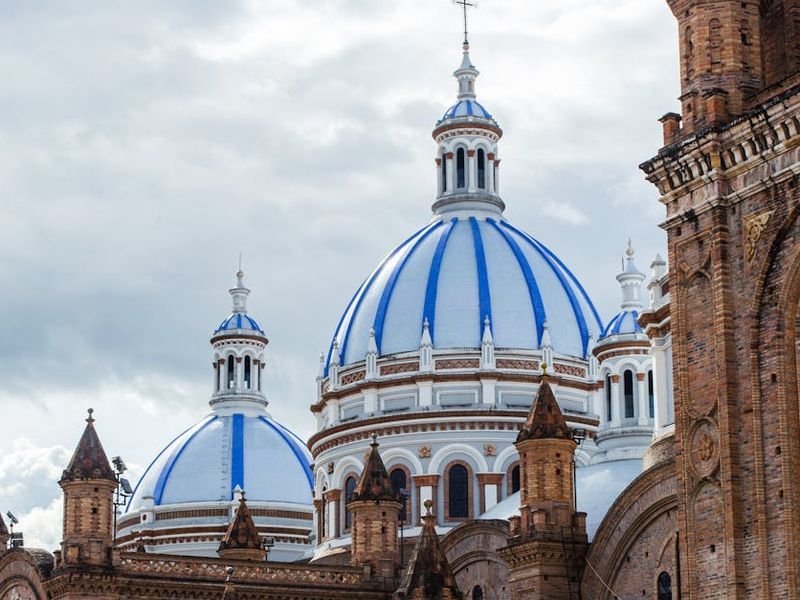
Cuenca, Ecuador is consistently one of the top retirement destinations for North Americans. Perched in the Andes at roughly 2,560 meters (about 8,400 feet), the city offers a spring-like climate year-round, a friendly expat community, affordable living, and architecture-filled cobblestone streets centered around the Parque Calderón. For Americans living on Social Security, Cuenca’s lower costs and excellent local services can stretch fixed incomes without forcing a major lifestyle downgrade.
How Social Security Fits into an Expat Budget
Most U.S. retirees receive Social Security as their primary fixed income. In Ecuador, the U.S. dollar is the official currency, which removes the exchange-rate hassle and helps with predictable monthly budgeting. Depending on your benefit amount, you can live modestly or comfortably. To make planning concrete, here are three sample monthly budgets for Cuenca (all numbers are illustrative and depend on personal preferences):
- Modest: $900–$1,300 — small downtown apartment or shared living, groceries, public transport, local healthcare pay-as-you-go.
- Comfortable: $1,400–$2,200 — one- or two-bedroom apartment in a good neighborhood, modest dining out, private insurance option.
- Luxurious: $2,500+ — high-end condo, regular private healthcare, travel and frequent dining at nicer restaurants.
Cuenca’s strengths for Social Security retirees include cheap local transportation (bus fares are a few cents to under a dollar), affordable produce and markets, and low-cost domestic help if desired. Older expats often find their Social Security stretches significantly more than it would in major U.S. metro areas.
Residency Options: The Pensionado (Pensioner) Route
Most Americans who plan to stay long-term pursue Ecuador’s pensionado visa (also called the pensioner or retired visa). This route is designed for people with a guaranteed lifetime pension—Social Security qualifies. The basic process involves submitting proof of regular pension income, identity documents, background checks, and application forms to Ecuadorian immigration authorities (either at a consulate abroad or in Cuenca).
Practical tips for the visa process:
- Obtain an official verification of your Social Security benefits from the SSA (a benefits letter or SSA statement). This document should show the monthly amount and that payments are ongoing.
- Apostille and/or legalization: Many documents need an apostille (or consular legalization) from the U.S. state where they were issued. Check current requirements with the Ecuadorian consulate.
- Criminal background check: The Ecuadorian authorities typically require a police record check (FBI or state-level) for residency applications. Have it apostilled and translated if necessary.
- Translations: Documents submitted to migration are generally expected in Spanish. Use a certified translator to avoid delays.
- Expect renewals: Pensionado visas are usually issued on a renewable basis. Keep copies of everything and track expirations closely.
Because regulations change, verify up-to-date requirements with the nearest Ecuadorian consulate or an immigration attorney in Cuenca before you make plans.
Step-by-Step Arrival and Getting Settled in Cuenca
Here’s a practical timeline many retirees follow:
- 90-day tourist entry: U.S. citizens receive up to 90 days on arrival. Use this time to scout neighborhoods, meet expats, and start the paperwork process.
- Gather documents: While in the U.S., request SSA benefit letters, birth certificates, marriage certificates, and an FBI background check to take with you.
- Apply for pensionado visa: Either at an Ecuadorian consulate or in-country with local immigration (depending on current rules).
- Obtain cedula: After visa approval, get your Ecuadorian ID card (cédula) which unlocks banking, healthcare enrollment, and local services.
- Register locally: Some expats sign up with IESS (public health insurance), while others opt for private insurance—more on this below.
Health Care: Quality, Cost, and How to Access It
Health care in Cuenca is a major reason retirees move here. The city has reputable public hospitals operated by IESS and private clinics with modern facilities. Typical advantages include lower fees, bilingual doctors in some practices, and short wait times for private services. Common procedures, dental care, glasses, and medications are often much less expensive than in the U.S.
What to know as a Social Security retiree:
- IESS: Once you have pensionado status and a cédula, research eligibility for IESS coverage (the national social security system). Some retirees enroll; others remain private-pay or buy private insurance.
- Private insurance: International or local plans are available; compare coverage, networks, and emergency evacuation options. Many expats keep a U.S. travel medical policy for the first year.
- Bring records: Carry a summary of medical history, prescriptions, and immunization records when you move. Local doctors appreciate translated summaries.
- English-speaking doctors: You can find physicians and specialists who speak English, but learning basic Spanish will greatly improve communications and reduce reliance on translation.
Housing: Where to Live within Cuenca
Cuenca’s neighborhoods offer a range of lifestyles, from colonial charm to newer, quieter residential districts. Many retirees choose locations that balance convenience and calm:
- Historic Center / Parque Calderón: Lively, close to shops and cafes, architecture, and the heart of cultural life. Good for those who enjoy walking and social life.
- Riverside and hillside neighborhoods: Areas near the Tomebamba River and the old city provide scenic views and quieter streets while remaining close to amenities.
- Suburban areas: For larger properties or newer construction, neighborhoods a short drive from the center offer more space and modern conveniences.
Renting first is wise. Typical rental contracts are flexible; for long-term residency, consider buying—property purchases require a notary (notario), a title search, and often the help of a bilingual attorney. Property taxes and transaction costs are generally lower than in the U.S., but do your due diligence.
Banking and Money Management
Because Ecuador uses the U.S. dollar, managing money is simpler for Americans. Practical financial tips:
- Direct deposit: Many retirees keep Social Security direct-deposited into a U.S. bank account, then transfer funds to Ecuador as needed. Check with SSA and your bank about direct deposits to foreign banks—rules change.
- Local USD accounts: Ecuadorian banks offer dollar accounts for residents. You’ll need your cédula and proof of address to open an account.
- ATM strategy: Choose banks with low fees or use U.S. cards with ATM reimbursement policies. Having a mix of cash and cards reduces risk.
- Money transfer services: Use reputable services (Wise, Remitly, bank wire) for larger one-time transfers and compare exchange and fee structures even though currency is USD—fees still apply.
Taxes: U.S. Obligations and Ecuadorian Rules
U.S. citizens remain liable for U.S. federal taxes even when living abroad. Social Security payments are reported to the IRS and may be taxable depending on your worldwide income. Ecuador taxes residents on worldwide income as well, and the tax rules for pensions can be complex. Important steps:
- Consult a cross-border tax professional before you move to understand how your Social Security, retirement accounts, and other income will be taxed.
- File U.S. tax returns each year and keep clear records of your residency and income.
- Stay informed: tax treaties and bilateral agreements can change; a local accountant familiar with U.S.-Ecuador matters will save headaches.
Language, Local Life, and Community Integration
Spanish is the daily language in Cuenca. While you can get by in some services with English, learning Spanish unlocks the best local experiences and reduces friction when dealing with government paperwork or healthcare. Ways to learn and integrate:
- Language classes: Local language schools offer immersion programs. Universities and private tutors can tailor lessons for retirees.
- Volunteer and clubs: Join local volunteer groups, expat meetups, or cultural associations. Cuenca has active expat groups and international clubs.
- Festivals and culture: Participate in local events—Cuenca celebrates independence events in November, Semana Santa, and numerous cultural festivals that are excellent ways to meet neighbors.
Safety and Everyday Practicalities
Cuenca is widely considered safe compared to many cities, with a lower rate of violent crime. Petty theft and opportunistic scams are the most common issues. Practical precautions include:
- Stay alert in crowded tourist areas and on buses. Use a money belt or inside pockets for passports and cash.
- Lock windows and doors—some older colonial apartments require extra security measures for ground-floor units.
- Get to know neighbors and local vendors; community ties are an effective safety net.
Transportation and Getting Around
Cuenca’s public transportation system is inexpensive and extensive; buses and taxis are widely available. For quick trips, taxis are affordable, and rideshare services sometimes operate in the city. If you plan to drive, remember Ecuadorian roads and driving customs differ from the U.S.—an international driver’s license and local insurance are advisable. Many retirees find they don’t need a car once settled in town, thanks to walkable neighborhoods and reliable public transit.
Common Questions from Americans Considering the Move
Can I receive my Social Security in Ecuador?
Yes—Social Security can be received while living abroad. Many retirees have payments deposited into a U.S. bank account and then draw funds from Ecuador. Check with the SSA about direct deposit to foreign banks and consider the convenience of a U.S. bank card that works in Ecuadorian ATMs.
Will my Social Security be enough?
That depends on lifestyle. If you are accustomed to a modest lifestyle, Social Security alone can be enough in Cuenca. If you have higher expectations—frequent international travel, upscale housing, and private healthcare—you’ll want supplemental savings or retirement income.
Do I need to speak Spanish?
Not strictly, but basic Spanish makes daily life easier and earns respect from locals. Many expats report rapid improvement with immersion and local classes. Even simple phrases will make grocery shopping, doctor visits, and social connections much smoother.
Final Practical Checklist Before You Move
- Request an official SSA benefit verification letter and any retirement-related documentation.
- Order an FBI background check and any certified copies of birth/marriage certificates; get them apostilled if required.
- Arrange a short scouting trip to Cuenca to explore neighborhoods, healthcare facilities, and meet local expats.
- Line up banking plans—decide whether to keep a U.S. account or open an Ecuadorian USD account upon arrival.
- Choose temporary housing for your first months while you search for a long-term rental or property to buy.
- Talk to a tax advisor familiar with U.S.-Ecuador matters to plan ahead for filing and tax effects on your pension.
Conclusion: Retirement Life on Social Security in Cuenca
Retiring to Cuenca on Social Security is realistic for many Americans. The combination of Ecuador’s dollar economy, affordable living, quality healthcare, and welcoming cultural scene makes it an attractive option. The keys to success are careful planning—especially paperwork and finances—learning some Spanish, and taking the time to settle in slowly. With the right preparation, Cuenca can offer a fulfilling, comfortable retirement life where a Social Security check goes further and your days are filled with parks, markets, and a vibrant local culture.
Remember: immigration and tax rules change. Before making the move, verify current visa requirements with Ecuadorian authorities and consult professionals for legal and tax advice tailored to your personal situation.