
Table of Contents
Why Cuenca Attracts American Expats
Cuenca has long been a top choice for American retirees, remote workers, and families seeking a slower pace without giving up urban conveniences. The city’s mild mountain climate, colonial charm centered around Parque Calderón and the Tomebamba River, and lower cost of living create fertile ground for building a comfortable life. But moving here is only the beginning—the social networks and communities you find will determine how quickly you feel at home.
Overview of Expat Neighborhoods Where Americans Cluster
Americans tend to gravitate to a few Cuenca neighborhoods that offer walkability, amenities, and a mix of local and international services. Knowing the character of each area will help you choose the right social scene.
Centro Histórico (Old Town)
The historic center is the heartbeat of expat social life. Cobbled streets, plazas, and easy access to cafés and galleries make it ideal for those who enjoy arts, festivals, and frequent public events. You’ll find language exchanges, walking tours, and a steady stream of meetups occurring in and near Parque Calderón.
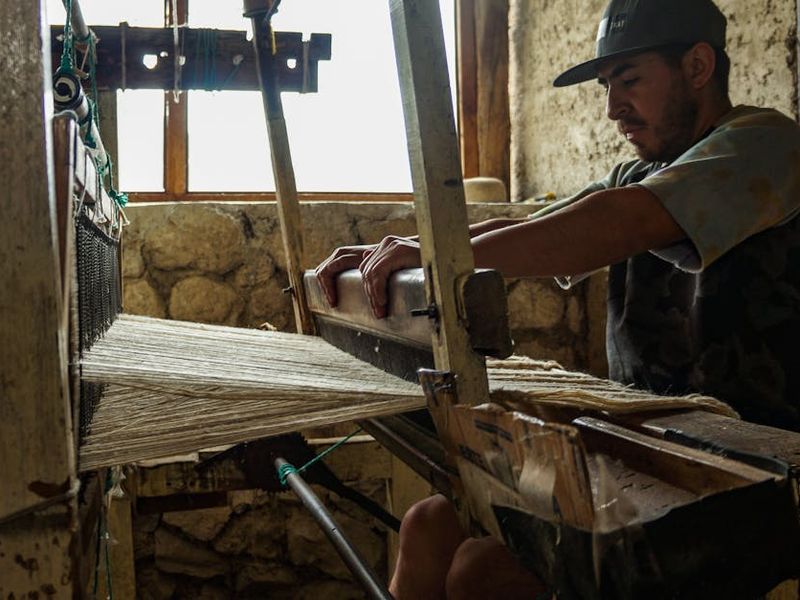
San Sebastián and the Artisan District
San Sebastián is known for workshops, artisan markets, and a creative vibe. It’s popular with expats who enjoy craft classes, small galleries, and community celebrations. Many intercambios (language exchanges) and cultural nights are hosted here.
El Batán and Residential Areas
El Batán and nearby residential neighborhoods attract families and retirees who want quieter streets and larger apartments or houses. Community centers, local gyms, and school-related events are useful entry points into the expat population here.
Where to Find Immediate Support and Practical Help
When you arrive, it helps to plug into a few practical resources to smooth the transition—everything from help with residency paperwork to healthcare referrals.
- Expats-run websites and newsletters: Local expat blogs and newsletters publish updated practical guides on visas, housing market trends, and medical referrals. They often announce meetups and social events.
- Facebook groups and online forums: There are active groups where newcomers ask immediate questions about cell phone plans, bank accounts, and trusted mechanics. These groups are also where people post impromptu meetups.
- Language schools and intercambio notices: Spanish schools post community bulletin boards and host intercambio evenings—ideal for both improving Spanish and meeting other internationals.
- International clubs and Rotary: Clubs like Rotary or other civic groups frequently have international chapters that welcome English-speaking members; they’re helpful for networking and philanthropy.
Social Hubs: Cafés, Restaurants, and Cultural Spaces
In Cuenca, friendships often start over coffee or at the neighborhood market. Make a habit of frequenting a few local spots where regulars gather; over time you’ll be recognized and introduced to others.
Cafés Along the Tomebamba
The riverside walkways and riverside cafés are magnets for readers, remote workers, and informally organized groups. Bring a laptop or a book and linger—many informal conversations that turn into friendships start here.
International Restaurants and Expat Favorites
International restaurants that serve familiar foods, such as pizza, burgers, or comfort desserts, often serve as meeting points for expat groups. Many host special nights—trivia, live music, or salsa lessons—that draw repeat crowds.
Artisan Markets and Cultural Centers
Weekend artisan markets, gallery openings, and cultural centers in the historic core are great places to meet locals and expats who share creative interests. Volunteering for a weekend event is a fast way to get to know people behind the scenes.
Clubs and Groups Where Americans Build Deeper Friendships
For many Americans, joining a club with regular meetings is the fastest route to close friendships. Below are some group types that are especially active in Cuenca.
- Language exchange groups (intercambios): These are weekly or biweekly meetings where people pair off to practice English and Spanish. Rotating partners ensures you meet a variety of people.
- Walking and hiking clubs: The surrounding Andes offer easy day hikes and gentle nature walks. Regular outings create strong bonds, especially when groups share post-hike meals.
- Volunteer organizations: Volunteering at animal shelters, community kitchens, or arts education programs connects you to both expats and local leaders.
- Book clubs, cooking classes, and craft workshops: Shared hobbies are natural friendship builders. Look for groups advertised at cultural centers and bookstores.
- Health and wellness groups: Yoga studios, Pilates groups, and senior wellness classes often attract English-speaking clientele and host social events.
Online to Offline: How to Turn Virtual Connections into Real Friendships
Online groups will be your first step, but converting digital contacts into real-life friends requires intention. Here are practical steps to make that happen:
- Introduce yourself publicly: Post a short intro in local Facebook groups saying you’re new, what neighborhood you’re in, and what you’re looking for—walking buddy, language partner, or café chat.
- Reply to meetups promptly: RSVP early to small-group events rather than only large gatherings; smaller settings make conversation easier.
- Host a casual gathering: Invite a few people from a group to a potluck or coffee. Meeting in your home or apartment can deepen connections.
- Follow up and exchange contact info: After an event, message new acquaintances mentioning something you discussed. Suggest meeting again around a shared interest.
Practical Tips for Social Integration and Cultural Awareness
Understanding local norms will help you make better connections and avoid social missteps.
Learn basic Spanish—then practice
Even a modest ability in Spanish opens doors. Locals appreciate the effort and it earns quicker trust than relying solely on English. Show up to intercambio meetings with a list of topics you’d like to practice.
Adapt to local rhythms and hospitality
Social life in Cuenca can move at a gentler tempo. Meals may start later, and invitations to home dinners are meaningful—accepting or reciprocating them strengthens bonds.
Be patient with bureaucracy
Dealing with residency paperwork, utilities, or medical appointments can be slower than you expect. Lean on expat forums for referrals to efficient lawyers, English-speaking doctors, and trustworthy landlords.
Support Networks for Americans: Health, Legal Aid, and Emergencies
When you live abroad, having a safety net of trusted professionals is essential. Here’s how to build it in Cuenca.
- Health care connections: Ask expats for recent recommendations for English-speaking doctors, dentists, and specialists. Private clinics and hospitals in Cuenca provide good care; many expats have a network of reliable referrals.
- Legal and immigration help: Use experienced immigration attorneys who specialize in residency categories. Expat groups often maintain lists of recommended attorneys along with estimated fees and timelines.
- Emergency contacts: Keep local emergency numbers handy and register with the nearest U.S. consulate (typically located in Guayaquil or Quito) in case you need assistance.
How to Meet Americans with Shared Interests (Practical Examples)
Here are specific activities and how to use them to find like-minded Americans:
- Join a book club: Look for English-language book clubs at local bookstores or libraries. They attract readers and often include long-term residents happy to welcome newcomers.
- Attend language school events: Enroll for a semester and participate in school-sponsored cultural outings or conversation tables.
- Volunteer for festivals: Sign up as a volunteer at local cultural festivals or international fairs. You’ll meet both expats and locals who are community-minded.
- Take cooking or salsa lessons: Short courses bring people together—plan to grab coffee after class with classmates to extend the connection.
Common Challenges and Solutions for Building a Community
Forming new relationships anywhere takes time. Here are some common bumps and practical fixes.
Challenge: Language barrier
Solution: Commit to weekly language practice, hire a tutor for targeted conversation skills, and attend intercambios religiously for three months to gain confidence.
Challenge: Social cliques
Solution: Seek groups tied to activities (hiking clubs, art classes) rather than social cliques. Activities create natural conversation starters and regular meeting times.
Challenge: Homesickness
Solution: Build a routine that includes American-style comforts occasionally—host themed potlucks, celebrate U.S. holidays with new friends, and maintain regular calls with family back home.
Long-Term Strategies to Make Cuenca Feel Like Home
As weeks become months, aim to expand your circles beyond fellow Americans. Deep, lasting integration comes from a mix of expat friendships and local relationships.
- Invest in language fluency: The more fluent you become, the deeper your friendships with Ecuadorians will grow.
- Volunteer on long-term projects: Commit to a regular volunteer role rather than one-off events—relationships deepen when people see you consistently contributing.
- Join civic or neighborhood associations: These groups give you local context and a sense of shared responsibility.
- Mentor or teach: If you have skills—English tutoring, professional expertise, or craft skills—offer workshops. Teaching builds respect and lasting social ties.
Final Practical Checklist for New Arrivals
Before and after you arrive, use this checklist to connect quickly with the American expat community in Cuenca.
- Join at least two active online expat groups and introduce yourself.
- Attend one intercambio, one walking/hiking group, and one volunteer orientation within your first month.
- Pick a neighborhood café and visit regularly to become a familiar face.
- Secure referrals for a local doctor, dentist, and immigration attorney from experienced expats.
- Plan a small housewarming or potluck within three months to solidify early connections.
Cuenca offers a warm, multi-layered community for Americans who arrive prepared to explore both expat-focused and local avenues for friendship. With a few intentional steps—learning Spanish, showing up regularly, volunteering, and using online groups strategically—you’ll find both practical support and the kinds of friendships that make this city feel like home.